

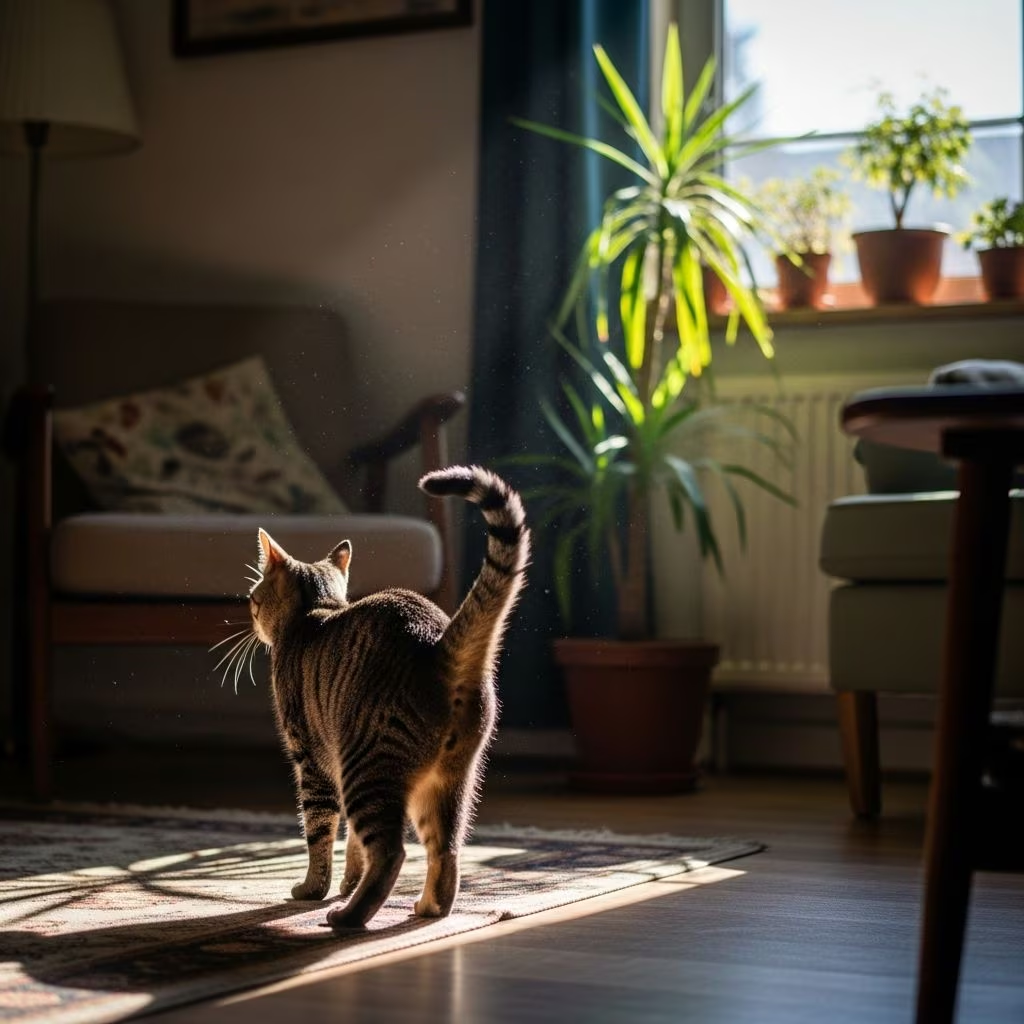
Do Cats Pee to Mark Territory? Understanding Feline Behavior
Yes, cats do pee to mark territory, and this is one of the most common behavioral concerns cat owners face. Urine marking is a natural and normal feline behavior, though it can become problematic when it occurs in your home. Understanding why cats engage in this behavior and how to distinguish it from regular elimination is essential for any cat owner seeking to maintain a harmonious household.
What Is Urine Marking in Cats?
Urine marking, also known as spraying, is the deposition of urine for communication purposes rather than elimination. This behavior is distinctly different from regular urination. When a cat marks, it typically releases a small quantity of urine onto vertical surfaces such as walls, furniture, or doorways, rather than squatting over a horizontal surface like a litter box.
The most recognizable form of urine marking is spraying, where a cat backs up to a surface with its tail held high and quivering, then releases urine in a fine mist. However, cats can also mark by urinating on horizontal surfaces, though this is less common. Additionally, cats mark territory through other methods including scratching, rubbing their face (bunting), and occasionally depositing feces in a behavior called middening.
Why Do Cats Mark Their Territory?
Cats mark their territory for several important reasons rooted in their natural instincts and psychological needs:
- Communication Through Pheromones: When a cat marks, it deposits chemical signals called pheromones that communicate with other cats. These pheromones contain personal information about the marking cat, allowing them to leave intentional messages in socially significant locations throughout their territory, particularly along commonly traveled pathways.
- Territorial Ownership: Marking signals ownership and establishes boundaries, letting other cats know that a particular area belongs to a specific feline. This is especially important in multi-cat environments or for cats that encounter other felines outdoors through windows or doors.
- Reproductive Advertisement: Intact male and female cats mark to advertise sexual receptivity and availability during their reproductive cycles. Unneutered males are particularly prone to this behavior, often marking many times per hour.
- Creating Security: Beyond territorial communication, cats use urine marking to feel secure about their world and establish a sense of familiarity in their environment. This is why cats may mark new objects brought into the home or mark more frequently when stressed.
- Scent Identification: As cats move about their territory, scent glands on their feet leave pheromone deposits that serve as identification stamps. Cats also have scent glands in their cheeks, chin, top of head, and base of tail, which they use for different types of marking.
Which Cats Are Most Likely to Mark?
While any cat can mark territory, certain populations are more prone to this behavior:
- Intact (Non-Neutered) Males: These cats are the most likely to engage in urine marking, particularly when responding to potential mates or territorial threats. Their urine has a characteristic strong, pungent “tom cat” odor due to higher hormone levels.
- Intact Females: Female cats also mark with urine, especially during heat cycles when they are seeking to attract mates.
- Neutered and Spayed Cats: While neutering and spaying significantly reduce marking behavior, approximately 10% of neutered males and 5% of spayed females continue to spray, often in response to environmental stressors or other cats in the household.
- Multi-Cat Households: Cats living with other felines are more likely to exhibit spraying behaviors as they attempt to establish territories within the home.
- Single Indoor Cats: Even cats housed alone may spray if they feel threatened or see outdoor cats through windows.
Identifying Marking Behavior vs. Litter Box Problems
It’s crucial to distinguish between normal urine marking and potential litter box elimination issues or medical problems. Here are the key differences:
| Characteristic | Urine Marking | Litter Box Elimination | Medical Issues |
|---|---|---|---|
| Location | Vertical surfaces (walls, furniture) | Litter box | Various locations |
| Posture | Backing up with raised, quivering tail | Squatting over horizontal surface | Variable |
| Quantity | Small amount | Normal urine output | May be excessive or minimal |
| Litter Box Use | Cat continues using litter box normally | Cat uses litter box regularly | May avoid litter box |
| Odor | Strong, concentrated pheromones | Normal cat urine smell | May indicate infection |
Common Triggers for Marking Behavior
Understanding what causes cats to mark helps you address the underlying issues. Common triggers include:
- Territorial Threats: The sight of an outdoor cat through a window or actual encounters with other cats can trigger marking as a response to perceived territory invasion.
- Stress and Anxiety: Environmental changes such as new furniture, visitors, moving to a new home, or changes in household routine can prompt marking behavior. Cats experiencing stress may deposit urine around the home to reassert control over their space.
- Litter Box Issues: An unclean litter box or another cat occupying the tray may cause anxious cats to mark in other areas of the home.
- Multi-Cat Conflicts: When one cat intimidates another, the bullied cat may express anxiety through urine marking.
- New Objects: Cats sometimes mark new items brought into the household, presumably to create a common scent or mask an unfamiliar one.
- Reproductive Drives: Intact males and females mark more frequently during mating seasons to advertise availability.
- Owner Scent Objects: Cats may mark items that smell like their owners, such as laundry or personal possessions, to reinforce their bond and create familiarity.
Solutions for Managing Cat Urine Marking
If your cat is marking territory in your home, several strategies can help reduce or eliminate this behavior:
Veterinary Check-Up
The first step should always be a veterinary examination. Cats can have urinary tract infections, kidney disease, diabetes, or other medical conditions that cause frequent urination. If you notice your cat repeatedly squatting with little urine emerging or see blood in the urine, seek veterinary care immediately. Once medical issues are ruled out, you can address behavioral causes.
Spaying and Neutering
Having your cat spayed or neutered significantly reduces urine marking behavior, particularly in intact males. This procedure changes the odor of the urine and reduces the hormonal motivation for marking. Even though some neutered cats continue to spray, the behavior is typically less frequent and intense.
Environmental Management
- Clean soiled areas thoroughly with enzymatic cleaners specifically designed for cat urine, which breaks down pheromones that encourage re-marking.
- Block your cat’s access to windows if outdoor cats are visible, reducing territorial triggers.
- Introduce new objects gradually and allow your cat time to adjust to environmental changes.
- Maintain a clean litter box, providing one per cat plus an additional box, placed in quiet, accessible locations away from food and water bowls.
Stress Reduction
Since stress often triggers marking, create a calm environment by:
- Providing vertical spaces (cat trees, shelves) where cats feel safe and secure
- Using pheromone diffusers or sprays designed to calm cats
- Maintaining consistent routines and introducing changes gradually
- Providing adequate playtime and mental stimulation through interactive toys and enrichment activities
Multi-Cat Household Strategies
If you have multiple cats, ensure each has its own territory with separate litter boxes, food bowls, and resting areas. Use baby gates or closed doors to create separate spaces if necessary, and supervise interactions between cats to prevent bullying that triggers marking.
Frequently Asked Questions About Cat Urine Marking
Q: Is urine marking the same as inappropriate elimination?
A: No. Urine marking is a communication behavior involving small amounts of urine on vertical surfaces, while the cat continues using the litter box normally. Inappropriate elimination involves larger quantities of urine in or outside the litter box and is often caused by medical issues or litter box dissatisfaction.
Q: Will neutering stop my male cat from spraying?
A: Neutering significantly reduces spraying in most males and changes the odor of their urine. However, approximately 10% of neutered males continue to spray, particularly if marking is also a response to stress or other cats in the environment.
Q: Can female cats spray?
A: Yes, female cats can and do spray, especially during heat cycles. Both intact and spayed females may engage in urine marking behavior, though it’s less common than in males.
Q: What’s the best way to clean up urine marking?
A: Use enzymatic cleaners specifically designed to break down cat urine and eliminate pheromones. Regular cleaners won’t fully remove the scent, which can encourage re-marking in the same spots.
Q: Can indoor cats mark territory?
A: Yes, indoor cats also mark territory and may do so to communicate with outdoor cats they see through windows or to establish territories within multi-cat households. This is normal feline behavior, though it can be problematic when it occurs on household surfaces.
Q: Is marking behavior more common in certain breeds?
A: Urine marking is not breed-specific; it’s driven by hormonal status, environmental factors, and individual personality. Any cat can mark territory, though intact males are most likely to do so.
References
- Why Do Cats Mark Their Territory And How To Stop Them? — Purina Australia. 2024. https://www.purina.com.au/cat-marking-territory.html
- Cat Behavior Problems – Marking and Spraying Behavior — VCA Animal Hospitals. 2024. https://vcahospitals.com/know-your-pet/cat-behavior-problems-marking-and-spraying-behavior
- Reducing Urine-Marking Behavior in Cats — Oregon Humane Society. 2024. https://www.oregonhumane.org/reducing-urine-marking-behavior-in-cats/
- Cat Marking Territory — PrettyLitter. 2024. https://www.prettylitter.com/blog/cat-marking-territory
- Dog & Cat Territorial Marking Behavior — Santa Barbara Humane. 2024. https://sbhumane.org/resources/territorial-marking/
- Common feline problem behaviors: Urine spraying — National Center for Biotechnology Information (NIH). 2024. https://pmc.ncbi.nlm.nih.gov/articles/PMC11373755/
- Spotting The Difference Between Urine Marking And Urinary Problems — Texas A&M College of Veterinary Medicine & Biomedical Sciences. 2024. https://vetmed.tamu.edu/news/pet-talk/urine-marking-vs-problems/



