

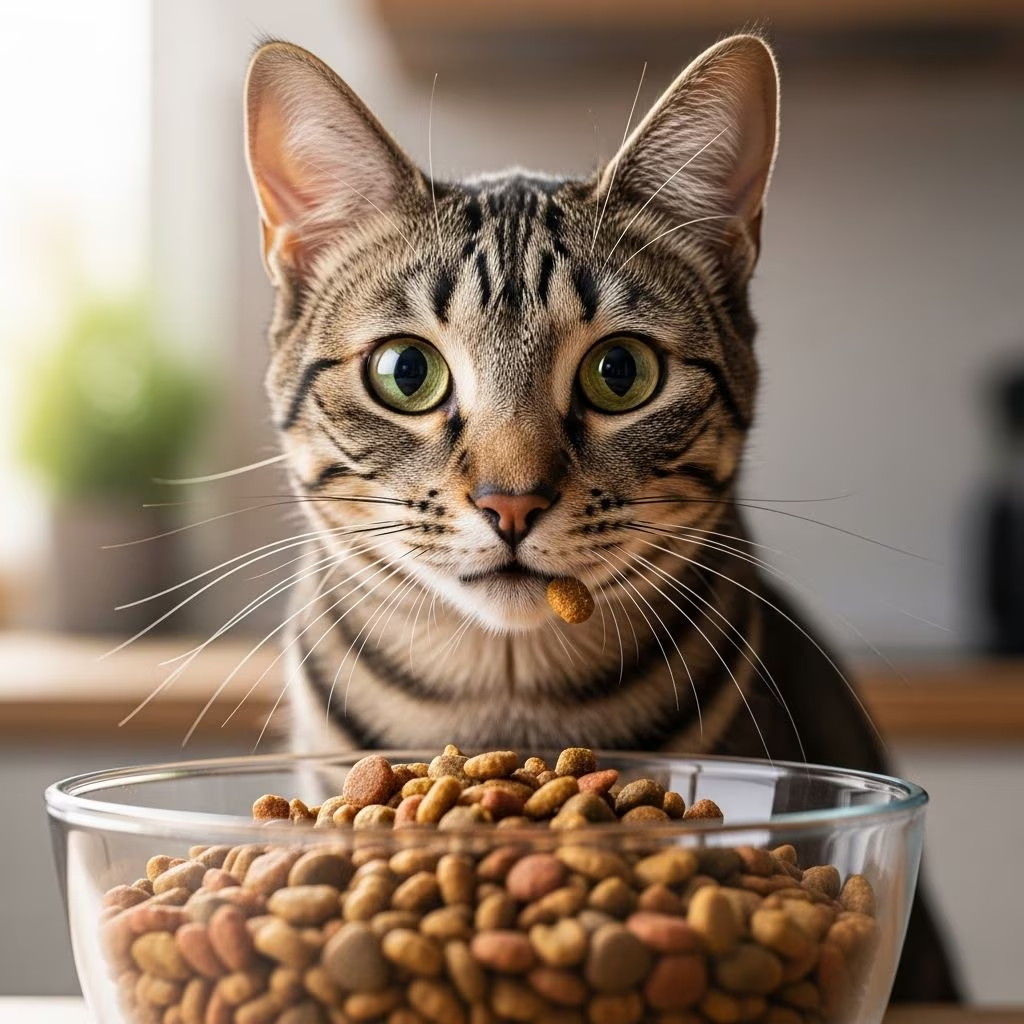
Cats often exhibit self-regulating eating habits, but many will consume more than needed when food is freely available, leading to potential weight gain and health complications. Understanding feline appetite dynamics helps pet owners implement safer feeding practices.
The Science Behind Feline Appetite Control
Felines evolved as obligate carnivores with instincts honed for intermittent hunting, not constant access to meals. In domestic settings, unlimited dry food—known as free-feeding—can disrupt this natural rhythm. Research indicates that while some cats maintain stable intake, others exceed caloric needs due to palatability or environmental cues, resulting in gradual obesity.
Key factors influencing intake include food type: high-protein, wet foods promote satiety better than carbohydrate-heavy kibble. Cats’ small stomachs limit single-meal capacity, but multiple small accesses throughout the day mimic wild patterns more effectively than ad libitum bowls.
Signs Your Cat Might Be Overeating
Monitor for these indicators of excessive consumption:
- Progressive weight gain or rounded abdomen
- Lethargy and reduced playfulness
- Difficulty grooming due to excess fat
- Vomiting after rapid gorging
- Persistent begging despite full portions
Early detection prevents escalation to conditions like diabetes or joint strain. Regular weigh-ins—aim for 8-12 pounds for average adults—provide objective tracking.
Medical Reasons for Heightened Hunger
Not all overeating stems from free access; underlying health issues often drive polyphagia (excessive hunger). Common culprits include:
| Condition | Symptoms | Prevalence |
|---|---|---|
| Hyperthyroidism | Weight loss despite appetite, thirst, hyperactivity | Common in seniors |
| Diabetes Mellitus | Increased thirst/urination, lethargy | Often linked to obesity |
| Intestinal Parasites | Diarrhea, poor coat, potbelly | Higher in kittens/outdoors |
| Exocrine Pancreatic Insufficiency | Weight loss, voluminous stools | Rare, malabsorption-related |
Consult a vet promptly if appetite surges accompany these signs. Bloodwork, fecal exams, and thyroid panels confirm diagnoses.
Behavioral Drivers of Food Obsession
Psychological factors rival medical ones in frequency. Boredom prompts stress-eating, akin to human snacking, especially in indoor-only cats lacking stimulation. Competition with other pets fosters guarding behaviors, accelerating intake.
History plays a role: strays or early-weaned kittens may hoard food from scarcity fears. Compulsive disorders, like pica (non-food ingestion), link to anxiety and can precede overeating.
Optimal Feeding Strategies to Prevent Overindulgence
Shift from free-feeding to structured meals for better control:
- Portion Precisely: Calculate daily needs (e.g., 20-25 kcal/pound body weight) and divide into 3-4 meals.
- Slow Feeders: Mazes or puzzle bowls extend eating time, reducing gulping and aiding digestion.
- High-Quality Nutrition: Prioritize protein-rich (40%+ dry matter), low-carb formulas to enhance fullness.
- Scheduled Enrichment: Align meals with play sessions to tap hunting instincts.
- Multi-Cat Homes: Separate bowls prevent rivalry.
Transition gradually over 7-10 days to avoid refusal. Wet food rotations add hydration and variety, curbing dry kibble binges.
Health Risks of Feline Obesity
Excess weight shortens lifespan by 2-3 years, amplifying risks for:
- Diabetes: Insulin resistance from fat accumulation.
- Arthritis: Joint overload causing mobility loss.
- Heart Disease: Hypertension and cardiomyopathy.
- Urinary Issues: Crystal formation in overweight males.
- Cancer: Mammary and lymphatic tumors correlate with BMI.
A 2023 veterinary consensus urges 5-10% weight reduction via 15-20% calorie cuts, monitored biweekly.
Breed and Age Variations in Eating Habits
Genetics influence tendencies:
- Siamese/Oriental Breeds: Prone to compulsions like wool-sucking evolving to overeating.
- Kittens/Pregnant Queens: Naturally ravenous for growth/lactation.
- Seniors: Hyperthyroidism spikes hunger; adjust for slower metabolism.
Tailor plans: active breeds need more calories; neutered adults 20-30% less.
DIY Weight Management Plan
Implement this 8-week protocol:
| Week | Action | Goal |
|---|---|---|
| 1-2 | Baseline weigh-in, calorie audit | Establish norms |
| 3-4 | Reduce portions 10%, add puzzles | 1% body weight loss |
| 5-6 | Incorporate low-cal treats (under 10% intake) | Sustain momentum |
| 7-8 | Reassess, vet check-up | Reach target BMI |
Track via apps or journals for consistency.
Common Myths About Cat Feeding Debunked
- Myth: Cats self-regulate perfectly. Reality: Palatable foods override instincts in 60% of cases.
- Myth: Dry food anytime prevents issues. Reality: Convenience fosters overconsumption without hydration benefits.
- Myth: Fat cats are happy. Reality: Obesity signals unmet needs, not contentment.
Interactive Feeding Innovations
Modern tools enhance engagement:
- Automatic timed dispensers for micro-meals.
- Foraging mats mimicking prey pursuit.
- App-controlled feeders rewarding tricks.
These reduce begging by distributing intake, boosting mental health.
When to Seek Professional Help
Escalate if overeating persists post-adjustments or pairs with vomiting, thirst, or fur loss. Vets may prescribe appetite modulators or diets for comorbidities.
Frequently Asked Questions
Will switching to measured meals upset my cat?
Most adapt within days; pair with affection to ease transition.
Can treats be part of a weight-loss plan?
Yes, limit to 10% calories using veggies or commercial lows.
Is wet food better for overeaters?
Absolutely—higher moisture and protein promote satiety per calorie.
How often should I deworm if parasites suspected?
Every 3 months for indoors; vet-guided for risks.
Does neutering cause overeating?
Hormone shifts slow metabolism; reduce calories 25% post-op.
References
- Increased Appetite in Cats – Symptoms, Causes, Diagnosis — WagWalking. 2024. https://wagwalking.com/cat/condition/increased-appetite
- Why Does My Cat Eat so Much (Polyphagia)? — Pet Health Network. 2023. https://www.pethealthnetwork.com/cat-health/cat-diseases-conditions-a-z/why-does-my-cat-eat-so-much-polyphagia
- Why Is My Cat Always Hungry? Causes of a Hungry Cat — PetMD. 2025. https://www.petmd.com/cat/symptoms/causes-of-hungry-cat
- Compulsive Feeding Behavior — PetPlace. 2024. https://www.petplace.com/article/cats/pet-behavior-training/compulsive-feeding-behavior
- Increased Appetite (polyphagia) in Cats — Vetster. 2025. https://vetster.com/en/symptoms/cat/increased-appetite



