

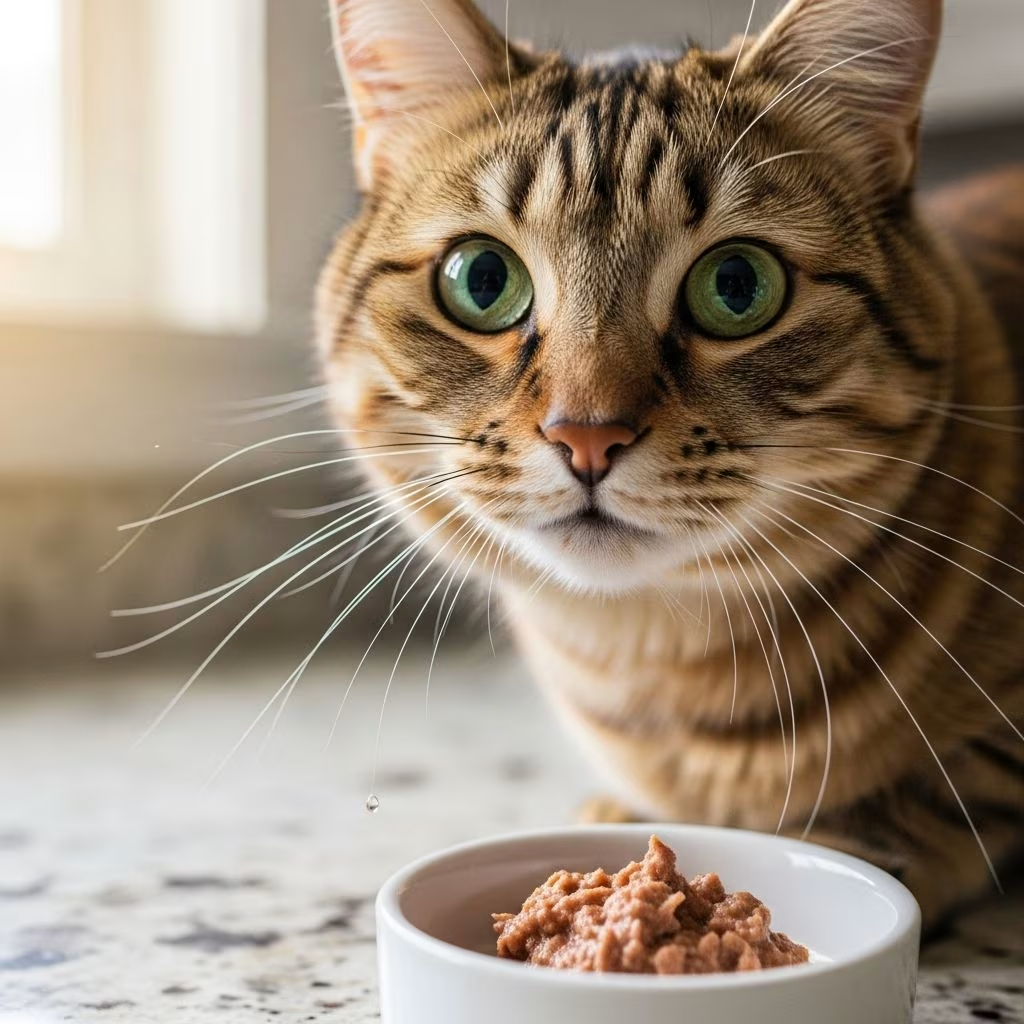
Cats do not strictly need wet food if they receive a complete and balanced diet meeting AAFCO nutritional standards, but wet food offers significant benefits for hydration, urinary health, and palatability that make it highly recommended, especially for certain cats.
What Is Wet Cat Food?
Wet cat food, also known as canned or pouch food, consists of meat, fish, or poultry in gravy, jelly, or pate form with high moisture content, typically 70-85% water. This contrasts with dry kibble, which has only 5-10% moisture. Unlike dry food processed through extrusion, wet food is cooked in the can or pouch, preserving more natural flavors and nutrients while providing a texture many cats prefer.
The high water content mimics the moisture in raw prey, which wild cats consume—prey is about 70-75% water—helping domestic cats meet hydration needs more naturally. Wet food is nutritionally complete when labeled as such by AAFCO, containing essential proteins, fats, vitamins, and minerals tailored to feline obligate carnivore requirements.
Nutritional Value of Wet Cat Food
Wet cat food provides high-quality animal-based proteins crucial for cats, who require at least 26% crude protein (dry matter basis) for adults and 30% for kittens and reproducing cats per AAFCO guidelines. Sources like chicken, turkey, beef, fish, and eggs supply essential amino acids such as taurine, arginine, and arachidonic acid, which cats cannot synthesize adequately.
Fats in wet food, including omega-3 and omega-6 fatty acids, support energy, skin health, and vitamin absorption (A, D, E, K). While carbohydrates are minimal and non-essential for cats, wet foods may include digestible sources like rice for energy without antinutritional factors from raw legumes. Vitamins such as A for vision and reproduction, D for bone health, E as an antioxidant, and B vitamins (niacin, pyridoxine) are fortified to meet precise needs.
Minerals like calcium and phosphorus for bones, iron for oxygen transport, and taurine for heart and eye health are balanced in quality wet foods. Studies show wet diets maintain lean body mass better in some cases due to higher protein density per calorie.
Hydration Benefits for Cats
Cats have a low thirst drive evolved from desert ancestry, often failing to drink enough water from bowls, leading to chronic low-grade dehydration. Dry food exacerbates this, contributing only minimal moisture, while wet food’s 75-80% water content significantly boosts overall fluid intake—cats eating wet food consume up to 2-3 times more water daily.
Adequate hydration supports kidney function, prevents urinary crystals and stones, and aids digestion. Research from veterinary sources indicates cats on wet diets have better urinary tract health, with diluted urine reducing infection and blockage risks, particularly in males.
Health Benefits of Wet Food
- Urinary Tract Health: High moisture dilutes urine, reducing struvite and oxalate crystal formation; ideal for prone breeds like Persians.
- Weight Management: Wet food’s high protein and moisture promote satiety, helping overweight cats feel full on fewer calories.
- Dental Health Debate: While dry food is marketed for teeth cleaning via crunching, evidence shows it minimally reduces tartar; brushing or dental treats are superior. Wet food doesn’t harm teeth and may reduce plaque in some studies.
- Kidney and Organ Support: Hydration eases kidney workload, beneficial for aging cats or those with chronic kidney disease.
- Digestive Health: Easier to digest for seniors or those with dental issues; softer texture suits picky eaters.
Drawbacks of Wet Cat Food
Despite benefits, wet food costs more per serving and has shorter shelf life once opened, requiring refrigeration. Some formulas are higher in phosphorus, potentially straining kidneys in diseased cats—consult a vet. Dental claims favor dry food, though overall diet matters more.
Dry vs. Wet Cat Food: A Comparison
| Aspect | Wet Food | Dry Food |
|---|---|---|
| Moisture Content | 70-85% | 5-10% |
| Hydration Support | Excellent; boosts intake | Poor; requires extra water |
| Protein Quality | High animal-based | Variable; often plant fillers |
| Calorie Density | Lower; aids weight control | Higher; overeating risk |
| Cost | Higher | Lower |
| Convenience | Needs refrigeration | Always fresh, easy storage |
| Palatability | High for most cats | Variable |
| Urinary Health | Superior | Inferior without water add-ins |
This table highlights trade-offs; many vets recommend mixing for balance.
Do All Cats Need Wet Food?
Not all cats require exclusive wet food—healthy cats thriving on quality dry plus ample water sources (fountains) can do well. However, seniors, overweight cats, urinary issue-prone ones, or dehydrated felines benefit most. Kittens need higher protein (30%+), available in both formats.
How Much Wet Food Does a Cat Need?
Calculate based on calories: average adult cat needs 200-250 kcal/day. Wet food averages 1-1.2 kcal per gram; feed 3-6 oz cans split into meals, adjusting for weight/activity. Use body condition scoring: ribs palpable without excess fat.
- 4 kg cat: ~1.5-2 cans (5.5 oz) daily.
- Monitor weight weekly; consult vet for precision.
Tips for Transitioning to Wet Food
- Introduce gradually over 7-10 days, mixing with current food.
- Warm slightly for aroma.
- Offer variety to prevent boredom.
- Ensure fresh water always available.
- Choose AAFCO-approved formulas.
Choosing the Best Wet Cat Food
- Look for named meat as first ingredient.
- AAFCO statement for life stage.
- Avoid excess fillers, by-products if possible.
- Low carb (<10% dry matter), high protein/fat.
- Grain-free if allergies present, but not necessary.
Frequently Asked Questions (FAQs)
Can cats survive on dry food alone?
Yes, if high-quality and they drink enough water, but risks of dehydration and urinary issues increase.
Is wet food better for cats than dry?
Wet food excels in hydration and urinary health; dry in convenience. A mix is often ideal.
Does wet food cause diarrhea?
Rarely; sudden changes or sensitivities do. Transition slowly.
Can I feed only wet food?
Yes, many cats thrive; monitor weight and litter output for health.
Is wet food more nutritious?
Equally nutritious if AAFCO-compliant; wet preserves more moisture-based nutrients.
How often should I feed wet food?
2-3 meals daily; portion control prevents obesity.
This comprehensive guide empowers cat owners to decide based on their pet’s needs. Always consult a veterinarian for personalized advice.
References
- Nutritional Requirements of Small Animals — Merck Veterinary Manual. 2023. https://www.merckvetmanual.com/management-and-nutrition/nutrition-small-animals/nutritional-requirements-of-small-animals
- 6 Essential Nutrients Cats Need to Thrive — Redbarn Pet Products. 2024. https://www.redbarn.com/blogs/blog/6-essential-nutrients-cats-need-to-thrive
- Cat Nutrition: Guide to Cat Food Nutrients — PetMD. 2025. https://www.petmd.com/cat/nutrition/cat-nutrition-what-makes-nutritional-cat-food
- Feeding Your Cat — Cornell University College of Veterinary Medicine. 2024. https://www.vet.cornell.edu/departments-centers-and-institutes/cornell-feline-health-center/health-information/feline-health-topics/feeding-your-cat
- Nutrition – General Feeding Guidelines for Cats — VCA Animal Hospitals. 2024. https://vcahospitals.com/know-your-pet/nutrition-feeding-guidelines-for-cats



