

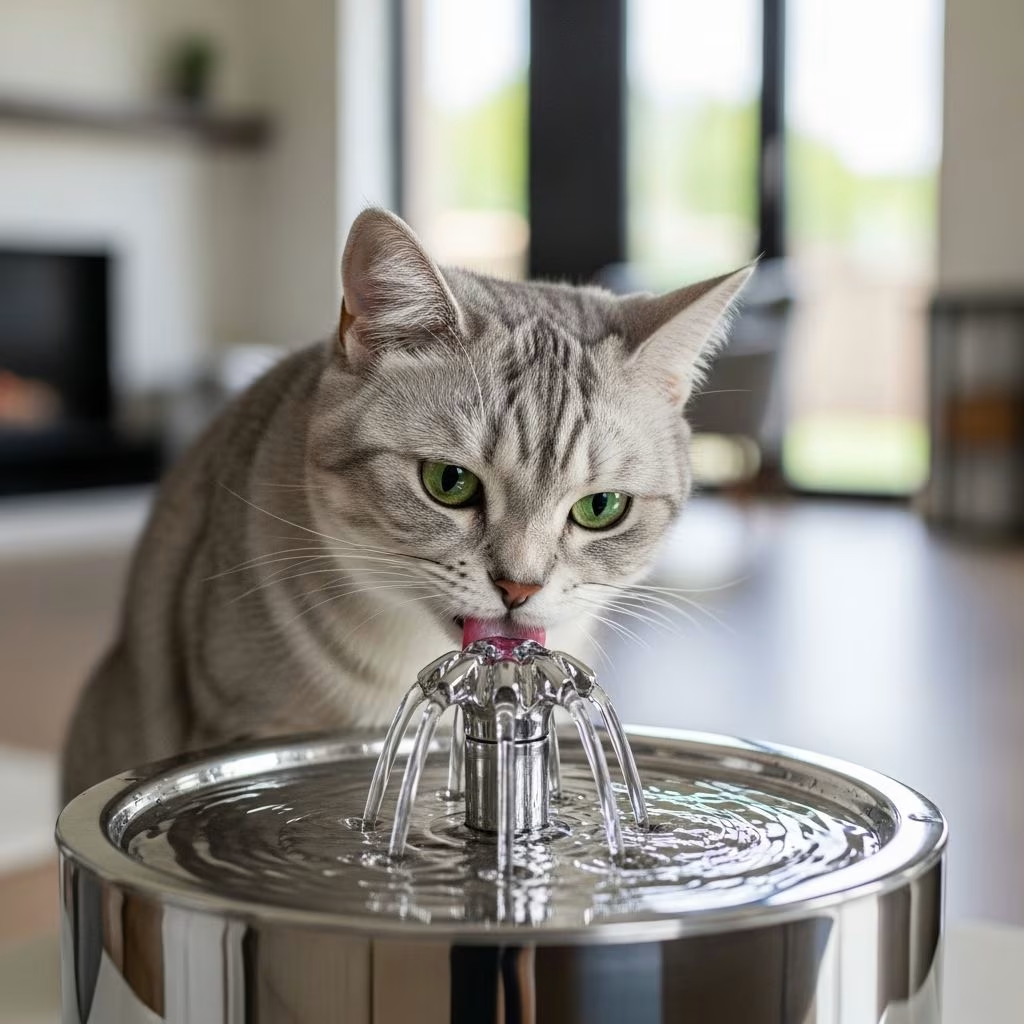
Cats often prefer running water over stagnant bowls, making water fountains a popular choice for enhancing hydration and health. These devices circulate fresh, filtered water to encourage drinking and reduce health risks like urinary tract infections.
Why Do Cats Like Running Water?
Cats instinctively gravitate toward moving water sources, a behavior rooted in their wild ancestors who avoided still water to minimize contamination risks. In the wild, standing water could harbor bacteria or parasites, so cats evolved to seek flowing streams or dripping faucets for safer hydration. Domestic cats retain this preference, often pawing at faucets or ignoring bowls.
Running water stays oxygenated and cooler, tasting fresher to felines. Stagnant bowls warm up quickly, developing off-flavors from dust, fur, or food particles that deter drinking. A fountain’s gentle flow mimics natural sources, making it more appealing and promoting consistent intake.
- Instinctual Appeal: Mimics streams cats seek in nature for clean water.
- Fresh Taste: Circulation oxygenates water, improving flavor and temperature.
- Sensory Stimulation: Sound and motion engage cats’ curiosity, turning hydration into play.
Do Cats Need Water Fountains?
Not every cat requires a fountain, but they offer significant advantages for hydration-challenged pets. Cats have a low thirst drive compared to dogs, often drinking only enough to survive rather than thrive. This can lead to chronic low-grade dehydration, contributing to kidney disease, urinary crystals, and cystitis—common issues in felines.
Bowls suffice for some, but fountains excel for picky drinkers, multi-cat homes, or seniors prone to health woes. They ensure access to appealing water 24/7, potentially increasing intake by 20-50% based on owner reports and veterinary observations.
| Water Bowl | Water Fountain |
|---|---|
| Stagnant, warms quickly | Circulating, stays cool |
| Collects debris easily | Filtered for cleanliness |
| Less appealing to cats | Encourages more drinking |
| Frequent refills needed | Large capacity, less maintenance |
Benefits of Cat Water Fountains
Cat water fountains provide multiple health and convenience perks, backed by veterinary insights into feline hydration needs.
Increased Hydration
The flowing water entices cats to drink more, crucial for preventing dehydration-related issues. Adequate hydration supports kidney function, flushes urinary tracts, and aids digestion. Dehydrated cats risk crystals forming in concentrated urine, leading to painful blockages.
Cleaner Water
Built-in filters trap hair, dust, and debris, while circulation prevents bacterial growth in stagnant pools. This results in purer water, reducing gastrointestinal upset risks from contaminants.
Less Frequent Cleaning and Refilling
Large reservoirs (up to 2+ liters) mean fewer refills, ideal for busy owners or multi-pet households. Filters simplify maintenance compared to scrubbing bowls daily.
Health Benefits
- Urinary Health: More water dilutes urine, lowering UTI and crystal risks.
- Kidney Support: Hydration prevents chronic kidney disease progression.
- Weight Management: Fuller feeling from water may curb overeating.
- Better Coat and Digestion: Improved moisture levels enhance skin and gut health.
Stress Reduction and Enrichment
The soothing trickle calms anxious cats, providing mental stimulation. Indoor felines find it entertaining, reducing boredom-related behaviors like excessive scratching.
Types of Cat Water Fountains
Fountains vary by design, capacity, and features to suit different needs.
- Ceramic: Durable, easy-clean, stylish but heavier and pricier.
- Plastic: Affordable, lightweight, but may harbor bacteria if not BPA-free.
- Stainless Steel: Hygienic, rust-resistant, dishwasher-safe.
- Glass: Non-porous, elegant, but fragile.
Choose quiet pumps for noise-sensitive cats and replaceable filters for hygiene. Smart models with apps track usage and remind for cleaning.
Best Cat Water Fountains
Top picks balance flow, capacity, and reliability:
- Petkit Eversweet 3 Pro: Wireless, quiet, app-enabled for hydration tracking.
- Cepheus 360: Multi-directional flow, 2.5L capacity, stainless steel.
- Pioneer Pet Raindrop: Elegant stainless design, gentle stream.
- Catit Flower Fountain: Budget-friendly, whimsical shape encourages drinking.
- Veken Pet Fountain: Quiet, large 3L tank, multiple flow settings.
Evaluate based on household size, cat preferences, and budget—expect $20-100 range.
How to Choose the Right Cat Water Fountain
Select based on key factors:
- Size and Capacity: Larger for multi-cats; compact for small spaces.
- Material: Steel or ceramic for sanitation.
- Noise Level: Under 40dB for quiet operation.
- Filter Quality: Carbon or multi-stage for purity.
- Warranty and Reviews: 1+ year coverage, high user ratings.
Test flow—gentle streams suit most; avoid strong jets startling timid cats. Place away from food and litter for hygiene.
How to Get Your Cat to Drink from a Water Fountain
Transition gradually:
- Introduce slowly beside the old bowl.
- Add tuna juice or broth to entice first sips.
- Run during playtime to associate with fun.
- Keep clean; cats reject dirty sources.
- Be patient—some adapt in days, others weeks.
Monitor intake; consult vets if refusal persists, signaling health issues.
Fountain Cleaning and Maintenance
Weekly deep cleans prevent buildup:
- Unplug and disassemble.
- Wash with mild soap; avoid harsh chemicals.
- Replace filters every 2-4 weeks.
- Descale monthly with vinegar solution.
- Wipe pump; check for wear.
Daily top-offs ensure fresh supply. Neglect leads to clogs or bacterial slime.
Potential Downsides of Cat Water Fountains
Despite benefits, consider:
- Cost: Initial $30+ plus ongoing filters.
- Noise: Pumps may buzz, bothering some cats/owners.
- Electricity: Needs outlet; cord safety for chewers.
- Maintenance: More involved than bowls.
Pros outweigh cons for most, especially health-focused owners.
Frequently Asked Questions (FAQs)
Are cat water fountains worth it?
Yes, they boost hydration and health, preventing common feline issues like UTIs.
Do cats really need a water fountain?
Not strictly, but they encourage vital drinking in low-thirst cats.
Why won’t my cat drink from the fountain?
Try flavoring water, cleaning thoroughly, or adjusting flow; vet check if ongoing.
How often should I clean a cat fountain?
Wipe daily, deep clean weekly, replace filters bi-weekly.
Can multiple cats share a fountain?
Yes, opt for 2L+ capacity models.
References
- Buying a Cat Water Fountain? Here’s What to Know — Zoetis Petcare. 2023-05-15. https://www.zoetispetcare.com/blog/article/buying-cat-water-fountain
- Why a Cat Water Fountain is the Best Investment for Your Feline Companion — Sirius Vets. 2024-02-10. https://siriusvets.com/why-a-cat-water-fountain-is-the-best-investment-for-your-feline-companion/
- Pros and Cons of Pet Water Fountains — Pet Assure. 2023-08-22. https://www.petassure.com/maxscorner/pros-and-cons-pet-water-fountain/
- The Advantages of Using a Pet Drinking Fountain Over a Water Bowl — We Know Pets. 2024-01-05. https://www.weknowpets.com.au/blogs/news/the-advantages-of-using-a-pet-drinking-fountain-over-a-water-bowl
- Are Cat Water Fountains Worth It? Pros, Cons, and Hydration Tips — Cheerble. 2023-11-12. https://cheerble.com/blogs/cheerble-blog/cat-water-fountain-benefits-guide



