

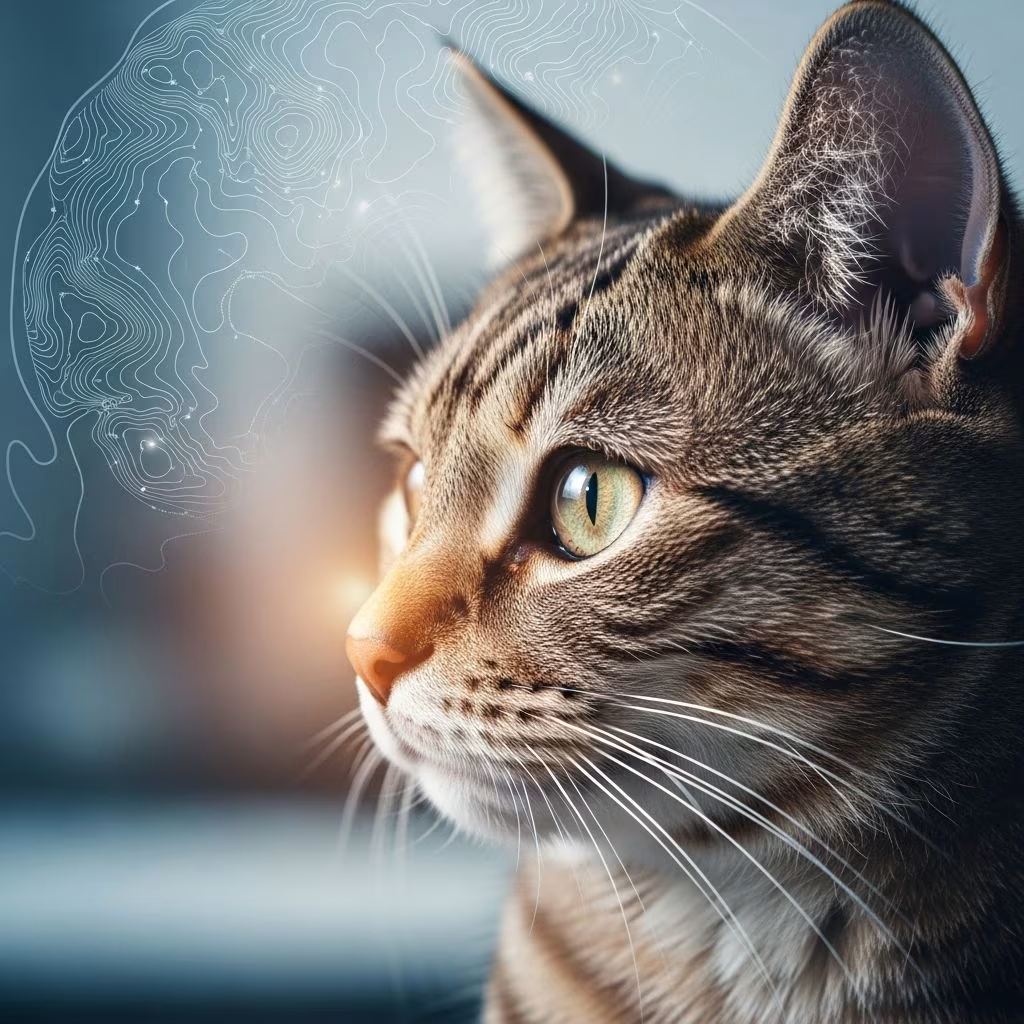
Veterinary neurologists are specialized veterinarians trained to diagnose and treat disorders of the feline nervous system, including the brain, spinal cord, nerves, and muscles. While most cats never require such care, certain symptoms warrant referral to these experts for advanced diagnostics and treatments to improve quality of life.
What Is Veterinary Neurology for Cats?
Veterinary neurology focuses on diseases affecting a cat’s central and peripheral nervous systems. Board-certified veterinary neurologists undergo rigorous training beyond general veterinary school, including internships, residencies, and exams by the American College of Veterinary Internal Medicine (ACVIM). Many also specialize in neurosurgery.
This specialty addresses complex conditions that general practitioners may identify but cannot fully manage due to the need for advanced imaging like MRI or CT scans and specialized interventions. For cats, neurology is crucial because they often hide pain or neurological deficits, making early detection challenging.
Common Neurological Disorders in Cats
Cats can suffer from various neurological issues, ranging from congenital to acquired. Key disorders include:
- Seizures/Epilepsy: Recurrent convulsions due to abnormal brain activity, often idiopathic or linked to toxins, infections, or tumors.
- Intervertebral Disc Disease (IVDD): Herniated discs causing spinal pain, weakness, or paralysis, more common in certain breeds.
- Vestibular Disease: Balance disorders leading to head tilt, circling, or nystagmus (rapid eye movements), caused by inner ear infections, tumors, or idiopathic factors.
- Brain Tumors: Meningiomas or gliomas causing seizures, behavioral changes, or ataxia.
- Inflammatory/ Infectious Conditions: Meningitis, encephalitis from viruses like FIP, or parasites.
- Trauma: Head or spinal injuries from falls or accidents leading to paralysis or cognitive issues.
- Metabolic Disorders: Toxins, kidney disease, hypertension, or diabetes impacting the nervous system.
These conditions can mimic other illnesses, underscoring the need for specialist evaluation.
Signs Your Cat Needs a Veterinary Neurologist
Recognizing neurological symptoms early is vital since cats mask illness. Contact your vet immediately if you observe:
- Seizures or tremors
- Abnormal gait, dragging limbs, or paralysis
- Spinal or neck pain (crying out, reluctance to jump)
- Loss of balance, falling, or head tilt
- Cognitive changes: confusion, disorientation, or altered behavior
- Weakness, especially in hind legs
- Abnormal eye movements or blindness
- Incontinence or difficulty urinating/defecating.
These signs indicate central nervous system involvement, prompting referral to a neurologist.
When Should You See a Veterinary Neurologist for Your Cat?
See a neurologist when your primary vet suspects a neurological issue after initial exams or if symptoms persist despite treatment. Referrals occur for:
- Complex diagnostics requiring MRI, CT, or cerebrospinal fluid analysis
- Surgical needs like tumor removal or disc herniation repair
- Refractory seizures unresponsive to standard medications
- Progressive weakness or unexplained pain.
Early intervention improves prognosis; delays can lead to permanent damage. Specialists offer advanced tools unavailable at general clinics.
How Do Veterinary Neurologists Diagnose Cats?
Diagnosis begins with a comprehensive neurological exam assessing:
- Gait, posture, and coordination
- Cranial nerves (vision, pupil response, facial symmetry)
- Reflexes, pain sensation, and proprioception (limb awareness)
- Mentation and behavior.
Further tests include:
| Test | Purpose |
|---|---|
| MRI/CT Scans | Visualize brain/spinal cord lesions, tumors, inflammation |
| Cerebrospinal Fluid (CSF) Tap | Detect infections, inflammation |
| Electrodiagnostics (EEG, EMG) | Assess electrical activity in brain/nerves |
| Bloodwork/Urinalysis | Rule out metabolic causes |
| X-rays/Myelogram | Evaluate spinal structure |
The neurologist localizes the lesion (brain, spinal cord, etc.) to guide targeted testing.
What Are Treatments for Feline Neurological Disorders?
Treatments vary by diagnosis:
- Medications: Anti-seizure drugs (phenobarbital, levetiracetam), pain relievers, anti-inflammatories.
- Surgery: For tumors, herniated discs, or hydrocephalus shunts.
- Supportive Care: Physical therapy, acupuncture, or rehab for mobility.
- Radiation/Chemotherapy: For inoperable tumors.
Many neurologists provide both medical and surgical options, focusing on quality of life. Prognosis depends on condition severity and timeliness.
Can Neurological Disorders in Cats Be Prevented?
While not all are preventable, strategies include:
- Regular vet check-ups for early detection of hypertension, kidney disease, or diabetes.
- Up-to-date vaccinations and parasite preventives to avoid infections.
- Avoiding toxins (certain flea products toxic to cats, human meds).
- Preventing trauma via safe environments (no high falls, secure outdoors).
- Breed-specific screening for genetic predispositions.
Proactive care minimizes risks.
Frequently Asked Questions (FAQs)
What does a veterinary neurologist do for cats?
A veterinary neurologist performs detailed exams, advanced imaging, and provides medical/surgical treatments for nervous system disorders.
How much does a cat neurologist cost?
Consults range $300–$800; MRI/CT $1,500–$3,000; surgery $3,000–$10,000+, varying by location and complexity.
Can cats recover from neurological problems?
Many do with prompt specialist care; recovery depends on the underlying cause.
Do all vets refer to neurologists?
No, but those suspecting neurology issues will for best outcomes.
Is neurology covered by pet insurance?
Often yes, for specialists; check policy for pre-authorization.
References
- What is veterinary neurology? | Tucson — VSCOT. 2021-04-05. https://www.vscot.com/site/blog/2021/04/05/what-is-veterinary-neurology
- Neurological Disorders in Cats — PetMD. Accessed 2026. https://www.petmd.com/cat/conditions/neurological-disorders-cats
- Neurology | VCA Animal Specialty Group — VCA Hospitals. Accessed 2026. https://vcahospitals.com/animal-specialty-group/departments/neurology
- Neurology | Houston Cat Hospital — Houston Cat Hospital. Accessed 2026. https://www.houstoncathospital.com/services/neurology
- Veterinary Neurology – VetSpecialists.com — VetSpecialists. Accessed 2026. https://www.vetspecialists.com/specialties/neurology
- Veterinary Neurology in San Francisco and the Bay Area — Remedy Vets. Accessed 2026. https://www.remedyvets.com/neurology
- The 4 Most Common Reasons Pets Visit Our Neurology Service — AERC. Accessed 2026. https://aercmn.com/the-4-most-common-reasons-pets-visit-our-neurology-service/



