

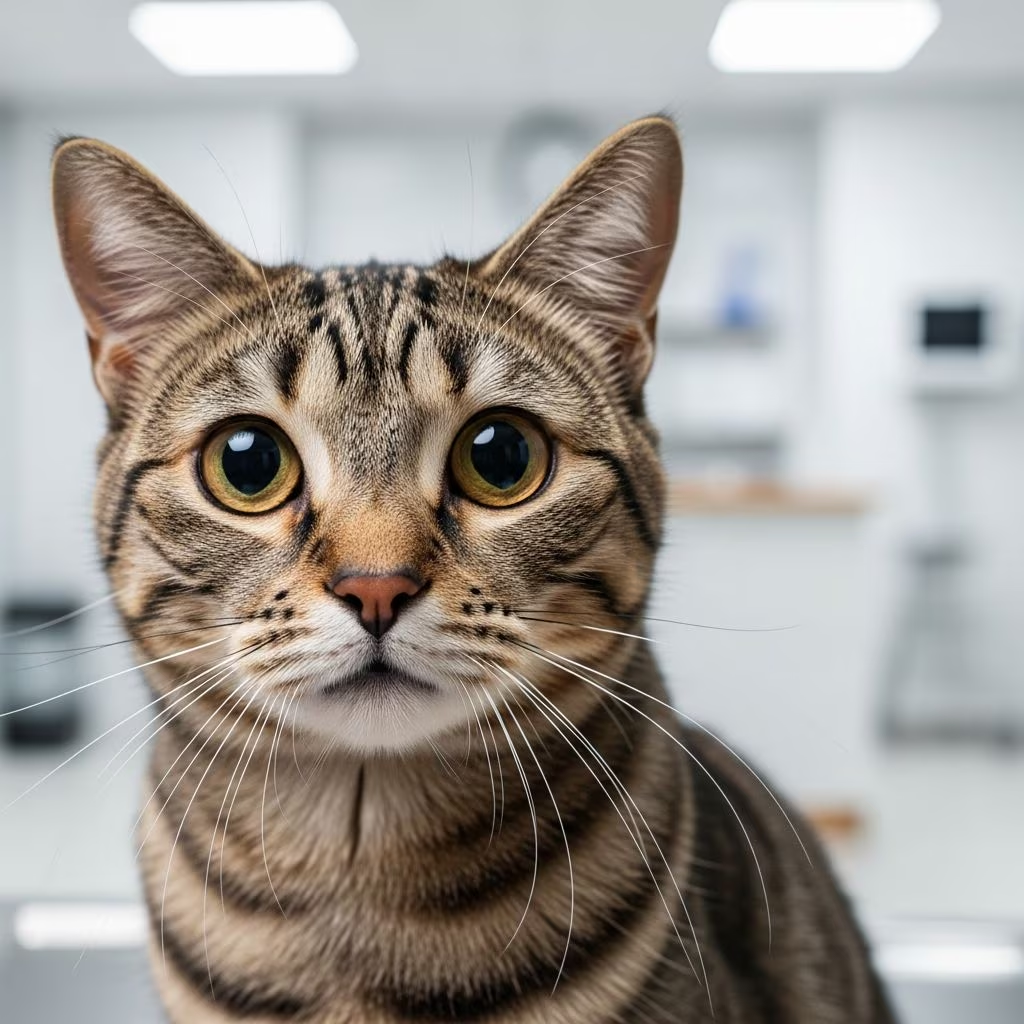
Cats generally need to fast before surgery to minimize risks associated with anesthesia, such as regurgitation and aspiration pneumonia. This standard practice empties the stomach, ensuring safer procedures for routine surgeries like spaying, neutering, dental cleanings, and tumor removals.
Why Do Cats Need to Fast Before Surgery?
Fasting is a critical pre-operative step for cats undergoing anesthesia because it reduces the chance of vomiting or regurgitation during surgery. When a cat has food in its stomach, anesthesia can relax the esophageal sphincter, allowing stomach contents to enter the mouth or lungs. This can cause aspiration pneumonia, a severe condition involving lung inflammation and infection from inhaled gastrointestinal material.
Cats are particularly prone to gastroesophageal reflux (GER) under anesthesia, where stomach acid or food backs up into the esophagus. Without fasting, even small amounts of food can lead to complications like esophageal strictures from acid burns and scar tissue formation. Veterinary guidelines emphasize that an empty stomach allows for smoother intubation and faster recovery, preventing life-threatening issues.
Historical practices evolved from human medicine but are tailored for felines, considering their unique metabolism. Cats process food differently than dogs, often requiring precise timing to avoid hypoglycemia in kittens or obese cats with slower gastric emptying.
How Long Should Cats Fast Before Surgery?
Most veterinarians recommend withholding food from cats for 8 to 12 hours before surgery. This duration allows the stomach to empty fully, accounting for variables like meal size, cat age, and health status.
- Standard adult cats: No food after midnight for morning surgery, typically 8-12 hours.
- Kittens and puppies: Shorter fasts of 1-2 hours to prevent low blood sugar.
- Emergency surgeries: Vets assess gastric emptying, often waiting 4+ hours if possible.
- Dental or routine procedures: Same 8-12 hour rule applies due to general anesthesia.
Always follow your vet’s specific instructions, as protocols vary by clinic, cat’s condition, and surgery type. Overnight fasting is practical for most owners, aligning with typical morning appointments.
Can Cats Drink Water Before Surgery?
Water is usually permitted until 2-4 hours before surgery, unlike food. Hydration supports organ function and reduces stress without significantly delaying gastric emptying, as liquids clear faster than solids.
Some clinics restrict water entirely 12 hours prior to avoid interference with intubation, but this is less common for cats. Removing food bowls at night while leaving water accessible simplifies preparation. Confirm with your vet, as policies differ—over-hydration can still pose regurgitation risks.
What Happens If My Cat Eats Before Surgery?
If your cat eats shortly before surgery, the procedure may be postponed to allow safe gastric emptying, typically 8-12 hours after the last meal. Emergency cases might proceed with heightened risks or protective medications like anti-emetics.
Accidental eating increases aspiration chances, potentially leading to pneumonia or esophageal damage. Inform your vet immediately—they may adjust anesthesia protocols or recommend rescheduling to prioritize safety. Prevention is key: secure food sources and other pets’ meals.
Exceptions to Fasting for Cats
Not all cats follow standard fasting; exceptions include:
- Diabetic cats: May need adjusted feeding or insulin to avoid hypoglycemia. Vets often provide specialized plans.
- Kittens under 6 months: Brief fasts (1-3 hours) with milk or gruel allowed closer to surgery.
- Medicated cats: Oral meds can be given with small amounts of wet food or paste.
- Obese or geriatric cats: Shorter fasts if gastric motility is slow.
Pregnant or nursing queens might have modified rules. Pre-surgical bloodwork helps identify needs. The American Animal Hospital Association (AAHA) guidelines support flexible fasting based on individual risk assessments.
Other Pre-Surgery Preparations for Cats
Beyond fasting, comprehensive prep ensures success:
- Health screenings: Blood tests check liver, kidney function, and clotting to flag anesthesia risks.
- Medication review: Adjust ongoing meds; continue most unless advised otherwise.
- Stress reduction: Quiet environment, pheromone diffusers, and calm handling minimize cortisol spikes.
- Grooming: Trim nails, clean surgical sites if instructed.
- Timing: Arrive on schedule for pre-op exams and IV placement.
Exercise your cat lightly the day before to promote digestion without exhaustion.
Post-Surgery Care for Cats
Recovery starts immediately post-op. Key steps include:
- Monitoring: Watch for lethargy, vomiting, or incision swelling. Normal grogginess lasts 12-24 hours.
- Feeding: Offer small, bland meals (e.g., boiled chicken/rice) once alert; resume normal diet gradually.
- Pain management: Administer prescribed meds; cats hide pain well.
- Rest: Confine to a quiet crate or room; prevent jumping.
- Incision care: E-collar to stop licking; clean gently if directed.
Contact your vet for fever, refusal to eat beyond 48 hours, or discharge. Full recovery varies: 7-14 days for spays, longer for complex surgeries.
Types of Surgeries Requiring Fasting in Cats
| Surgery Type | Fasting Duration | Common Reasons |
|---|---|---|
| Spay/Neuter | 8-12 hours | Reproductive organs; routine anesthesia. |
| Dental Cleaning | 8-12 hours | General anesthesia for tooth scaling. |
| Tumor Removal | 8-12 hours | Biopsy or excision under sedation. |
| Growth/Lump Removal | 8-12 hours | Skin or subcutaneous masses. |
| Foreign Body Surgery | Variable/emergency | Intestinal blockages; may shorten fast. |
All general anesthesia cases mandate fasting; local anesthetics rarely do.
Frequently Asked Questions (FAQs)
What if my cat is a picky eater and fasting stresses them?
Stick to vet guidelines; stress is temporary. Use distractions like toys. Kittens or diabetics get exceptions.
Is 12-hour fasting safe for all cats?
Generally yes for adults, but confirm for seniors, obese, or ill cats. Excess fasting risks esophageal issues.
Can I give treats or meds during fasting?
No treats; meds ok with tiny food if vet-approved.
How do I prevent my cat from eating others’ food?
Separate pets, remove all bowls at fasting start.
When can my cat eat after surgery?
Small amounts 4-6 hours post-op if tolerated; monitor for nausea.
References
- How Long Should a Cat Not Eat Before Surgery – Vets24 — Vets24. 2023. https://vets24.ae/blog/how-long-should-a-cat-not-eat-before-surgery-and-why-it-matters/
- Pet Fasting Before Surgery: All Your Questions Answered — Paws and More Vet. 2023. https://pawsandmorevet.com.au/how-long-should-a-dog-fast-before-surgery/
- Preparing Your Pet for Anesthesia and Surgery — Standiford Veterinary. 2023. https://standifordveterinary.com/services/cats/blog/preparing-your-pet-anesthesia-and-surgery.html
- What To Know About Your Cat’s Surgery Pre and Post-Op Care — MyGavet. 2023. https://www.mygavet.com/services/cats/cat-surgery
- Caring For Your Cat Before & After Surgery — Kindred Care Pet. 2023. https://www.kindredcarepet.net/caring-for-your-cat-before-and-after-surgery
- Guide To Pre and Post Surgery Care For Cats — Cedar Mill Vet. 2022-09-23. https://www.cedarmillvet.com/site/blog/2022/09/23/guide-to-pre-and-post-surgery-care-for-cats
- Fasting & Treatment for Dogs & Cats Before Anesthesia — AAHA. 2020. https://www.aaha.org/wp-content/uploads/globalassets/02-guidelines/2020-anesthesia/aahaanesthesiaguidelines_fastingandtreatmentrecommendations.pdf



