

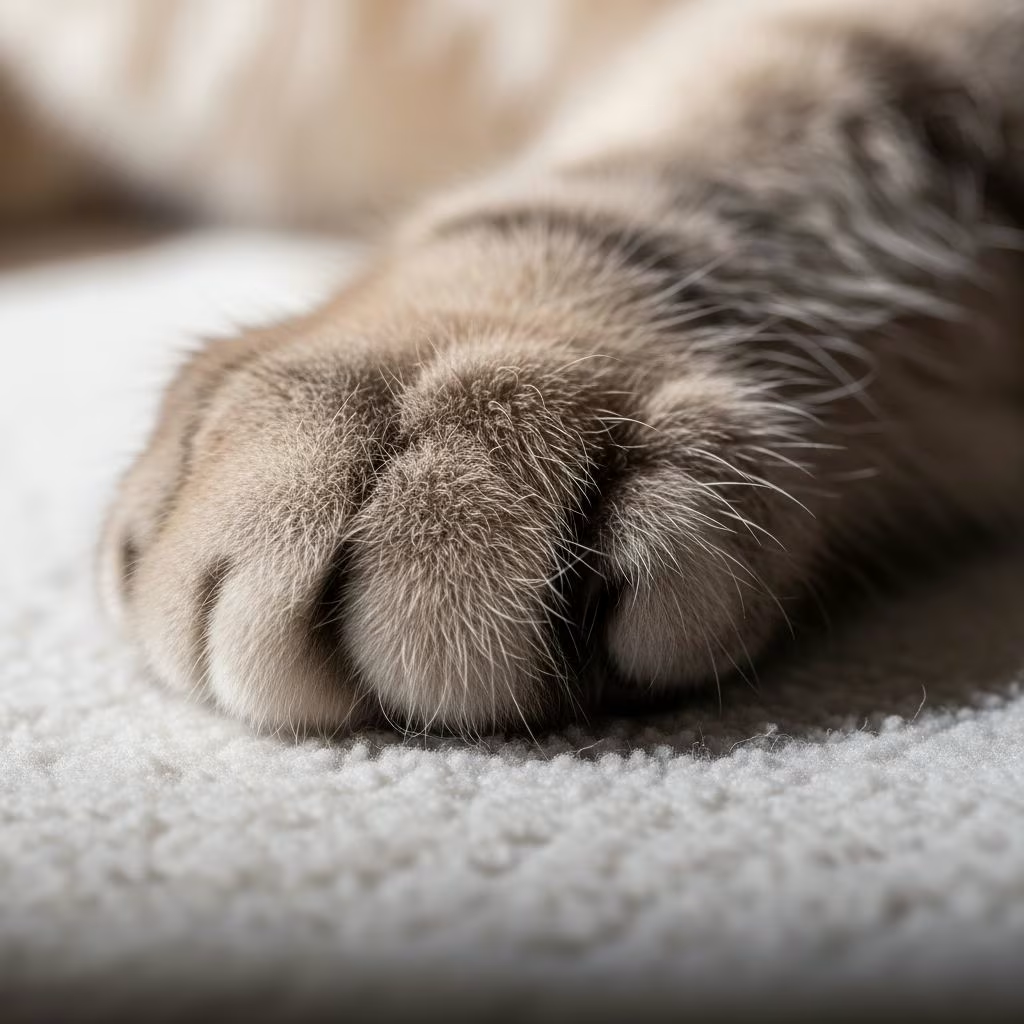
Cats are meticulous groomers, but paw fur—often called toe tufts—can sometimes require human intervention. While most cats manage fine without trimming, certain situations like litter tracking, slipping, or matting make it necessary. This comprehensive guide covers everything from when to trim, how to do it safely, to overall paw health maintenance.
To Trim or Not to Trim Cat Paw Fur?
In most cases, **cats do not need their paw fur trimmed**. These tufts serve natural purposes, including protection from cold, debris, and aiding balance on slippery surfaces. Groomers may trim for aesthetics, creating a neater look, but it’s not essential for health.
Long-haired breeds like Maine Coons often have prominent toe tufts prized in breed standards. Cat show enthusiasts even accentuate them for fluffiness. However, practicality matters: if tufts cause issues, trimming is advisable.
When Should You Trim Cat Paw Fur?
Trim only if problems arise. Key indicators include:
- Litter and dirt tracking: Tufts trap litter, spreading it around the house. Regular cleaning helps, but persistent issues warrant a trim.
- Irritation or discomfort: If your cat scratches, bites, or licks paws excessively, long fur may be irritating the skin.
- Slipping on surfaces: Excessive fur under pads can cause instability on hard floors, especially in older cats or those with mobility issues.
- Matting: Long hair mats easily, pulling skin, hindering walking, and risking infection.
For short-haired cats, trimming is rarely needed. Focus on observation: healthy paws have clean, soft tufts without debris or redness.
How to Safely Trim Your Cat’s Paw Fur
Trimming at home is feasible with patience, but professional groomers are ideal for squirmy cats. Always prioritize safety to avoid cuts or stress.
Tools Needed
- Cat-specific clippers (safer, quieter than human ones).
- Blunt-tipped scissors for precision.
- Treats and an assistant to hold the cat gently.
- Styptic powder for accidental nicks.
Step-by-Step Trimming Guide
- Prepare the environment: Choose a calm time, like post-meal when relaxed. Use non-slip surface; have treats ready.
- Restrain gently: Assistant holds cat comfortably, exposing one paw at a time. Never force—stop if stressed.
- Inspect first: Part fur to check pads for issues. Comb out debris.
- Trim fur:
- With clippers: Glide gently between toes, avoiding skin. Start with longest tufts.
- With scissors: Hold fur between fingers as a guard against pads. Snip parallel to pad, leaving 1-2mm for protection.
- Check symmetry: Trim all paws evenly for balance.
- Reward and monitor: Praise lavishly. Watch for limping or irritation post-trim.
Frequency: Every 4-6 weeks for problem cases; less otherwise. Introduce kittens early for tolerance.
Essential Cat Paw Care Beyond Trimming
Paw health is crucial—cats rely on paws for navigation, hunting, and comfort. Routine care prevents issues.
1. Regular Cleaning
Wipe paws weekly with pet-safe wipes or damp cloth to remove litter, salt, or chemicals. Dry thoroughly to prevent fungal growth. For tufts, gently fluff with fingers.
2. Trim Claws Regularly
Unlike paw fur, **claw trimming is often necessary**. Overgrown nails curl into pads, causing pain. Benefits:
- Prevents furniture damage and scratches.
- Reduces injury risk during play.
- Aids mobility.
Use guillotine-style clippers. Clip 2-3mm tips, avoiding the pink quick (visible in light claws). Trim biweekly; start young.
3. Paw Pad Massage and Moisturizing
Massage pads daily for circulation, whisker-like sensitivity. Apply vet-approved balm for cracked pads from heat, cold, or litter.
4. Check for Injuries and Sores
During cleaning, inspect for:
- Cuts, punctures from litter or streets.
- Sores, swelling, rashes.
- Foreign objects like thorns.
- Pododermatitis (pad inflammation)—vet if persistent.
Cats hide pain; limping or reluctance to jump signals issues.
5. Protect Against Extreme Temperatures and Harmful Substances
Paws burn on hot pavement (>85°F/29°C) or frostbite in cold (<32°F/0°C). Avoid chemicals like antifreeze, de-icers, cleaners—cats lick paws, ingesting toxins.
- Winter: Booties or paw wax.
- Summer: Walk on grass; test surfaces.
- Indoors: Low-dust litter minimizes irritation.
Benefits of Regular Cat Paw Grooming
Beyond trimming, paw care enhances overall health:
| Benefit | Description |
|---|---|
| Improved Hygiene | Removes debris, reduces bacteria/allergens. |
| Better Traction | Prevents slips, supports aging cats. |
| Early Detection | Spots tumors, infections early. |
| Bonding | Touch increases oxytocin, lowers stress. |
| Reduced Shedding | Minimizes tracked fur indoors. |
Common Mistakes to Avoid
- Over-trimming: Leaves pads vulnerable; blunt whisker ends reduce sensitivity.
- Rushing: Causes stress, accidents—patience key.
- Ignoring breed differences: Short-hairs rarely need trims.
- No post-care: Monitor for 24 hours.
Professional vs. DIY Grooming
DIY suits calm cats; pros handle fearful ones with sedation options. Certified cat groomers understand tufts’ value. Cost: $20-50/session.
Frequently Asked Questions (FAQs)
What are cat toe tufts for?
Toe tufts protect pads from cold/heat, aid grip, and act as mini-whiskers for navigation.
Is it safe to trim paw fur short?
Yes, if needed, but leave some length for protection. Avoid razors; use clippers/scissors.
How often should I check my cat’s paws?
Weekly, plus after outdoor exposure or litter changes.
My cat limps after trimming— what to do?
Check for cuts; apply styptic. If persists, see vet.
Do all cats need paw balm?
Only if pads crack; use vet-recommended products.
Conclusion
Cat paw fur trimming isn’t routine but solves specific problems like tracking or matting. Prioritize gentle care, regular checks, and protection from hazards for happy, healthy paws. Consult vets for persistent issues—your cat’s feet deserve the best.
References
- Do Cats Need Their Paw Fur Trimmed? Vet-Reviewed Tips, Facts — Catster. 2023-10-15. https://www.catster.com/cat-health-care/do-cats-need-their-paw-fur-trimmed/
- To Trim or Not to Trim: Understanding Cat Paw Hair — Cat’s Pajamas Grooming. 2024-05-20. https://catspajamasgrooming.ca/do-you-need-to-trim-cat-paw-hair/
- Practical Tips For Cat Paw Care — Multipet. 2024-02-10. https://www.multipet.com/practical-tips-for-cat-paw-care/
- Why Grooming Your Cat is Essential for Their Health and Happiness — Passion for Paws. 2023-11-05. https://www.passionfurpaws.pet/blog/why-grooming-your-cat-is-essential-for-their-health-and-happiness



