

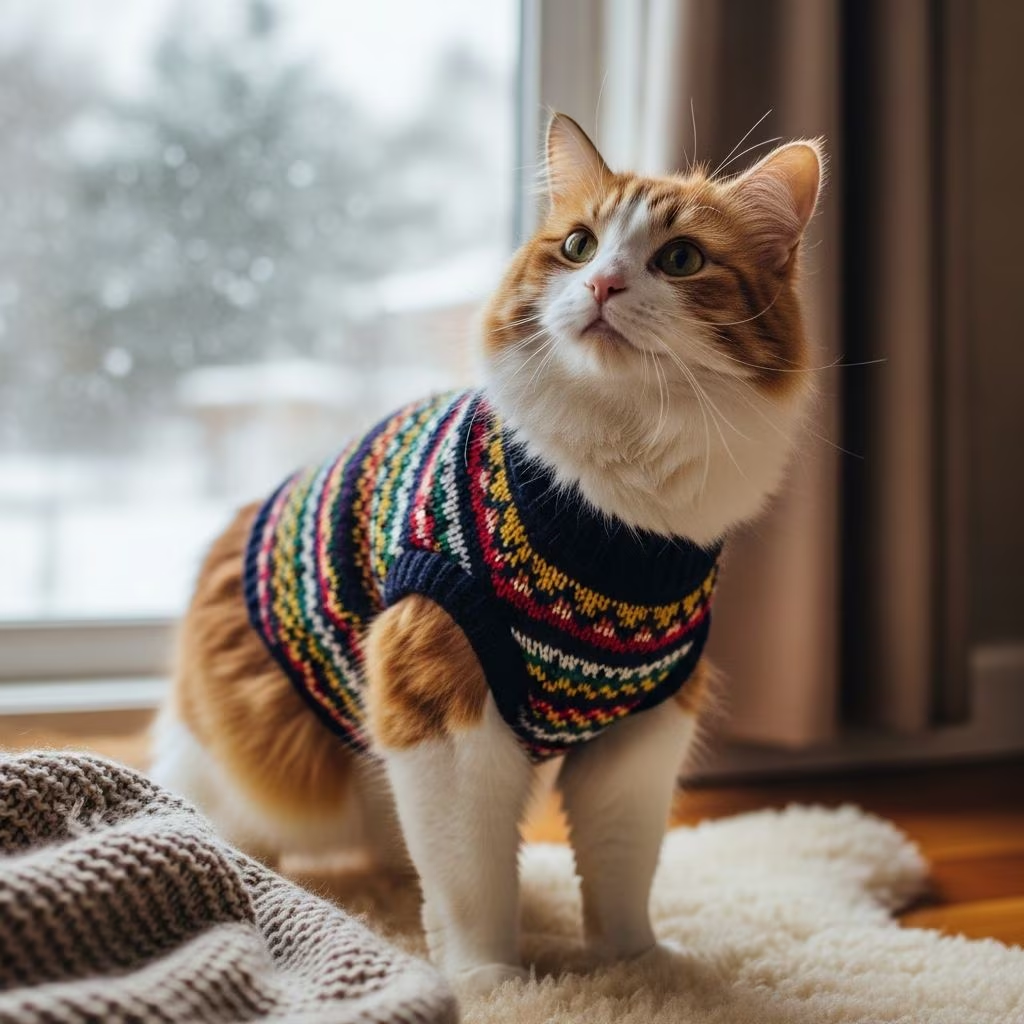
Seeing a cat dressed in a tiny sweater can melt hearts and spark endless social media shares, but does your feline friend actually need one? Most cats do not require sweaters because their thick fur provides excellent insulation, and the majority dislike the confinement and restriction they impose. This article delves into feline thermoregulation, the risks involved, exceptions for specific cats, and practical advice to keep your pet comfortable without clothing.
Do Cats Need Sweaters?
Cats are remarkably self-sufficient when it comes to staying warm. Their multi-layered fur—consisting of a dense undercoat and longer guard hairs—traps air for insulation, while their natural behaviors like curling up or seeking sunny spots help regulate body temperature. Even in cold climates, healthy cats with fur rarely need extra layers, as sweaters can interfere with this process by trapping heat unevenly or blocking moisture evaporation from the skin.
Indoor cats, in particular, thrive in stable home environments around 68-77°F (20-25°C), which aligns with their preferred range. Outdoor cats acclimate by growing thicker winter coats, a process that could be disrupted by clothing, potentially slowing fur growth. Vets emphasize that if you’re comfortable in light clothing, your cat likely is too—only intervene if temperatures drop below freezing and shelter is inadequate.
- Natural Insulation: Fur layers provide superior warmth than synthetic fabrics.
- Temperature Regulation: Cats shiver, pant, or groom to cool down; sweaters hinder these.
- Climate Adaptation: Healthy cats adjust fur thickness seasonally without aid.
How Do Cats Regulate Their Body Temperature?
Feline thermoregulation is a sophisticated system evolved over millennia. Cats maintain a core temperature of 100.5-102.5°F (38-39.2°C) through several mechanisms. Their fur acts as a barrier, reflecting heat and retaining warmth. Arrector pili muscles raise fur (piloerection) to create an insulating air pocket during cold snaps.
Behaviorally, cats seek warmth by lying on radiators, burrowing into blankets, or huddling. They cool via panting, spreading saliva during grooming (evaporative cooling), or exposing less insulated areas like ears and paws. Sweaters disrupt this by covering the body uniformly, potentially leading to overheating indoors where ambient heat builds up.
For outdoor cats, wet fur loses insulation if soaked, but a damp sweater worsens this by holding moisture against the skin, accelerating heat loss. Kittens, seniors, and ill cats may struggle more due to immature or weakened systems, but clothing isn’t the first solution—provide heated beds instead.
Do Cats Like Wearing Sweaters?
The short answer: rarely. Cats value freedom of movement and sensory input from their fur, which detects subtle air currents and textures. Sweaters feel restrictive, itchy, or hot, often triggering grooming, rubbing, or frantic removal attempts. Signs of discomfort include dilated pupils, flattened ears, tail thrashing, or vocalizing—clear indicators to remove it immediately.
Some cats tolerate brief wear for photos, but prolonged use causes stress, elevating cortisol levels and potentially leading to anxiety or aggression. A study on feline stress responses notes clothing mimics restraint, similar to vet visits. Patient introduction—starting with 5-minute sessions and rewarding calm behavior—may help a few adaptable cats, but most prefer nudity.
| Sign of Liking | Sign of Disliking |
|---|---|
| Relaxed posture, purring, normal activity | Scratching at sweater, hiding, aggression |
| Voluntarily keeps it on | Panting, overheating, escape attempts |
Potential Risks and Dangers of Cat Sweaters
While adorable, sweaters pose real hazards. Overheating is primary: cats can’t sweat through fur efficiently, and added layers trap heat, risking heatstroke with symptoms like lethargy, drooling, or rapid breathing. Restricted mobility leads to accidents—snagging on furniture, branches, or doorways, causing falls, cuts, or strangulation.
Ill-fitting designs with loose strings, buttons, or zippers invite ingestion, leading to intestinal blockages requiring surgery. Stress from confinement suppresses appetite or grooming, compounding issues. For active cats, impeded jumping or running increases injury risk, like sprains or fractures. Never leave a dressed cat unsupervised, especially outdoors.
- Overheating: Symptoms appear quickly in warm rooms.
- Choking Hazards: Small parts are tempting to chew.
- Movement Impairment: Alters gait, raising fall risks.
- Stress-Induced Illness: Long-term wear affects health.
Exceptions: When Might Cats Benefit from Sweaters?
Not all cats are created equal. Certain scenarios warrant clothing as a temporary aid.
Hairless Breeds
Sphynx, Peterbald, or Lykoi cats lack protective fur, relying on minimal peach fuzz. They lose heat rapidly via exposed skin, needing warmth below 70°F (21°C). Lightweight sweaters or onesies provide insulation without bulk, but monitor for overheating and pair with heated environments. Keep them indoors during cold; baths strip natural oils, amplifying chill.
Post-Surgery or Medical Recovery
Shaved surgical sites expose skin, causing chills and lick risks. Vets often recommend T-shirts or bodysuits to cover incisions, deter chewing, and retain warmth during healing. Use vet-approved, breathable fabrics for 1-2 weeks max, removing for cleaning.
Senior or Ill Cats
Aging felines lose muscle mass, fat, and fur density, struggling in drafts. Short-haired or underweight cats may benefit briefly outdoors. Conditions like hypothyroidism impair thermoregulation, making aid useful under vet guidance.
How to Safely Put a Sweater on Your Cat (If You Must)
If circumstances demand it, prioritize safety. Choose stretchy, lightweight, well-fitted knits without embellishments—measure chest, neck, and length. Introduce gradually: let them sniff, wear for minutes, reward with treats. Ensure easy on/off via Velcro or snaps.
- Measure precisely to avoid bunching.
- Opt for breathable cotton or fleece.
- Supervise constantly; limit to 30 minutes initially.
- Remove if distress signs appear.
- Consult vet for medical use.
Cleaning is key—machine-washable items prevent skin irritation.
Alternatives to Keep Your Cat Warm Without Sweaters
Skip clothing; opt for cat-centric solutions. Heated beds or mats mimic body heat safely. Insulated houses for outdoor access, draft blockers, and micro-fleece blankets encourage natural curling. Raised food/water bowls prevent whisker fatigue in cold bowls. For hairless cats, ceramic heaters or cat trees near vents work wonders.
- Heated Products: Self-warming pads (no cords).
- Environmental Tweaks: Thicker bedding, window insulators.
- Nutritional Boost: High-calorie wet food for energy.
Conclusion
Cats evolved without wardrobes for good reason—their fur and instincts suffice for most. Sweaters are unnecessary for furred cats, often disliked, and risky, but can help hairless breeds, post-op recoveries, or seniors briefly under supervision. Prioritize natural warmth methods for a stress-free, healthy feline. If in doubt, ask your vet.
Frequently Asked Questions (FAQs)
What temperature is too cold for cats?
Cats handle down to 45°F (7°C) with shelter, but below freezing risks frostbite. Indoor ideal: 68-77°F.
Can I put a sweater on my outdoor cat?
No— it snags, gets wet, and hinders acclimation. Provide insulated shelter instead.
Do Sphynx cats need sweaters year-round?
In cold/drafty homes yes, but lightweight and supervised. Warm climates rarely.
Is it cruel to dress up my cat for photos?
Briefly if tolerated, but watch for stress. Better alternatives exist for cuteness.
What if my cat shivers without a sweater?
Check health, age, weight. Vet visit first; add bedding/heating before clothing.
References
- Do Cats Need Sweaters & Do They Like Wearing Them? — Catster. 2023-10-15. https://www.catster.com/lifestyle/do-cats-need-sweaters-do-they-like-wearing-them/
- Vet-Approved Guide: Do Cats Need Sweaters? Insights for 2025 — AskAVet. 2025-01-10. https://askavet.com/blogs/news/%F0%9F%90%BE-vet-approved-guide-do-cats-need-sweaters-insights-for-2025-%F0%9F%90%B1
- Sweaters for Cats: Do They Need Them? — PetMD. 2024-11-20. https://www.petmd.com/cat/seasonal/sweaters-cats-do-they-need-them



