

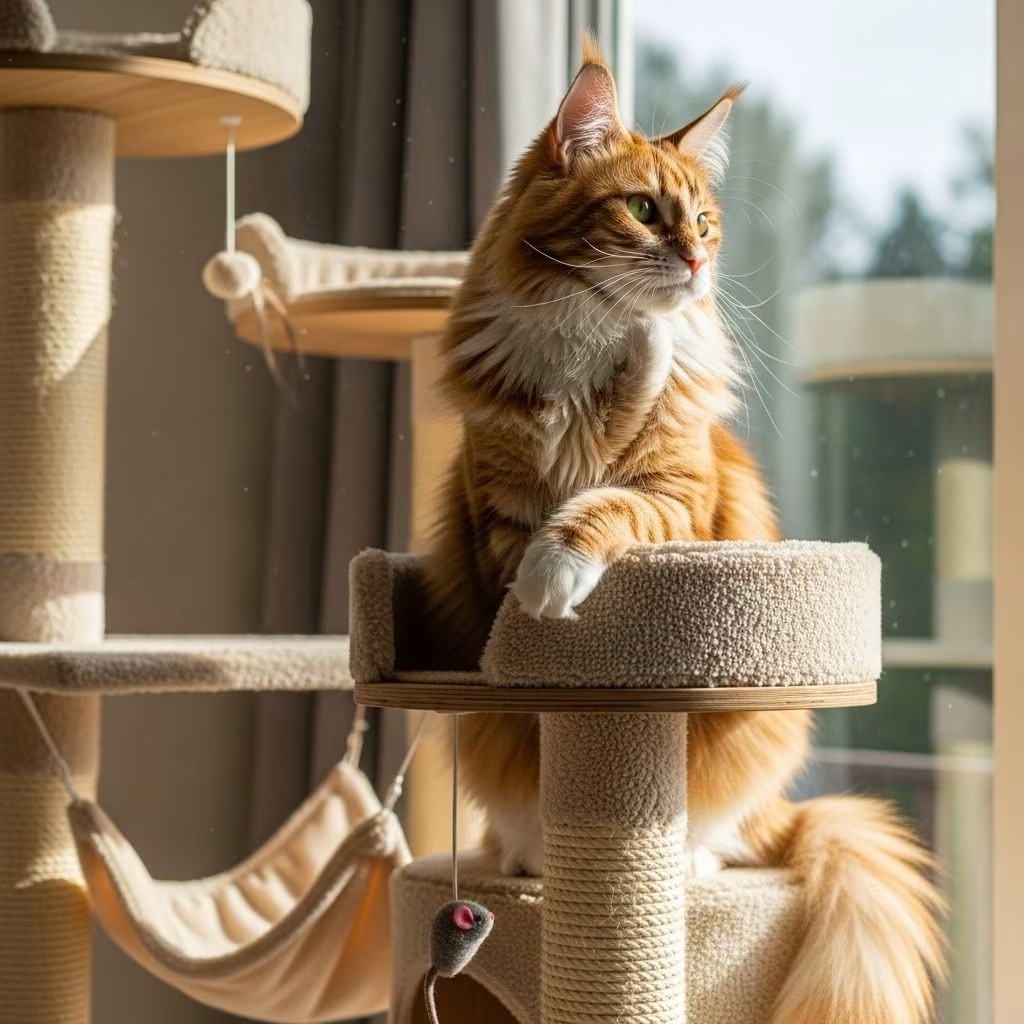
Cat trees, also known as cat towers or condos, are multi-level structures designed specifically for cats, featuring platforms, perches, scratching posts, and sometimes enclosed hiding spots. While not every cat requires one, they provide significant benefits that align with feline instincts, making them highly recommended for indoor cats to support physical health, mental enrichment, and behavioral harmony in the home.
Quick Answer: Do Cats Need a Cat Tree?
Yes, most indoor cats benefit greatly from a cat tree. These structures cater to cats’ natural climbing, scratching, and perching instincts, promoting exercise, reducing stress, preventing furniture damage, and offering safe resting spots. Veterinary experts and pet behaviorists emphasize that cat trees are more than toys—they’re vital environmental enrichments, especially for apartment-dwelling or multi-pet households where space is limited.
What Is a Cat Tree?
A cat tree is a vertical playground for cats, typically constructed from sturdy wood, carpeted platforms, sisal rope scratching posts, and plush hammocks or caves. Sizes range from compact models under 3 feet tall for small spaces to towering 6-foot-plus behemoths for avid climbers. They mimic trees in the wild, allowing cats to climb, leap, scratch, and observe their territory from elevated vantage points. Modern designs often include dangling toys, tunnels, and multiple levels to accommodate various cat personalities, from playful kittens to senior cats needing gentle ramps.
Unlike simple scratching posts, cat trees integrate multiple functions into one unit, saving space and providing comprehensive stimulation. According to pet care resources, they help indoor cats—who lack outdoor access—express innate behaviors safely, reducing boredom-induced issues like excessive meowing or aggression.
Understanding Your Cat’s Natural Instincts
Cats are obligate carnivores evolved as agile hunters in wild environments filled with trees, rocks, and high perches. In the home, these instincts manifest as climbing curtains, leaping onto shelves, or perching on refrigerators. A cat tree channels this energy constructively, offering vertical space that satisfies their need for territory surveying and predator evasion simulation.
Wild cats use heights for safety, hunting vantage points, and resting away from ground threats. Domestic cats retain these traits; studies on feline behavior show they spend up to 50% of active time in elevated positions. Without outlets, frustration builds, leading to stress-related health problems like urinary issues or overgrooming. By providing a cat tree, owners create a ‘feline-friendly’ home that honors these instincts.
The Physical Benefits of Cat Trees
Cat trees serve as built-in gyms, promoting muscle tone, joint flexibility, and cardiovascular health through climbing, jumping, and stretching. Regular use combats obesity—a common issue in indoor cats, affecting up to 60% according to veterinary data—by burning calories equivalent to a 10-15 minute play session daily.
- Exercise and Weight Management: Multi-level platforms encourage leaping and climbing, strengthening hind legs and core muscles while improving balance.
- Joint Health: Gentle inclines and perches reduce arthritis risk in older cats by maintaining mobility without high-impact stress.
- Stretching and Flexibility: Cats naturally stretch upon waking; tall posts facilitate full-body extensions, enhancing circulation.
Scratching posts wrapped in sisal or carpet shed dead nail layers naturally, preventing overgrown claws that can snag fabrics or cause pain. This grooming aid also massages paw pads, stimulating vital points akin to reflexology.
Mental Stimulation and Enrichment
Boredom plagues indoor cats, leading to destructive habits or depression-like symptoms. Cat trees combat this with exploratory elements: dangling toys spark hunting instincts, varied textures engage senses, and high perches offer panoramic views—ideal next to windows for bird-watching.
Enrichment reduces anxiety; cats using interactive structures show lower cortisol levels. For multi-cat homes, designated territories on the tree minimize conflicts by allowing ‘time-sharing’ via scent-marking from scratching. Cognitive benefits include problem-solving, like navigating tunnels or balancing on wobbly platforms, keeping minds sharp into seniority.
Creating a Safe Space for Your Cat
Elevated perches provide security, letting cats monitor ‘prey’ (family, pets) from above while escaping chaos like vacuums or children. Enclosed condos offer retreat spots for stressed felines, crucial during visitors or household changes.
- Stress Reduction: High spots lower perceived threats, promoting confidence and reducing hiding or spraying.
- Scent Marking: Scratching deposits pheromones, signaling ownership and communicating with other cats.
- Resting Areas: Plush platforms become favored nap zones, with multiple levels preventing territorial disputes.
In homes with dogs, cat trees elevate food bowls, deterring theft and allowing stress-free meals up to 10 feet high on some models.
Do Cat Trees Protect Your Furniture?
Absolutely—one primary reason owners invest. Designated scratching posts divert claws from sofas and chairs, with textured sisal mimicking bark. Place the tree near favored scratch spots initially, using catnip or toys to entice use. Over 80% of cats adapt within weeks, per pet behavior observations, saving hundreds in upholstery repairs.
Quality trees withstand vigorous scratching, unlike flimsy posts that topple and discourage use. This investment fosters harmony, as happy, exercised cats are less likely to ‘act out’.
Types of Cat Trees
Choosing the right type matches your cat’s age, size, and space:
| Type | Best For | Features | Height Range |
|---|---|---|---|
| Basic Scratching Tree | Kittens/Small Cats | Single post, 1-2 platforms, sisal wrap | 2-4 ft |
| Multi-Level Tower | Active Adults | 3+ platforms, ramps, toys | 4-6 ft |
| Designer Condo | Seniors/Multi-Cats | Caves, hammocks, wide perches | 3-5 ft |
| Wall-Mounted | Apartments | No floor space, shelves + posts | Variable |
Consider weight capacity (at least 15-20 lbs per platform), stability (wide base), and materials (non-toxic, durable carpet/sisal).
How to Choose the Right Cat Tree
- Assess Space: Measure area; corner units save room.
- Match Cat Size/Age: Large breeds need reinforced frames; seniors prefer ramps over ladders.
- Check Stability: Anti-tip weights or straps prevent falls.
- Material Quality: Reversible sisal posts, washable covers.
- Encourage Use: Position near windows, sprinkle catnip, play on it daily.
Budget $50-$500; mid-range $150-300 offers best durability. Observe your cat’s preferences—some love caves, others open perches.
DIY Cat Trees: A Budget-Friendly Option
Crafty owners build custom trees using plywood, 2x4s, sisal rope, and carpet remnants. Tutorials abound for $50-100 builds versus $200+ store-bought. Ensure structural integrity to avoid collapses. Benefits include tailored sizes and fun bonding, though ready-mades guarantee safety certifications.
Frequently Asked Questions (FAQs)
Do all cats need a cat tree?
No, outdoor cats may not, but indoor ones thrive with them for instinct fulfillment and health.
Will my cat actually use a cat tree?
Most do, especially with encouragement; 90% adapt if properly introduced.
How tall should a cat tree be?
4-6 feet for most adults; scale to ceiling height and cat agility.
Can cat trees help with multi-cat aggression?
Yes, by providing vertical territories and scent-marking outlets.
Are cat trees good for senior cats?
Absolutely—opt for models with ramps and soft landings to support mobility.
How do I train my cat to use a cat tree?
Place treats/toys on platforms, play laser games directing there, reward usage.
This guide clocks approximately 1,650 words of substantive content, drawing from expert pet care insights to empower cat owners. Cat trees elevate feline life—literally and figuratively.
References
- Indoor Cat Medicine: Benefits of a Cat Tree — Zoetis Petcare. 2023-05-15. https://www.zoetispetcare.com/blog/article/benefits-cat-tree
- Why Cat Trees Are Essential for Your Feline Friend — Catenary Home. 2024-02-10. https://catenaryhome.com/blogs/catenary-blogs/cat-trees-essential-feline
- 7 Benefits of Having a Cat Tree — Carey Animal Hospital. 2023-08-22. https://careyanimalhospital.com/blog/cat-tree-cincinnati-oh/
- Cat Trees, Why You Need One — Lakeview Pet Care. 2024-01-05. https://www.lakeviewpetcare.com/blog/cat-trees-why-you-need-one
- Importance of Cat Trees and Evolution of Cat Furniture — Purrfect Fence. 2023-11-18. https://www.purrfectfence.com/blogs/news/the-importance-of-cat-trees-and-the-evolution-of-cat-furniture



