

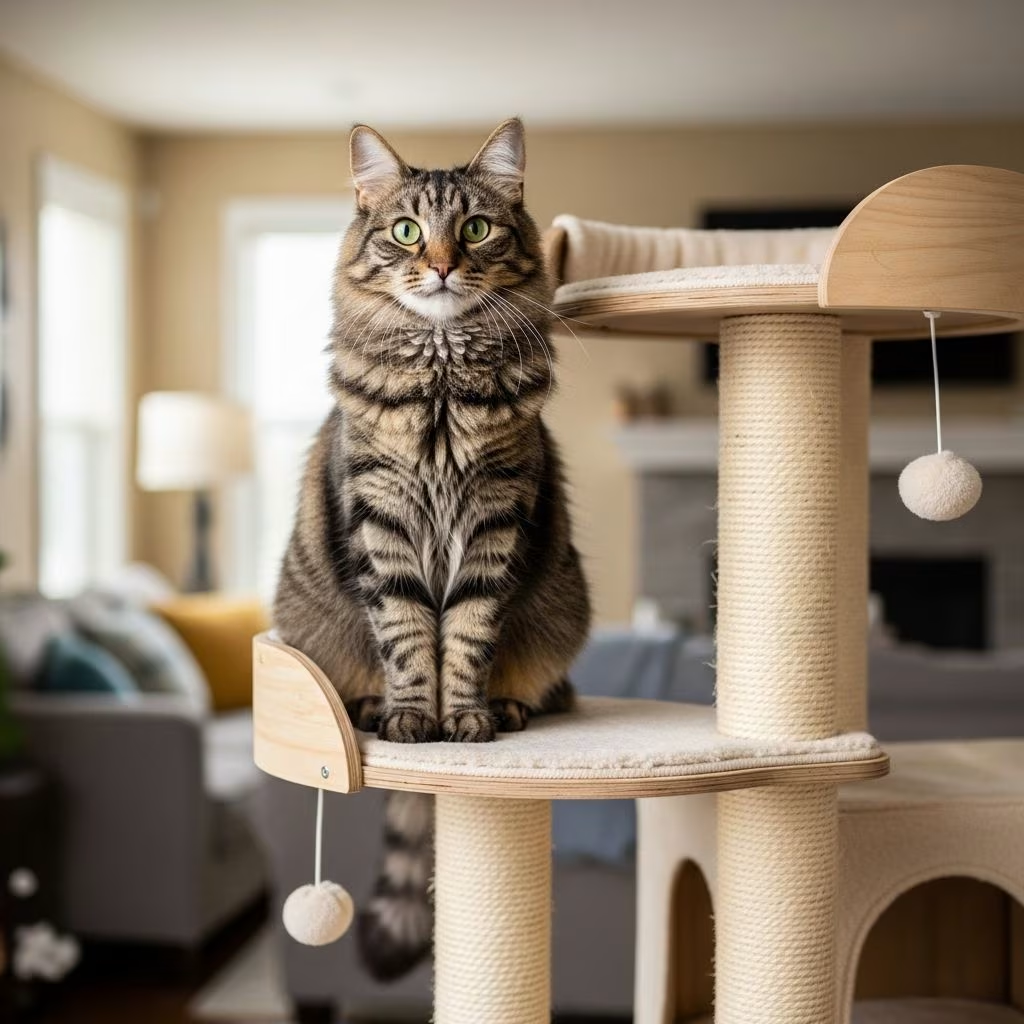
Cat trees, also known as cat towers or condos, are multi-level structures designed for climbing, scratching, perching, and resting. While not strictly essential for survival, they offer significant benefits for indoor cats by mimicking natural behaviors and promoting overall well-being. Veterinary experts recommend them for enrichment, especially in homes with limited outdoor access.
The 4 Benefits of Having a Cat Tree
Cat trees address key feline needs, from physical activity to emotional security. Here’s a breakdown of the primary advantages supported by pet care research.
1. They Provide Personal Space
Cats are solitary by nature and crave private retreats. They spend up to 16 hours a day sleeping or resting, preferring elevated, secluded spots away from household bustle. Cat trees feature perches, cubbies, and hammocks that serve as safe havens, reducing stress and allowing cats to observe their environment without interference.
For multi-pet households or homes with children, these personal zones prevent conflicts. A cat can retreat to a high perch, feeling secure while monitoring “threats” like dogs or visitors. This sense of control calms anxious felines and fosters confidence.
2. They Protect Your Furniture
Scratching is an instinctive behavior for cats to maintain claws, mark territory, and stretch. Without appropriate outlets, furniture becomes the target. Cat trees incorporate sisal posts, carpeted ramps, and rope-wrapped columns, redirecting this urge to durable materials.
By placing a cat tree near favored sleeping areas, cats naturally scratch upon waking, keeping nails trimmed and fabrics intact. This also spreads their scent via paw glands, signaling ownership without destructive spraying. Regular use can save hundreds in upholstery repairs while satisfying grooming needs.
3. They Provide Mental Stimulation
Indoor cats face boredom risks, leading to lethargy or mischief. Cat trees encourage exploration, hunting simulations, and problem-solving through tunnels, dangling toys, and multi-level platforms. Climbing and jumping sharpen cognitive skills and mimic wild prey pursuits.
Positioning near windows amplifies engagement—cats watch birds or passersby, reducing stress and enhancing mood. Studies on feline enrichment show mentally active cats exhibit fewer behavioral issues like excessive meowing or aggression.
4. Provides Exercise
Sedentary indoor lifestyles contribute to obesity in 60% of cats, per veterinary data. Cat trees promote vertical movement: leaping between platforms builds muscle, improves joint flexibility, and boosts cardiovascular health. Daily sessions burn calories equivalent to a 10-minute play chase.
Features like ramps and caves add variety, stretching limbs and preventing arthritis. For senior or overweight cats, lower-entry designs ensure accessibility, supporting lifelong fitness.
Pros and Cons of Cat Trees
While beneficial, cat trees aren’t perfect. Weigh these factors before purchase.
| Pros | Cons |
|---|---|
|
|
High-quality models from reputable brands last years, offsetting costs. Opt for weighted bases and natural materials like sisal for durability.
Do All Cats Need a Cat Tree?
No, not every cat requires one—outdoor access or ample shelves may suffice. However, for strictly indoor cats, they’re highly recommended. Kittens and young adults benefit most from exercise; seniors appreciate low-impact perches. Multi-cat homes often need multiples to avoid territorial fights.
Observe your cat: frequent jumping on counters or lethargy signals a need for vertical space. Alternatives like wall shelves or window perches work but lack integrated scratching.
How to Choose the Right Cat Tree for Your Cat
Select based on your cat’s age, size, and home layout. Key considerations:
- Size and Stability: Match height/width to space; ensure base exceeds top width by 2x for balance.
- Materials: Sisal or cardboard for scratching; plush fabrics for resting. Avoid toxic glues.
- Features: Multi-level for adults; enclosed beds for shy cats; toys for playful ones.
- Weight Capacity: 20–50 lbs per platform for larger breeds.
- Budget: $100–$300 for sturdy, multi-year use.
Test stability by shaking; reversible covers ease cleaning. Place near litter box or bed to encourage use.
Tips for Encouraging Your Cat to Use a Cat Tree
Cats may ignore new items initially. Boost adoption with:
- Sprinkling catnip on posts.
- Attaching toys or treats to platforms.
- Placing it in a quiet, sunny spot.
- Interactive play sessions guiding climbs.
- Patience—familiarization takes days.
Rub with feline pheromones for scent appeal. Reward usage with praise or food.
Frequently Asked Questions (FAQs)
Q: Do cats really need a cat tree?
A: Not for survival, but they greatly benefit indoor cats’ health, providing exercise, scratching outlets, and security that prevent obesity and boredom.
Q: What if my cat ignores the cat tree?
A: Entice with catnip, toys, or relocation. Some prefer custom setups like shelves; persistence pays off.
Q: Are cat trees good for multiple cats?
A: Yes, wide designs with separate levels reduce conflicts. One per cat ideal in busy homes.
Q: Can cat trees help with scratching furniture?
A: Absolutely—proper posts redirect natural behavior, protecting your home.
Q: What’s the best cat tree for seniors?
A: Low-entry, stable models with wide platforms and soft bedding support mobility.
Conclusion
Cat trees bridge the gap between domestic life and wild instincts, promoting healthier, happier felines. Though optional, their pros far outweigh cons for most owners. Invest wisely to enrich your cat’s world and safeguard your furniture.
References
- Why Cat Trees Are Essential for Your Feline Friend — Catenary Home. 2023-05-15. https://catenaryhome.com/blogs/catenary-blogs/cat-trees-essential-feline
- Benefits of Having a Cat Tree — Zoetis Petcare. 2024-08-20. https://www.zoetispetcare.com/blog/article/benefits-cat-tree
- What Are the Benefits of Having a Cat Tree in Cincinnati, OH? — Carey Animal Hospital. 2023-11-10. https://careyanimalhospital.com/blog/cat-tree-cincinnati-oh/
- Do Cats Need a Cat Tree? Vet Approved Pros, Cons & Considerations — Catster. 2025-02-14. https://www.catster.com/cat-health-care/do-cats-need-a-cat-tree/
- Cat Trees, Why You Need One — Lakeview Pet Care. 2024-03-05. https://www.lakeviewpetcare.com/blog/cat-trees-why-you-need-one



