

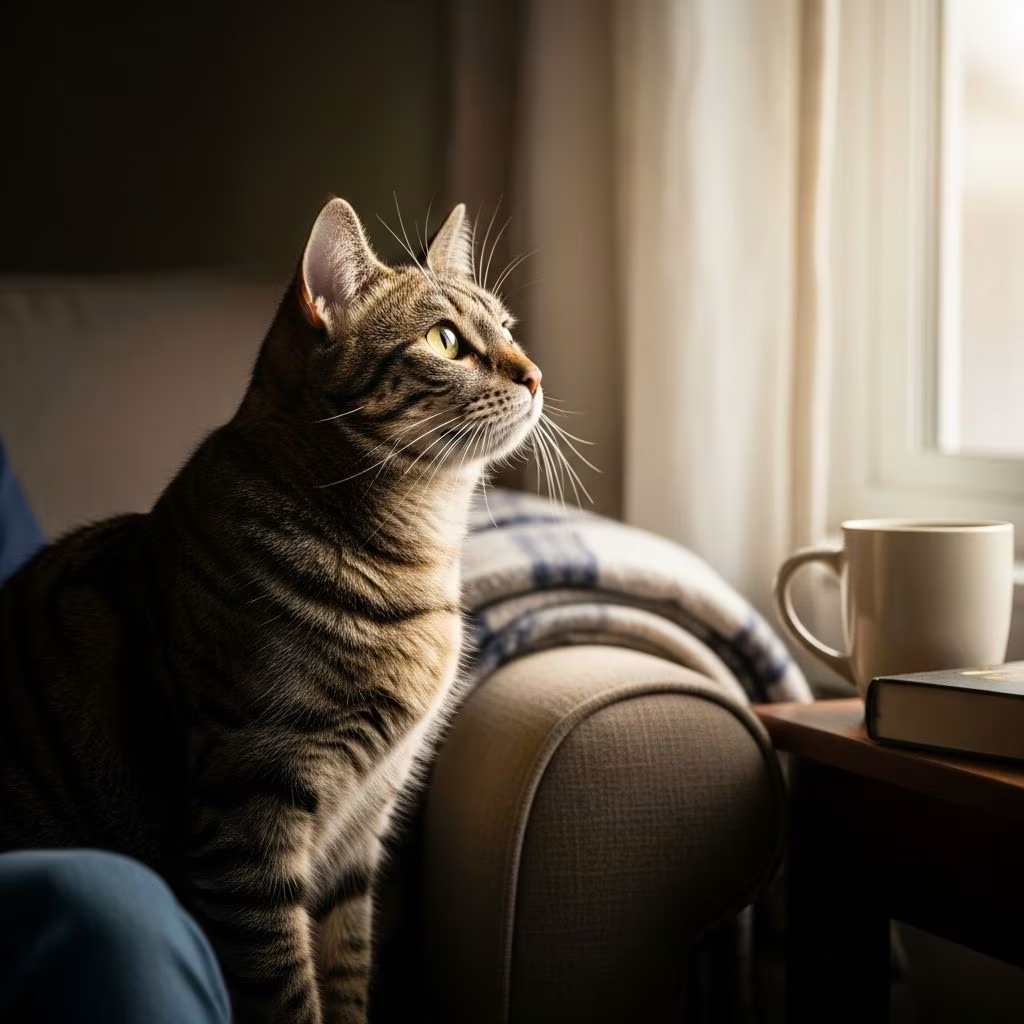
Cats often form strong emotional bonds with their owners, displaying subtle signs of missing them during absences, such as increased vocalization, waiting by the door, or changes in appetite and grooming habits.
While cats are known for their independent nature, research and expert observations indicate they do notice and can miss their humans, especially those with close relationships. Unlike dogs, cats express attachment more subtly, but behaviors like purring upon reunion or following you around reveal their feelings. This article delves into the science, signs, and strategies to help your cat cope when you’re away.
Do Cats Form Attachments to Their Owners?
Yes, cats develop secure attachments to their primary caregivers, similar to infants with parents, according to studies on feline social behavior. Cats associate their owners with safety, food, and play, leading to distress when routines are disrupted.
Animal behaviorists note that early socialization influences this bond; kittens exposed to humans during sensitive periods (2-7 weeks) grow into more people-oriented adults who miss their owners more noticeably. Contrary to the myth of cats being aloof, they seek proximity and show affection through scent-marking and vocalizations.
- Routine Dependency: Cats thrive on predictability; your absence breaks their schedule, prompting longing behaviors.
- Social Referencing: Cats look to owners for cues in new situations, indicating trust and emotional reliance.
- Grief Response: Cats mourn lost owners, sleeping more or searching for them, proving deep bonds.
Signs Your Cat Misses You
Observe these common indicators that your cat feels your absence. Healthy signs show affection, while extreme ones may signal anxiety.
| Healthy Signs | Unhealthy Signs (Possible Anxiety) |
|---|---|
| Excited purring, rubbing, tail up upon return | Hiding or ignoring you for extended periods |
| Chirping or soft meows for attention | Loud yowling or howling when alone |
| Following you or sitting nearby | Overly clingy or panicked when you leave a room |
| Sleeping on your clothes for comfort | Lethargy or excessive sleeping with disinterest |
| Increased playfulness post-reunion | Lack of interest in toys even after return |
| Minor appetite changes | Skipping meals or binge eating |
| Extra grooming | Over-grooming causing bald spots |
| Waiting by door at return time | Obsessive pacing or destructive behavior |
Additional signs include heightened vocalization like meowing or trilling to ‘call’ you home, and depression-like symptoms such as reduced eating or excessive sleeping. Post-vacation clinginess, where your cat tails you everywhere, is a classic ‘furry bodyguard’ response.
The Science Behind Cats Missing Their Owners
Research challenges the view that cats are solitary and don’t miss humans. A University of Lincoln study found cats display attachment styles—secure, avoidant, or anxious—much like humans. Secure cats greet owners warmly after separation, showing they missed the interaction.
Unlike dogs, cats don’t always show separation anxiety overtly, but physiological changes like elevated cortisol during absences confirm stress. Brain imaging in felines reveals oxytocin release (the ‘love hormone’) during reunions, mirroring human bonds.
- Attachment Theory: Cats form ‘secure base’ relationships with owners for emotional security.
- Stress Indicators: Increased heart rate and hiding during owner absence.
- Reunion Behaviors: Purring, stretching, and head-butting signify joy at your return.
Experts like Jennifer Van de Kieft emphasize that consistent care builds resilience, but prolonged absences can lead to longing.
Cat Separation Anxiety: When Missing You Becomes a Problem
Separation anxiety affects 10-15% of cats, manifesting as destructive scratching, litterbox avoidance, or excessive vocalizing. Triggers include sudden schedule changes, like new jobs or vacations.
Symptoms escalate from mild (waiting by door) to severe (self-harm via over-grooming). Risk factors: single-cat homes, history of abandonment, or breed predispositions like Siamese.
- Mild: Vocalizing, door-scratching.
- Moderate: Appetite loss, pacing.
- Severe: Destructive behavior, elimination outside box.
Distinguish from medical issues; consult a vet if behaviors persist.
How to Help Your Cat When You’re Away
Ease your cat’s longing with these strategies to maintain security and routine.
- Enrichment Toys: Puzzle feeders, interactive lasers keep them mentally stimulated.
- Comfort Items: Leave worn clothing for scent comfort.
- Scheduled Play: Consistent sessions build positive associations.
- Calming Aids: Pheromone diffusers like Feliway reduce stress.
- Pet Sitters/Cameras: Check-ins via apps reassure both of you.
- Gradual Desensitization: Practice short absences to build tolerance.
Multiple cats can provide companionship, reducing isolation. For long trips, professional boarding with familiar routines works best.
Building a Strong Bond with Your Cat
Foster resilience through balanced interaction: attention without smothering. Positive, predictable routines—like daily pets or play—strengthen attachment.
- Respect independence: Allow solo time.
- Use treats for good behavior.
- Vertical spaces: Cat trees mimic territory.
- Slow blinks: Mimic to signal trust.
Dr. Jennifer Feeney advises consistent small attentions to prevent over-dependence.
Frequently Asked Questions
Do cats miss their owners when they go on vacation?
Yes, especially bonded cats; they may show clinginess or routine disruption upon return.
Do cats miss their owners if given away?
Cats form strong bonds and can experience stress or loss initially, though many adapt over time.
Do cats grieve when owners die?
Cats grieve via changed routines, increased sleeping, or searching behaviors.
Do cats miss people other than primary owners?
Yes, if positively bonded, showing similar attachment signs.
Do runaway cats miss their owners?
Often yes; they may attempt returns for home’s safety.
How long does it take a cat to miss you?
Signs appear after hours to days, depending on bond strength.
References
- Does Your Cat Miss You When You’re Gone? — Rover.com. 2023. https://www.rover.com/blog/do-cats-miss-their-owners/
- Do Cats Miss Their Owners? 9 Signs Revealing Cats’ True Feelings — Basepaws. 2023. https://basepaws.com/blog/do-cats-miss-their-owners-9-signs-revealing-cats-true-feelings
- Does a cat miss you when you’re gone? — Pawshake. 2023. https://www.pawshake.com.au/blog/does-cat-miss-you-when-youre-gone
- Do Cats Miss Us When We Leave the House? — Jackson Galaxy. 2023. https://www.jacksongalaxy.com/blogs/news/do-cats-miss-us-when-we-leave-the-house
- Do Cats Miss You when You Go on Vacation — The Cat Butler (YouTube). 2023. https://www.youtube.com/watch?v=tNBkbXby4M
- Do cats miss their owners? — FELIWAY. 2023. https://www.feliway.co.uk/blogs/news/do-cats-miss-their-owners



