

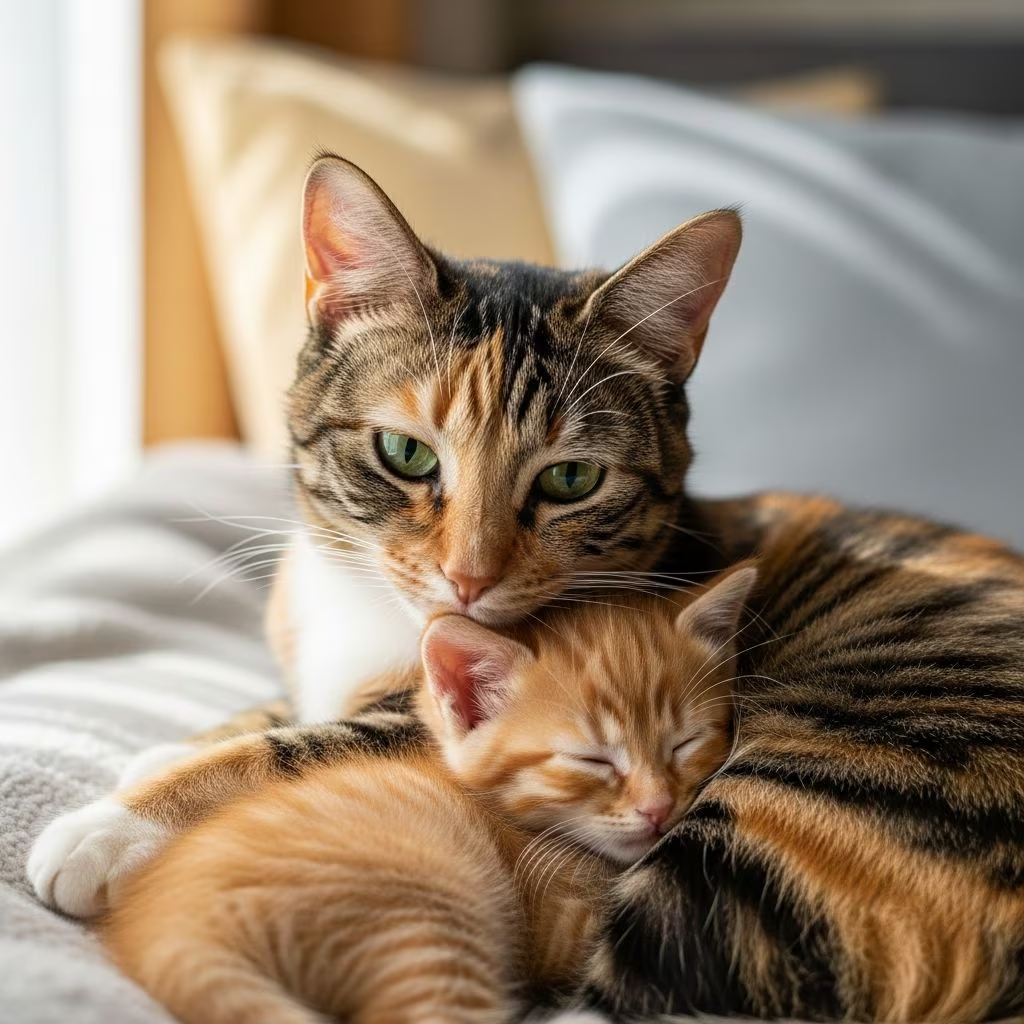
Mother cats typically do not miss their kittens after they are fully weaned, around 8-12 weeks of age, due to natural hormonal shifts and scent changes that alter their bond.
This phenomenon stems from feline biology, where maternal instincts prioritize kitten survival during early dependency but wane as kittens become independent. Cat owners often worry about separating litters, projecting human emotions onto cats, but understanding cat behavior reveals a different reality.
Do Mother Cats Miss Their Kittens?
The straightforward answer is no—most mother cats do not long for their kittens post-weaning. Weaning occurs between 4-6 weeks, after which the queen (mother cat) begins to distance herself instinctively. Kittens’ scents evolve rapidly, especially by 10-12 weeks when they reach sexual maturity, causing the mother to “forget” them in a familial sense.
During the first weeks, kittens rely entirely on their mother for milk, warmth, and protection. Newborns can’t see or hear well, triggering intense maternal care. By one month, the queen weans them by rejecting nursing attempts and promoting solid food intake. This shift marks the end of close dependency.
Sudden separations before full weaning can distress the mother temporarily, altering her routine. She might vocalize more, search briefly, or show appetite changes. However, these effects fade quickly as her body adjusts—oxytocin levels, elevated during nursing, decrease sharply.
- Weaning Timeline: 4-6 weeks for initial solid foods; full independence by 8-12 weeks.
- Behavioral Signs Post-Separation: Increased meowing, restlessness, or solitude-seeking, resolving in days.
- Hormonal Role: Oxytocin bonds mother and kittens early but drops as kittens eat independently.
Owners report mothers resuming normal activities like grooming and play within 24-48 hours after planned rehoming. This evolutionary adaptation ensures queens can breed again efficiently, unlike human lifelong parenting.
How Long Do Cats Miss Their Kittens?
Mother cats grieve briefly if kittens are removed prematurely, but post-weaning, the “missing” phase lasts mere hours to days. Studies and observations indicate no prolonged distress; instead, queens often seem relieved.
If a kitten dies suddenly, the mother may lick or warm the body excessively, showing short-term emotional response tied to protective instincts. This isn’t sustained mourning but an extension of caregiving. For rehomed litters, no evidence supports ongoing pining—cats prioritize survival over sentimentality.
Factors influencing duration:
| Factor | Impact on Missing Period |
|---|---|
| Age at Separation | Pre-weaning: 1-3 days distress; Post-weaning: Negligible. |
| Litter Size | Larger litters: Less individual attachment; Smaller: Slightly longer adjustment. |
| Queen’s Personality | Affectionate queens: Mild confusion; Independent: Immediate normalcy. |
| Environment | Stable home: Faster recovery; Stressful changes: Prolonged mild anxiety. |
Video observations from experts like Kitten Lady confirm mothers seek “me time” as kittens age, naturally weaning emotional investment.
Do Cats Recognize Their Kittens When They See Them Again?
Adult cats rarely recognize grown kittens due to profound scent changes post-maturity. Cats identify kin primarily via pheromones, not sight or sound. Reunions after months often provoke stranger reactions: hissing, growling, or swatting, as if defending territory.
During nursing, shared scents foster familiarity. But by 12 weeks, kittens develop unique profiles, especially if spayed/neutered or exposed to new environments. A mother might sniff curiously but treats them as unrelated adults.
Anecdotes vary: Some queens groom returning offspring briefly, but most interact neutrally or aggressively. This aligns with solitary feline nature—unlike pack animals, cats don’t maintain family hierarchies long-term.
- Scent Dependency: Primary recognition tool; fades with separation.
- Reunion Behaviors: Sniffing, avoidance, or territorial displays common.
- Exceptions: Rare in familiar multi-cat homes with gradual reintroduction.
Do Cats Form Emotional Connections With Their Kittens?
Yes, temporarily—driven by hormones, not deep sentiment. Nursing releases oxytocin, forging a protective bond essential for kitten survival. Queens nurse 24/7 initially, but as kittens wean, instincts shift to independence training.
This bond is functional: teaching grooming, litter use, hunting basics. Discipline includes walking away from rough play, hissing, or gentle bites—mirroring wild survival prep. Emotional depth is debated; cats feel attachment but prioritize self-preservation.
Sudden kitten loss evokes grief-like responses, but it’s instinctual, not conscious mourning. Post-weaning, queens resume solitude happily, evolution favoring quick recovery for future litters.
What Happens If You Get Mother Cat and Kittens at the Same Time?
Adopting a queen with her litter allows natural weaning, benefiting all. Keep them together until 8-12 weeks: kittens learn social skills, mother avoids abrupt distress.
Provide a quiet space with food, litter, and toys. Monitor queen’s health—postpartum needs include nutrition and vet checks. Gradually socialize kittens to humans while queen rests.
- Pros: Natural bonding, healthier kittens, less separation stress.
- Cons: Space commitment, allergy risks, queen’s recovery time.
- Timeline: Wean at 8 weeks; rehome kittens humanely.
Spay the queen post-weaning to prevent repeats. This setup mimics feral colonies briefly, easing transition.
Do Mom Cats Get Sad When You Give Their Kittens Away?
Not typically, if done post-weaning. Planned separations align with instincts—queens expect kittens to leave. Premature removal might cause temporary sadness: pacing, calling out.
Comfort her with extra attention, familiar scents, play. Most bounce back swiftly, enjoying undivided care. Projecting human sadness anthropomorphizes; cats adapt pragmatically.
Do Father Cats Miss Their Kittens?
Fathers rarely bond with kittens, lacking maternal hormones. Toms might tolerate or play gently but show no distress at separation. In wild settings, they avoid litters to prevent infanticide risks. Domestic dads vary but generally remain indifferent.
Frequently Asked Questions (FAQs)
Do mother cats miss their kittens after they are rehomed?
No, after full weaning (8-12 weeks), mothers adjust quickly without lasting distress.
How long does it take for a mother cat to forget her kittens?
Scent familiarity fades within weeks; emotional adjustment in days post-weaning.
Will my cat recognize her kittens as adults?
Unlikely, due to scent changes; reactions often resemble stranger encounters.
Is it okay to separate kittens from mom at 8 weeks?
Yes, that’s standard for healthy development and adoption.
Do all mother cats react the same to kitten separation?
No, personalities vary; most recover fast, some show brief confusion.
Conclusion
Mother cats form vital early bonds with kittens, but these dissolve post-weaning as nature intended. Owners can rehome confidently after 8-12 weeks, ensuring welfare without maternal heartbreak. Focus on spaying and responsible pet ownership for happier cats.
References
- Do Cats Miss Their Kittens? Surprising Explanation — Hepper. 2023. https://articles.hepper.com/do-cats-miss-their-kittens/
- Do Mom Cats Miss Their Kittens After Adoption? — Kitten Lady (YouTube). 2023. https://www.youtube.com/watch?v=sD9d4fSm_3Y
- Do Mother Cats Discipline Their Kittens? A Veterinarian Explains — Cats.com. 2024. https://cats.com/do-mother-cats-discipline-their-kittens



