

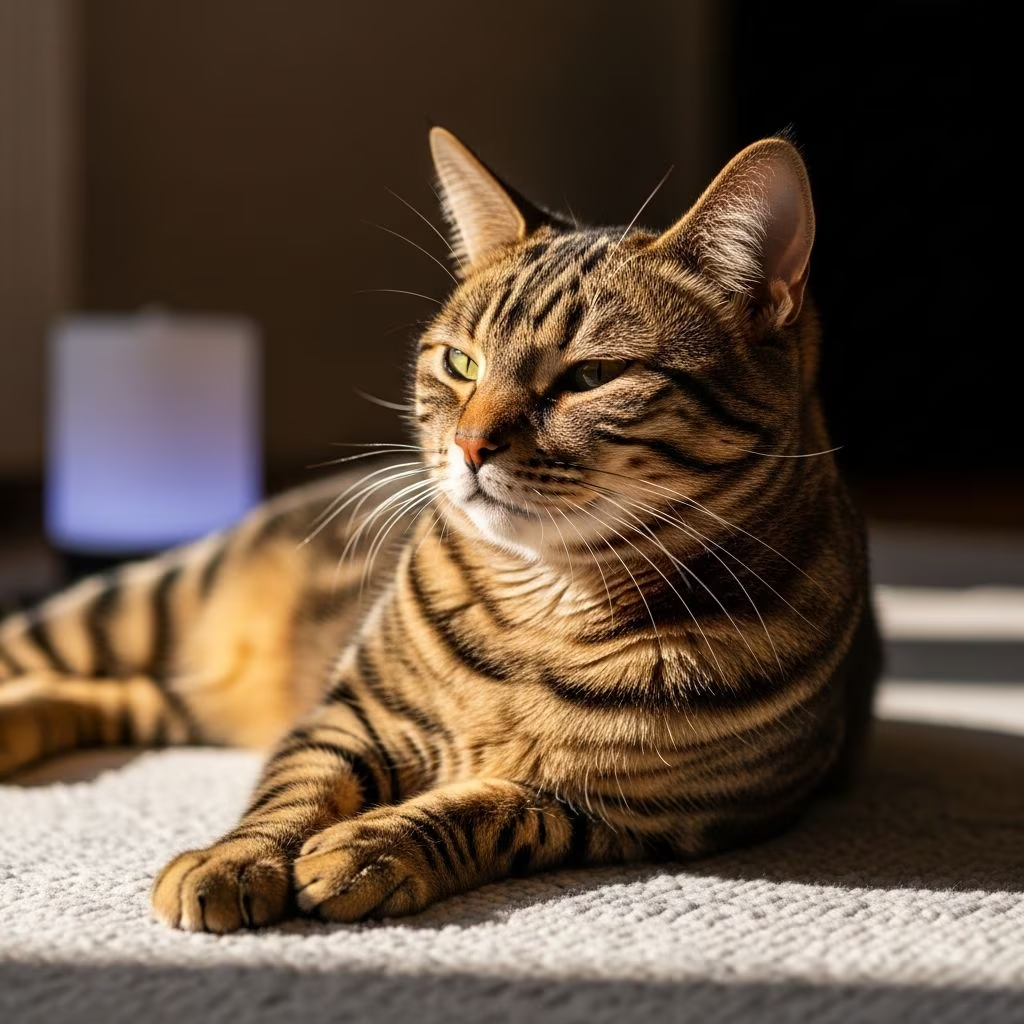
Cats possess highly sensitive hearing, making them prone to stress from loud or sudden noises like thunder, fireworks, or household appliances. White noise, a consistent sound masking environmental disturbances, can help many cats feel calmer by creating a soothing auditory backdrop. While not all cats respond identically, veterinary sources indicate white noise promotes relaxation, particularly during stressful events, by drowning out unpredictable sounds that trigger fear responses.
What Is White Noise?
White noise consists of a blend of all audible frequencies at equal intensity, producing a steady ‘shhh’ sound similar to static, rainfall, or a fan. Unlike erratic noises such as fireworks or traffic, white noise is predictable and uniform, which helps mask disruptive sounds without startling pets. For cats, whose ears detect frequencies up to 64 kHz—far beyond human range—this consistent hum can mimic natural environments like rustling leaves or ocean waves, fostering a sense of security.
Veterinarians recommend white noise machines or apps playing ocean waves, rain, or fan sounds to create calming atmospheres. These tools are especially useful in urban settings where construction, traffic, or neighbors contribute to chronic stress.
Why Might Cats Dislike Loud Noises?
Cats’ acute hearing is an evolutionary trait for hunting and survival, but in domestic life, it heightens vulnerability to noise aversion—a fear response to startling or loud sounds. Common triggers include thunderstorms, fireworks, vacuums, traffic, construction, loud music, children’s play, and appliances. This sensitivity stems from genetics, poor socialization, past trauma (e.g., strays), or chaotic homes.
Unlike humans who rationalize noises as harmless, cats may associate them with danger, leading to anxiety. Ambient sounds humans ignore, like buzzing monitors or light switches, can also agitate felines due to their superior auditory range.
Signs Your Cat Has Noise Aversion
Detecting noise aversion in cats is challenging as they often hide rather than show overt distress like dogs. Watch for these subtle signs during loud events:
- Hiding in secluded spots or under furniture
- Escaping attempts or pacing restlessly
- Dilated pupils and hypervigilance
- Trembling or salivating
- Excessive vocalization (meowing, yowling)
- Overgrooming or inappropriate elimination
- Flattened ears or wide-eyed expressions
If your cat exhibits these, consult a vet to rule out medical issues. Early intervention prevents chronic anxiety.
Do Cats Like White Noise? The Science and Evidence
Many cats benefit from white noise, particularly those with noise aversion. Clinics like Just Cats recommend it alongside classical music or nature sounds to build positive associations and mask triggers. PetMD notes white noise machines effectively block abrupt noises, leveraging cats’ evolutionary responses.
Research on feline sound processing, such as studies on localization, shows cats perform better with longer-duration steady noises versus short bursts, suggesting consistent white noise is less disorienting. While direct studies on white noise preference are limited, behavioral observations confirm it reduces stress signals in multi-cat households or during events like fireworks.
Not every cat loves it—some may initially startle at new sounds. Start low-volume and observe reactions. Over time, most associate it with calm.
Benefits of White Noise for Cats
White noise offers several advantages for feline well-being:
- Masks Disruptive Sounds: Overlays traffic or storms, preventing fear spikes
- Promotes Relaxation: Steady hum mimics safe natural settings, lowering heart rates
- Aids Sleep: Helps nocturnal cats settle, reducing night meowing
- Reduces Anxiety: Pairs well with pheromone diffusers for noisy events
- Non-Invasive: Drug-free option for mild cases
| Noise Type | Cat Stress Level (Typical) | White Noise Effect |
|---|---|---|
| Thunder/Fireworks | High (hiding, trembling) | High reduction—masks peaks |
| Vacuum/Appliances | Medium (pacing, vocalizing) | Moderate—steady overlay |
| Traffic/Construction | Low-Chronic | High for long-term calm |
How to Introduce White Noise to Your Cat
Gradual introduction ensures success:
- Choose the Right Sound: Fan, rain, or ocean via apps/machines. Avoid sudden changes.
- Start Low: Play at barely audible levels during calm times.
- Pair with Positives: Offer treats or play when on, building association.
- Create a Safe Space: Soundproof room with perches, toys, litter—add white noise.
- Monitor Response: Increase volume if no stress signs; adjust if averse.
For events, preemptively play 30-60 minutes before. Combine with distractions like puzzles.
Other Ways to Help Cats with Noise Aversion
Complement white noise with these vet-approved strategies:
- Positive Association Training: Play low trigger recordings with treats.
- Environmental Enrichment: Pheromone diffusers, high perches, interactive toys.
- Exercise Routine: Daily play reduces overall anxiety.
- Vet Consultation: For severe cases, anxiety meds or behaviorists.
- Calming Aids: Classical music, nature docs.
Types of White Noise for Cats
Select cat-friendly options:
- Fan/White Noise Machines: Consistent hum, easy access.
- Nature Sounds: Rain, waves—mimic outdoors.
- Classical Music: Slow tempos soothe.
- Apps/YouTube: Free playlists for pets.
Avoid high-pitched or variable tracks initially.
FAQs
Do all cats like white noise?
No, but most tolerate or benefit from it. Observe your cat; some prefer silence.
Can white noise help with fireworks or thunderstorms?
Yes, it effectively masks booms, reducing hiding and trembling.
How loud should white noise be for cats?
Low to moderate—just enough to cover triggers without startling. Around 50-60 dB.
Is white noise safe for cats long-term?
Yes, when not excessive. Rotate sounds to prevent habituation.
What if my cat seems more stressed with white noise?
Stop and try alternatives like music or consult a vet.
Conclusion
White noise serves as a valuable tool for managing cat noise aversion, offering a simple, effective way to enhance your pet’s comfort amid urban or event-related disturbances. By understanding triggers, signs, and introduction methods, cat owners can significantly improve their feline’s quality of life. Always tailor approaches to individual needs and seek professional advice for persistent issues.
References
- 5 Strategies To Help Your Cat Cope with Noise Aversion — Just Cats Clinic. Accessed 2026. https://justcatsclinic.com/5-strategies-to-help-your-cat-cope-with-noise-aversion/
- Behavioral and modeling studies of sound localization in cats — PMC (PubMed Central). 2013. https://pmc.ncbi.nlm.nih.gov/articles/PMC3742992/
- 5 Things That Stress Out Your Cat — PetMD. Accessed 2026. https://www.petmd.com/cat/general-health/5-things-stress-out-your-cat
- All That Meowing: What’s Your Cat Really Saying? — WSVH. Accessed 2026. https://wsvh.net/all-that-meowing-whats-your-cat-really-saying/
- Fear of Noises in Dogs and Cats — Dominion Valley Animal Hospital. Accessed 2026. https://www.dominionvalleyvets.com/fear-of-noises-in-dogs-and-cats-understanding-and-managing-noise-anxiety-dominion-valley-animal-hospital/
- Cat keeping you awake? How to manage night activity — Animal Humane Society. Accessed 2026. https://www.animalhumanesociety.org/resource/cat-keeping-you-awake-how-manage-night-activity



