

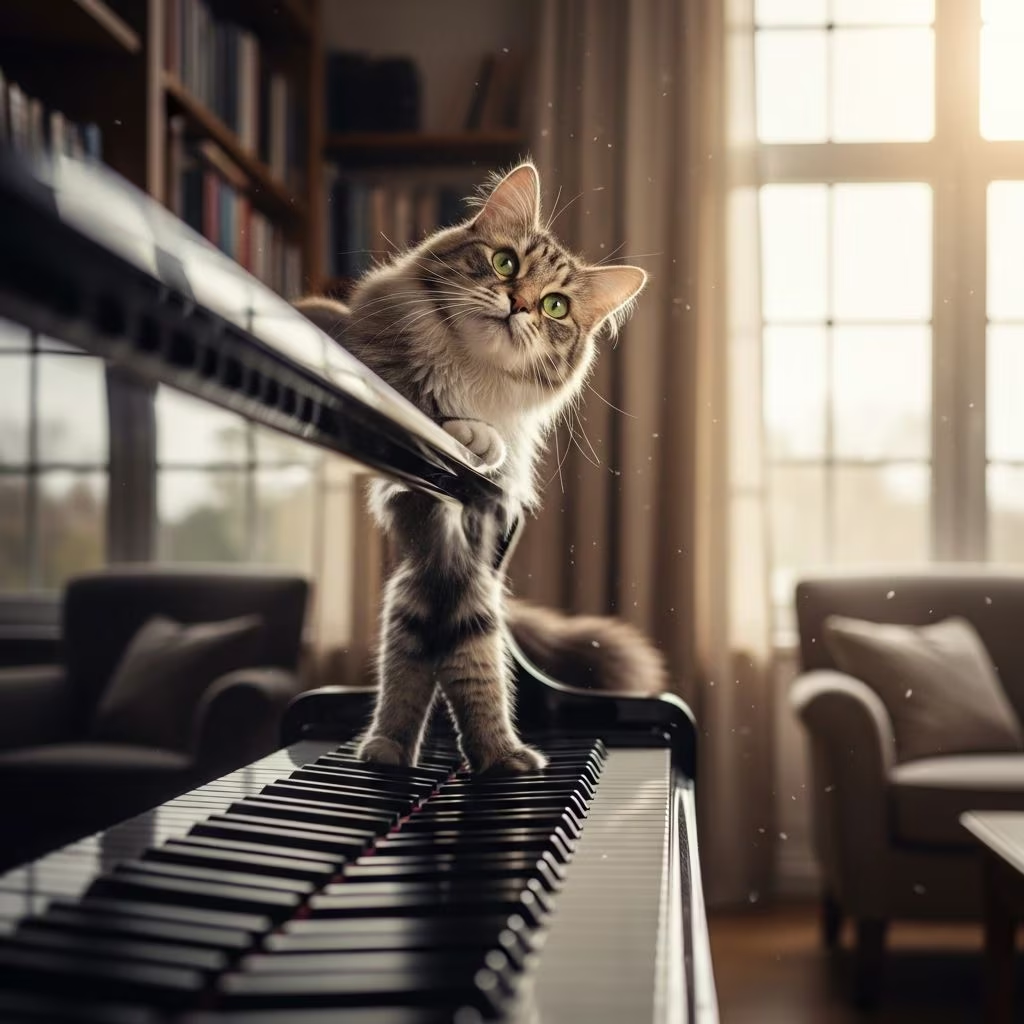
Cats often display intriguing behaviors around piano music, such as lounging nearby or even climbing on the instrument, suggesting they may enjoy certain sounds. Scientific studies and observations indicate that while cats perceive music differently from humans due to their acute hearing, they particularly respond positively to slower tempos and lower tones found in many piano pieces, especially classical compositions.
How Do Cats Hear Music?
Cats possess superior hearing compared to humans, detecting frequencies up to 64 kHz—far beyond the human range of 20 Hz to 20 kHz. Their ears can rotate up to 180 degrees, allowing them to pinpoint sounds within 0.06 seconds and discern tone differences as small as 1/10th, making music sound more intense or chaotic to them.
Upbeat or complex genres like jazz may overwhelm cats because of mixed tonalities and rapid changes, akin to humans entering a loud bar where conversation becomes strained. In contrast, piano music with steady, smooth notes aligns better with their sensory processing.
Do Cats Like Classical Music?
Yes, many cats show a preference for classical music, including piano performances. Studies reveal lower stress levels in cats exposed to classical music during surgery compared to pop or heavy metal, attributing this to slower tempos and lower tones that mimic calming natural sounds.
Anecdotal evidence supports this: cats like Dolly jump on pianos during classical sessions, rolling and sleeping atop them, but ignore jazz. Professional pianists Mariana and Dimcho report their cat Zlatko sleeping blissfully on the floor during practice, reacting negatively only to wrong notes, indicating discernment of classical structures.
Scientific Studies on Cats and Music
Research consistently shows music impacts feline stress. In one study, cats undergoing surgery had reduced stress with classical music, intermittent stress with pop, and highest with heavy metal.
Another compared stress during vet exams: species-appropriate music (mimicking purrs at 1380 BPM and nursing at 250 BPM) outperformed classical and silence. Cats approached speakers playing cat music, purring and rubbing, while classical elicited neutral responses.
Under anesthesia, pupil dilation indicated autonomic responses to music genres, with classical being less arousing than pop or metal. These findings suggest piano-based classical music calms via familiar frequencies.
What Kind of Music Do Cats Like?
Cats favor **species-appropriate music** incorporating natural and communicative sounds:
- Purring and suckling noises: Tempos matching purring (1380 BPM) and nursing (250 BPM) activate emotional centers.
- Glides and legato notes: Smooth transitions without abrupt breaks, common in piano.
- High-pitched chirps and rustles: Mimic hunting prey, sparking curiosity.
- Lower tones and slow tempos: Stress-reducing, as in classical piano.
Loud, fast, or banging sounds distress cats, while calm piano or meditation music relaxes them.
Music Specifically Composed for Cats
Composers create cat-specific tracks blending purrs, mews, trills, and nature sounds with piano-like undertones. These reduce stress more effectively than human music during exams or shelter stays.
Features include high-pitched hunting chirps and smooth glides. Classical undertones entertain humans alongside cats.
How Cats React to Piano Music: Real-Life Stories
Owners share captivating tales:
- Dolly leaps onto piano keys during classical lessons, naps on top, ignoring jazz—her fixture even for video calls.
- Zlatko, son of pianists Mariana and Dimcho, flops belly-up on the practice room floor for hours in winter, sleeping deeply to classical but fleeing wrong notes or guests.
- Many cats approach speakers with cat music, rub, and purr; classical prompts lounging.
Ideal reactions: approaching sources, rubbing, purring, or sleeping—signs of enjoyment or calm.
Why Might Cats Dislike Certain Music?
Cats may avoid music due to overwhelming frequencies, fast tempos, or harsh tones perceived as threats. Jazz’s tonal mixes sound noisy; heavy metal triggers fight-or-flight.
They process music as sounds, not melodies or harmonies—”musically sound blind” like behaviorally colorblind to hues.
Tips for Playing Music Your Cat Will Enjoy
| Tip | Why It Works | Examples |
|---|---|---|
| Start low volume | Prevents overwhelm | Ambient levels |
| Choose slow classical piano | Matches calming tempos | Beethoven, Chopin |
| Try cat-specific playlists | Mimics purrs/nursing | Spotify cat music |
| Observe reactions | Tailor to your cat | Sleeping = success |
| Play 1+ hour daily | Reduces chronic stress | Meditation tracks |
Monitor for stress signs like hiding; adjust accordingly.
Frequently Asked Questions (FAQs)
Do cats have favorite songs or artists?
No, cats respond to sounds, frequencies, and tempos, not human harmony or emotions.
Can music help stressed cats?
Yes, cat or classical music lowers stress during vets, surgery, or home.
Why does my cat sleep during piano?
Slow tempos and tones relax them, like therapy.
Is loud music harmful to cats?
Yes, intense volumes or fast beats cause stress.
What if my cat ignores music?
Neutral response is common with classical; try species-specific for engagement.
References
- Cats and Music—Why do Some Cats Love Classical Music? — My Lovely Feline. Accessed 2026. https://mylovelyfeline.com/blogs/content/cats-and-music-why-do-some-cats-love-classical-music
- Do Cats Like Listening to Music? — Rover.com. Accessed 2026. https://www.rover.com/blog/do-cats-like-music/
- Cat has hilarious reaction to piano — GeoBeats Animals (YouTube). 2025-11-25. https://www.youtube.com/watch?v=iFB25-5w8tQ
- Do Cats Like Music? — Cat Behavior Help. Accessed 2026. https://catbehaviorhelp.com/do-cats-like-music/



