

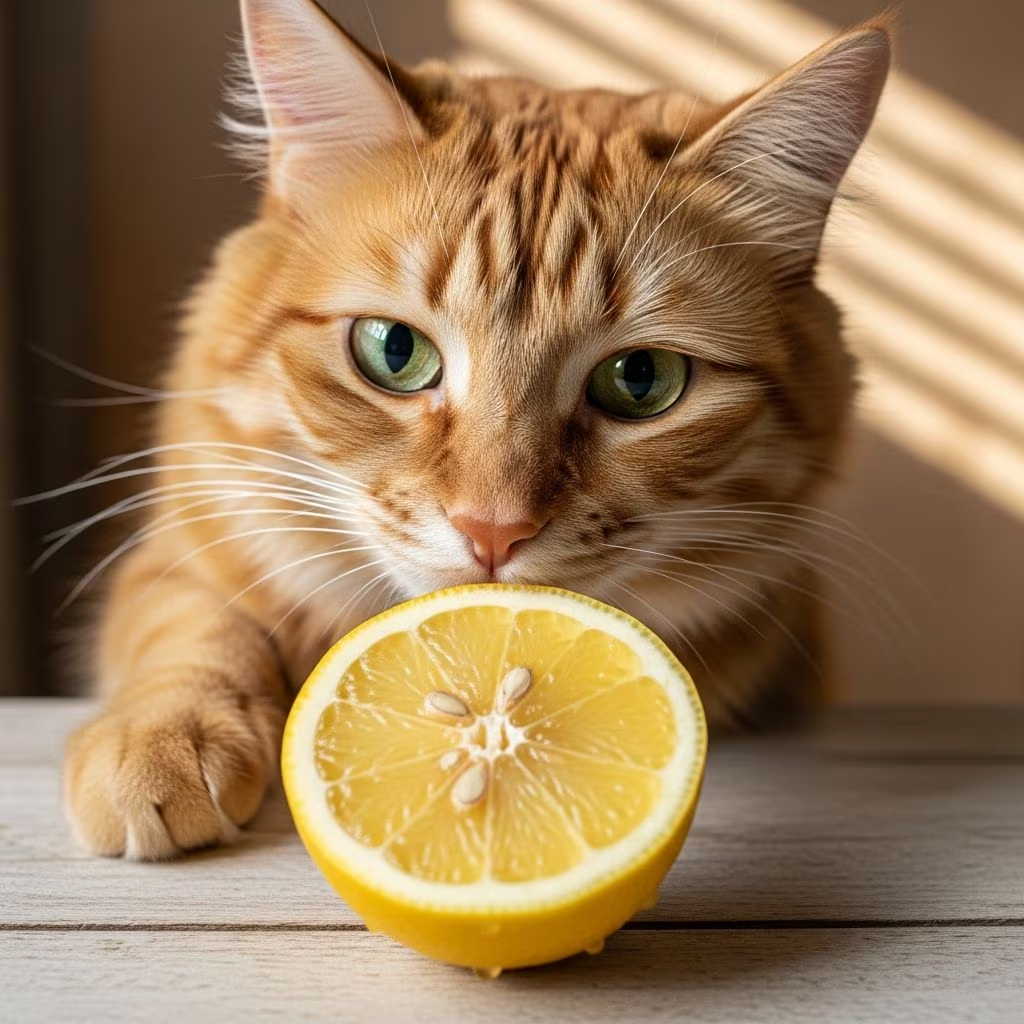
Cats generally do not like the scent of lemon due to their highly sensitive olfactory system, which finds citrus aromas overwhelming and irritating. While individual preferences vary, most felines actively avoid or show aversion to strong citrus smells like lemon, as supported by behavioral studies on cat olfaction.
Why Don’t Cats Like Lemon Scent?
Cats possess an extraordinary sense of smell, far superior to humans, with around 200 million olfactory receptors compared to our 5 million. This heightened sensitivity makes pungent scents like lemon, rich in limonene and other volatile compounds, intensely irritating. Research shows cats use olfaction to discriminate between familiar and novel stimuli, often spending less time near unfamiliar or aversive odors.
In ethological studies, cats exhibited lateralized nostril use when exposed to novel human odors, initially favoring the right nostril before shifting to the left, a pattern similar to responses to non-aversive novel stimuli including lemon in related canine research. Citrus scents trigger avoidance behaviors, as they instinctively perceive them as overpowering, potentially signaling danger in their environment.
- Overpowering Intensity: Lemon’s volatile oils irritate the nasal passages of cats.
- Instinctual Aversion: Wild ancestors avoided certain plants with strong scents for survival.
- Personality Influence: Some cats with higher neuroticism may react more busily to odors, amplifying dislike.
The Science Behind Cats’ Sense of Smell
Cats rely heavily on their olfactory system for navigation, communication, and environmental assessment. Studies demonstrate they sniff unknown odors longer than familiar ones, indicating active discrimination. When presented with human scents (known owner vs. unknown), cats prioritized novel smells, linking olfactory exploration to personality traits like impulsiveness.
Lateralization in nostril use—preferential right nostril for initial novel scent detection—mirrors vertebrate patterns and underscores specialized brain processing. Post-sniffing, cats often rub faces on objects, a marking behavior possibly triggered by exploratory olfaction. Lemon, as a novel and irritating stimulus akin to those tested, likely elicits similar avoidance rather than approach.
Personality plays a role: Male cats with higher neuroticism sniffed stimuli more repetitively, while agreeable ones were calmer. No direct cat-owner bond correlation appeared, suggesting innate olfactory preferences drive responses over relational factors.
Is Lemon Toxic to Cats?
Yes, lemon is toxic to cats if ingested or via concentrated exposure. Citrus fruits contain essential oils like limonene and linalool, plus psoralens, which cause gastrointestinal upset, vomiting, diarrhea, and dermatitis. Skin contact or inhalation of pure oils can lead to irritation, while ingestion risks central nervous system depression.
| Scent/Source | Reason for Aversion/Toxicity | Toxicity Level |
|---|---|---|
| Lemon/Citrus | Irritating volatile compounds (limonene) | Yes (ingestion/skin) |
| Essential Oils | Concentrated; overwhelms senses | High; avoid entirely |
| Diluted Peels | Mild deterrent | Low if not ingested |
Dogs show similar initial right-nostril responses to lemon among novel scents, implying cross-species olfactory processing. Cat owners should never use lemon essential oils as diffusers or direct applications, as they pose severe risks.
How Does Lemon Scent Affect Cats?
Exposure to lemon scent typically prompts avoidance: cats may flee, shake heads, paw at noses, or vocalize distress. In deterrence contexts, diluted citrus repels cats from off-limits areas like litter boxes or furniture, leveraging natural dislike without harm if properly diluted.
Behavioral observations note longer sniffing of unknowns but rapid disinterest in irritants. Rubbing post-exploration suggests marking unfamiliar scents, but aversive ones like lemon likely halt interaction early. Chronic exposure could stress sensitive cats, linking to elevated cortisol.
- Immediate Reactions: Retreat, sneezing, drooling.
- Long-term: Potential litter avoidance if overused as deterrent.
- Individual Variance: Bold cats might investigate briefly before rejecting.
Can You Use Lemon to Deter Cats?
Diluted lemon can safely deter cats from unwanted behaviors like scratching or inappropriate elimination. Simmer peels in water for a spray (strain before use), or mix with vinegar—non-toxic and effective. Avoid essentials; opt for peels only.
Applications include spraying furniture, garden borders, or plants. Cats hate citrus universally, alongside chili, onion, vinegar—irritants without toxicity in mild forms. Always test small areas and monitor for distress.
Safe Ways to Use Lemon Around Cats
To incorporate lemon without risk:
- Cleaning Sprays: Dilute heavily (1:10 water); dry thoroughly.
- Garden Deterrent: Scatter peels away from resting spots.
- Culinary: Keep fresh lemons inaccessible; discard rinds promptly.
- Alternatives: Vinegar, peppermint (diluted), or commercial pet-safe repellents.
Monitor for ingestion attempts. Veterinary consensus warns against any citrus oils.
What Scents Do Cats Hate? (Besides Lemon)
Cats share aversions to strong, unfamiliar scents signaling threat:
- Citrus Family: Orange, lime, grapefruit—overpowering.
- Spicy: Chili, pepper—irritate mucous membranes.
- Herbal: Eucalyptus, lavender (essential forms toxic).
- Household: Vinegar, onion, garlic (toxic if ingested).
These leverage innate dislikes for training, unlike attractants like catnip or silver vine.
FAQs
Do all cats hate lemon scent?
Most do due to sensitivity, but rare individuals tolerate mild exposure. Personality influences reactions.
Is lemon essential oil safe near cats?
No, it’s highly toxic—causes poisoning even via diffusion.
Can lemon peels deter cats humanely?
Yes, diluted peels work as mild repellents without harm.
Why do cats sniff new smells longer?
To discriminate familiar vs. novel; linked to brain lateralization.
What if my cat ate lemon?
Contact vet immediately—symptoms include vomiting, lethargy.
Conclusion
While cats’ superior olfaction aids survival, lemon’s intensity repels them. Use knowledge responsibly for harmony at home, prioritizing safety.
References
- Behavioral responses of domestic cats to human odor — PMC/NCBI. 2024. https://pmc.ncbi.nlm.nih.gov/articles/PMC12118816/
- Behavioral responses of domestic cats to human odor — PLOS One. 2024-10-16. https://journals.plos.org/plosone/article?id=10.1371/journal.pone.0324016
- What Smells Do Cats Hate? 19 Scents They’ll Avoid — Rover.com. 2023. https://www.rover.com/blog/smells-cats-hate/
- What Scents Do Cats Hate? This List Might Surprise You — Cats.com. 2024. https://cats.com/scents-cats-hate
- 5 Smells Cats Hate vs. Smells Cats Like — FrontPageMeews. 2023. https://frontpagemeews.com/category/cats/cat-behavior/enrichment-play/5-smells-cats-hate-vs-smells-cats-like/



