

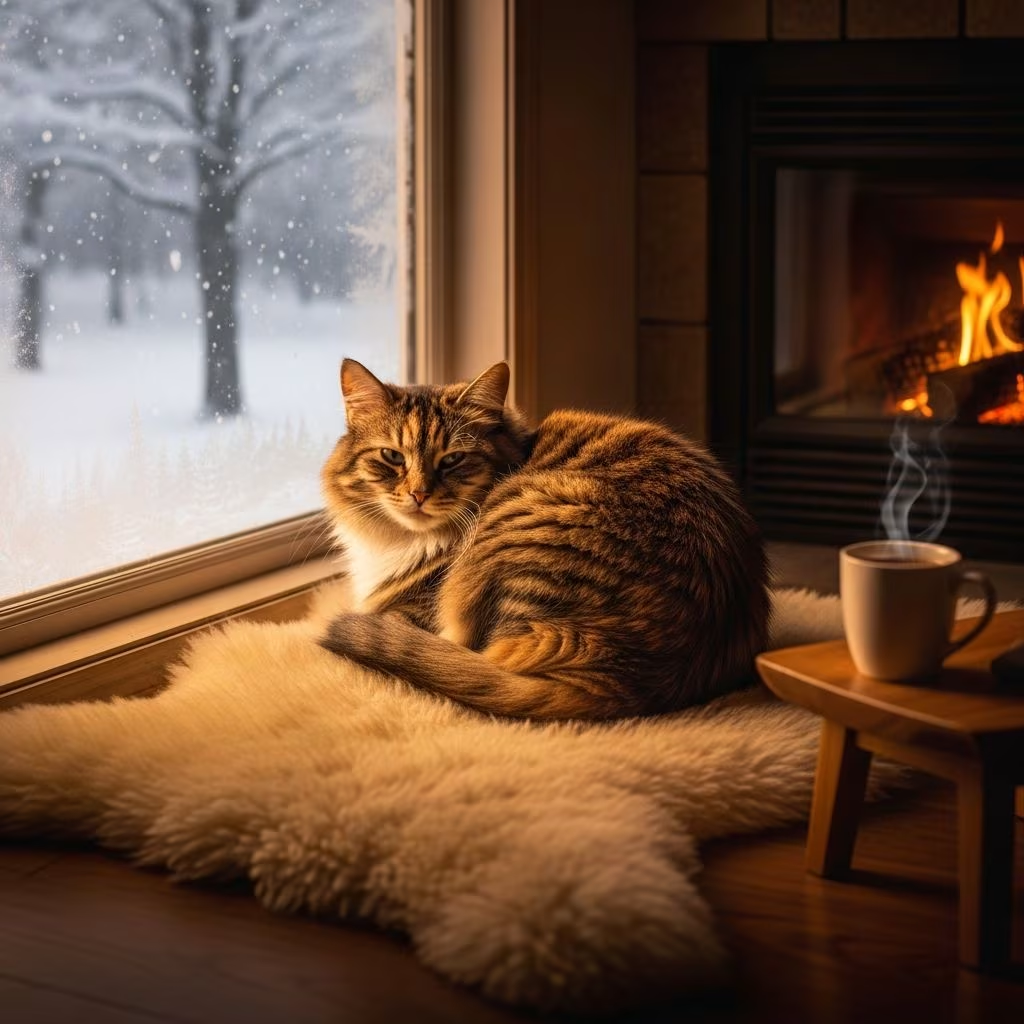
Cats generally do not like the cold and prefer warmer environments, as their ideal body temperature ranges from 100.4–102.5°F, higher than humans’. While some breeds tolerate chillier weather better, most cats seek warmth when temperatures drop below 45°F, showing discomfort through behaviors like curling into tight balls or huddling near heat sources.
Understanding your cat’s response to cold is crucial for their well-being, especially during winter. Outdoor and feral cats face greater risks, but even indoor felines can suffer in drafty homes. This article examines cat cold tolerance, signs of distress, health dangers, behavioral shifts, and practical care strategies to ensure your cat stays cozy and safe.
Do Cats Get Cold? Understanding Feline Cold Tolerance
Cats’ thick fur provides insulation, but it doesn’t make them impervious to cold. Prolonged exposure below 45°F poses risks, with temperatures under 32°F being life-threatening, particularly for kittens, seniors, or sick cats. Breeds like Norwegian Forest Cats or Siberians, evolved in colder climates, have thicker coats and paw pads for better tolerance, but average domestic cats struggle below 45°F.
Indoor cats may seem fine, but homes below 50°F can cause discomfort, leading them to burrow under blankets or linger on vents. Outdoor cats instinctively seek shelter under cars or buildings but remain vulnerable to harsh elements. A simple rule: if it’s too cold for you without proper gear, it’s too cold for your cat.
Signs Your Cat Is Too Cold
Cats mask cold discomfort better than dogs, rarely shivering until severely chilled. Early signs include seeking warm spots, reduced activity, and curling tightly with paws and tail tucked in. Advanced symptoms are shivering, lethargy, cool-to-touch skin, decreased appetite, disorientation, slow heart rate, and breathing issues—indicating hypothermia.
- Curling into a tight ball: Conserves heat by minimizing exposed surface area.
- Burrowing or huddling: Near radiators, laps, or blankets.
- Lethargy and shivering: Body struggling to maintain temperature.
- Frostbite indicators: Discolored, swollen ears, paws, or tail.
For indoor cats, constant heat-seeking signals a too-cold home. Check ears and paws; if cold, warm them gradually with blankets, avoiding direct heat to prevent burns.
Hypothermia in Cats: Risks and Symptoms
Hypothermia occurs when a cat’s body temperature drops below 99°F, a serious risk below freezing. Cats lose heat fastest through ears, paws, and tails due to thinner fur and vascular exposure.
Symptoms progress from mild (shivering, weakness) to severe (unconsciousness, organ failure). Risk factors include young age, illness, thin coats, or wet fur from snow. Emergency signs: severe lethargy, slow breathing, gum paleness. Act fast: warm gradually with body heat or warm (not hot) water bottles wrapped in towels, then seek veterinary care.
| Stage | Symptoms | Action |
|---|---|---|
| Mild | Shivering, curling up | Provide shelter, blankets |
| Moderate | Lethargy, weak pulse | Warm slowly, monitor |
| Severe | Unresponsive, slow breathing | Vet emergency immediately |
Prevention is key: limit outdoor time in cold snaps.
Frostbite in Cats: Prevention and Treatment
Frostbite affects extremities like ears, paws, and tails when tissues freeze. Signs include pale or red skin, swelling, pain upon thawing, and blackened tips in severe cases.
Breeds with less fur coverage are most vulnerable. Indoor cats risk it from brief outdoor escapes. Treatment: thaw with warm water (104–108°F), never rub; protect from refreezing and see a vet for pain management and antibiotics. Prevention involves insulated shelters and paw booties for outdoor cats.
How Cats Behave in Cold Weather
In winter, cats adapt instinctively. They sleep more to conserve energy, especially with shorter days. Appetite may increase for calorie needs to generate heat, but monitor to avoid obesity.
- Seeking warmth: Vents, sunny spots, laps, or under car hoods—always check before starting engines.
- Reduced outdoor play: Prefer indoors; provide toys for stimulation.
- Increased snuggling: Bonding time rises as they crave body heat.
- Possible depression-like signs: Less sunlight may cause lethargy, though not proven as SAD in cats.
Grooming combats dry skin from heated air; ensure hydration as dry indoor air leads to dehydration.
Do Cats Like Snow?
Most cats dislike snow due to wet paws and difficulty moving, originating from arid ancestors. Playful ones may bat at flakes briefly, but prolonged exposure risks hypothermia. Cold-hardy breeds like Maine Coons enjoy it more, but paw sensitivity makes snow uncomfortable for all. Keep outdoor time short and dry them upon return.
Keeping Indoor Cats Warm in Winter
Indoor cats thrive above 68°F but feel chill at 45–50°F. Provide heated beds, microfloss blankets, or pet-safe warming pads. Place beds near (not on) vents, use draft excluders, and maintain humidity with vaporizers.
- Cozy beds with self-warming fabric.
- Window perches for sunbathing.
- Snuggle tunnels or boxes lined with fleece.
- Regular brushing for coat health.
Arthritis worsens in cold; ramps aid mobility.
Protecting Outdoor and Feral Cats in Cold Weather
Feral cats need intervention below 32°F. Build insulated shelters from Styrofoam-lined totes or coolers with straw bedding (not blankets, as they freeze). Elevate off ground, face away from wind, place in quiet spots.
Feed high-calorie wet food warmed slightly; provide unfrozen water heaters. Trap-Neuter-Return programs help manage colonies humanely. Check under cars daily.
Winter Safety Tips for Cats
Beyond cold, winter hazards include antifreeze (sweet, toxic), rodenticides, and road salt irritating paws.
- Store toxins securely; use pet-safe de-icers.
- Paw wipes after walks.
- Insulate outdoor water bowls.
- Supervise near heaters to prevent burns.
Vet check-ups catch arthritis or coat issues early.
Frequently Asked Questions (FAQs)
What temperature is too cold for cats?
Temperatures below 45°F are risky; under 32°F is dangerous, especially prolonged.
Do cats get hypothermia easily?
Yes, outdoor or vulnerable cats can develop it quickly in freezing weather; watch for shivering and lethargy.
How can I tell if my indoor cat is cold?
They’ll curl tightly, seek vents, or shiver; keep homes above 68°F ideally.
Are there cats that like cold weather?
Breeds like Norwegian Forest Cats tolerate it better due to thick fur, but none truly ‘like’ extreme cold.
What should I do for feral cats in winter?
Provide insulated shelters, food, and water; contact rescues for aid.
References
- Cats and Cold Weather: How to Keep Feral and Outdoor Cats Warm — Belton Vet Clinic. 2023-12-15. https://www.beltonvetclinic.com/services/cats/blog/cats-and-cold-weather-how-keep-feral-and-outdoor-cats-warm-temperatures-drop
- Warm Whiskers and Winter Wonders: Navigating Your Cat’s Cold Weather Behavior — Waggle. 2024-11-20. https://mywaggle.com/blogs/pet-behaviour/warm-whiskers-and-winter-wonders-navigating-your-cats-cold-weather-behavior
- Do Cats Feel the Cold? — Purina. 2024-10-05. https://www.purina.com/articles/cat/behavior/understanding-cats/do-cats-get-cold
- How Cold Is Too Cold for Cats? — PetMD. 2025-01-10. https://www.petmd.com/cat/general-health/how-cold-is-too-cold-for-cats
- Cats and Snow: A Complicated Combination — Armarkat. 2023-11-28. https://www.armarkat.com/blog/cats-and-snow-a-complicated-combination/
- Do Cats Get Seasonal Depression? — Blue Cross. 2024-09-12. https://www.bluecross.org.uk/advice/cat/wellbeing-and-care/do-cats-get-seasonal-depression



