

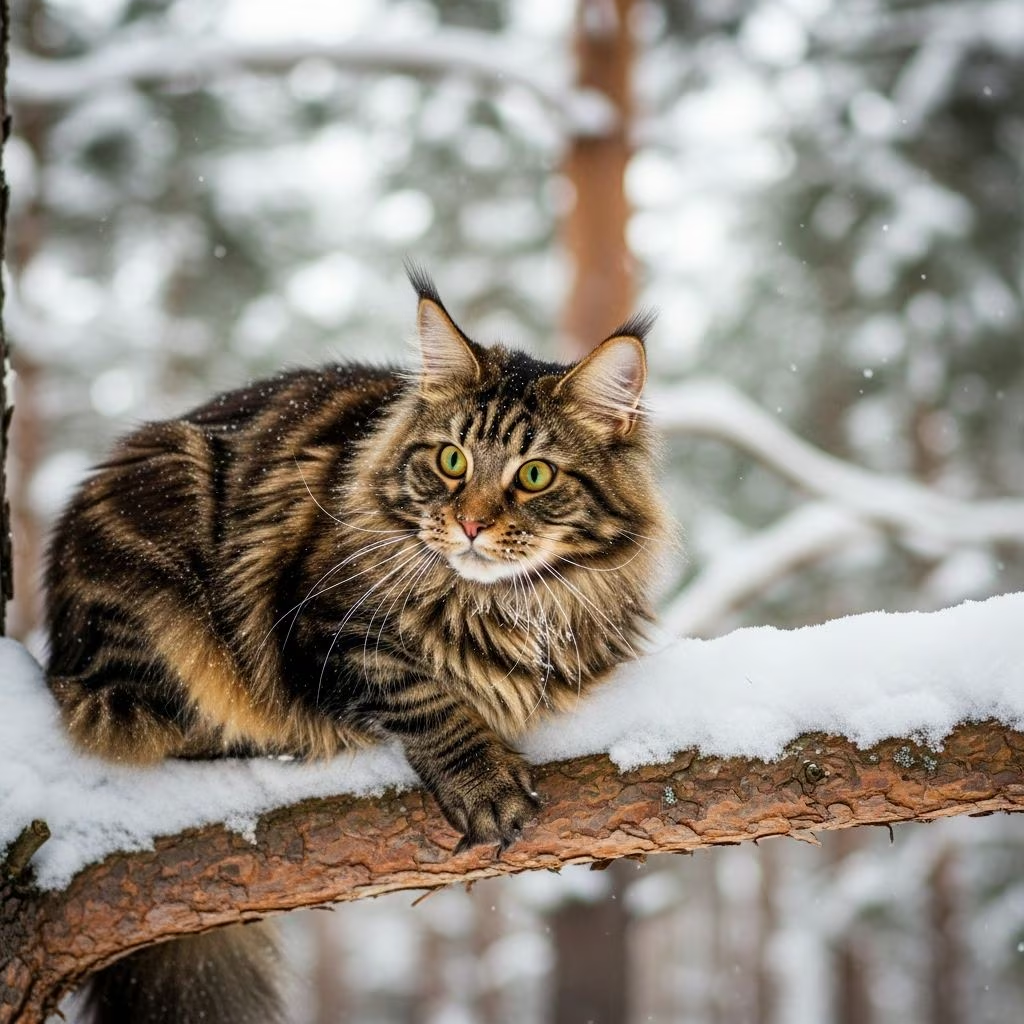
Cats exhibit varied reactions to snow, ranging from playful curiosity to aversion, largely influenced by breed, prior exposure, and individual personality. While many cats are initially fascinated by falling snowflakes, most prefer observing from indoors due to their sensitivity to cold and wet conditions.
Cat Reactions to Snow
Cats are naturally curious creatures, and snow often captivates them as a novel environmental change. Indoor cats frequently stare out windows in awe at the first snowfall, their wide eyes tracking flakes in pure wonder, which serves as visual stimulation and mental enrichment. This behavior stems from their innate hunting instincts, where movement triggers interest.
Upon first contact, cats may freeze in bewilderment before leaping playfully like rabbits across the snow, batting at flakes or pouncing on piles. This joyful exploration highlights their adventurous side, turning snow into a sensory playground of soft textures and novel sounds. However, curiosity quickly gives way if paws get wet or cold penetrates their fur, leading many to retreat indoors.
Do Indoor Cats Like Snow?
Indoor cats, sheltered from harsh weather, often show intense fascination with snow but hesitate to venture out. They perch on windowsills, transfixed by the white transformation outside, which can alleviate boredom by providing a dynamic view. Anecdotes describe house cats like Baku displaying uncharacteristic excitement, potty breaks turning into playful snow romps despite expectations of dislike.
Prolonged staring is normal and beneficial, offering soothing entertainment. However, balance it with indoor enrichment like puzzle feeders or interactive toys to prevent overstimulation fixation. These cats lack adaptation to cold, making outdoor snow exposure riskier without supervision.
Do Outdoor Cats Like Snow?
Outdoor cats, accustomed to varied weather, tolerate snow better, especially those in snowy regions. They may prowl through drifts, hunt in fresh powder, or simply navigate familiar territory under a white blanket. Habituation from kittenhood builds resilience, with thicker coats developing in high-mountain or rural cats.
Yet, even outdoor felines reduce activity in deep snow or extreme cold, preferring shelter during peak chill. Their paws, highly sensitive to temperature like human hands, signal discomfort quickly, prompting indoor returns. Personality plays a role; bold adventurers like tuxedo cat Luc-Luc insist on daily walks regardless of weather.
Cats that Like Snow vs. Cats that Don’t: Breed Differences
Individual preferences vary, but breed significantly influences snow affinity. Cats from arid origins dislike wet cold, as snow hinders movement and soaks fur. Exceptions include cold-adapted breeds:
- Norwegian Forest Cat: Thick water-repellent double coat and large, fur-tufted paws evolved for snowy Nordic forests; they thrive in cold.
- Siberian: Dense, triple-layered fur insulates against sub-zero temps, with hardy paw pads for insulation.
- Maine Coon: Large size and fluffy coats provide warmth; many enjoy winter hunts.
Conversely, breeds like Siamese or Sphynx shun snow due to thin fur or hairlessness, seeking heat sources indoors. Habitat matters: apartment dwellers resist cold more than farm cats.
Why Don’t Some Cats Like Snow?
Several factors deter cats from snow enjoyment. Primarily, their desert ancestry makes them averse to wetness; snow melts into cold water on paws, triggering retreat. Temperature sensitivity kicks in below 45°F (7°C), with kittens, seniors, or ill cats tolerating even less, risking hypothermia or frostbite on ears, tails, and toes.
Cold stiffens muscles, exacerbates arthritis, and prompts excessive indoor sleeping. Dry winter air worsens skin and coat issues, while reduced mobility frustrates active cats. Behavioral shifts include increased appetite for warmth generation and radiator lounging, risking burns.
Is Snow Dangerous for Cats?
Snow poses risks beyond chill. Hypothermia symptoms include shivering, lethargy, and slow breathing; frostbite causes discolored, swollen extremities. Road salts and ice-melters are toxic if ingested via paw-licking, causing burns, cracking, or poisoning—always rinse paws post-outing.
Antifreeze puddles lure cats with sweet taste, proving lethal. Outdoor cats face freezing under cars; bang hoods before starting engines. Indoor hazards include dry air dehydration and overheating on vents.
| Risk | Symptoms | Prevention |
|---|---|---|
| Hypothermia | Shivering, weakness | Limit exposure below 45°F |
| Frostbite | Skin discoloration | Protect paws/ears |
| Salt Toxicity | Vomiting, burns | Paw washing, booties |
| Antifreeze | Kidney failure | Secure garages |
How to Keep Your Cat Safe in the Snow
Supervise short outings, especially for novices. Wipe paws dry immediately to prevent chills or salt ingestion; use booties for protection. Provide outdoor shelters with insulating bedding, unfreezable water bowls (thick plastic), and food.
Indoors, offer heated beds, window perches for snow views, and barriers around radiators. Boost hydration with fountains, groom for coat health, and monitor arthritis signs like limping. Enrich with toys mimicking snow play, like crinkly balls.
How to Let Cats Enjoy Snow Safely
Create controlled fun: Bring snow indoors in a tray for batting, or leash-train for supervised walks. Breeds like Norwegian Forest Cats revel longer; watch for distress cues like tucked tails.
For indoor-only cats, simulate with feather wands or laser pointers evoking falling flakes. Rotate activities to sustain interest, ensuring winter remains engaging without risks.
Cat Winter Behavior Changes
Winter alters feline habits profoundly. Cats seek snuggle spots near vents or blankets, sleep more due to shorter days, and eat heartily for insulation. Hydration drops in dry air; offer multiple fresh water stations.
Behavioral shifts include vocalization for attention and reduced play unless prompted. Counter with indoor exercise to combat weight gain and lethargy.
FAQs
Do cats like snow?
Many cats enjoy snow’s novelty playfully at first, but most dislike prolonged cold and wetness, preferring indoor viewing.
Why do indoor cats stare at snow?
Snow provides visual stimulation and environmental change, satisfying curiosity and reducing boredom.
Is snow toxic to cats?
Snow itself isn’t, but salts, chemicals, and antifreeze are; always clean paws.
What breeds like snow?
Norwegian Forest, Siberian, and Maine Coon breeds tolerate it best due to thick coats.
How cold is too cold for cats?
Below 45°F risks most adults; vulnerable cats need indoors sooner.
Can cats get frostbite?
Yes, ears, tails, and paws are susceptible in freezing temps.
References
- Cats and Snow – Cats Behavior When It Snows — Ferplast Blog. 2023-12-15. https://blog.ferplast.com/en/cats-and-snow-cats-behavior-when-it-snows/
- Cats and Snow: A Complicated Combination — Armarkat Blog. 2024-11-20. https://www.armarkat.com/blog/cats-and-snow-a-complicated-combination/
- Indoor Cats Snow Staring: Boredom? — Dialavet Vet Answers. 2024-01-10. https://www.dialavet.com/vet-answers/post/indoor-cats-snow-staring-boredom-152189
- Warm Whiskers and Winter Wonders: Cat’s Cold Weather Behavior — Waggle Pet Monitor Blog. 2024-10-05. https://mywaggle.com/blogs/pet-behaviour/warm-whiskers-and-winter-wonders-navigating-your-cats-cold-weather-behavior



