

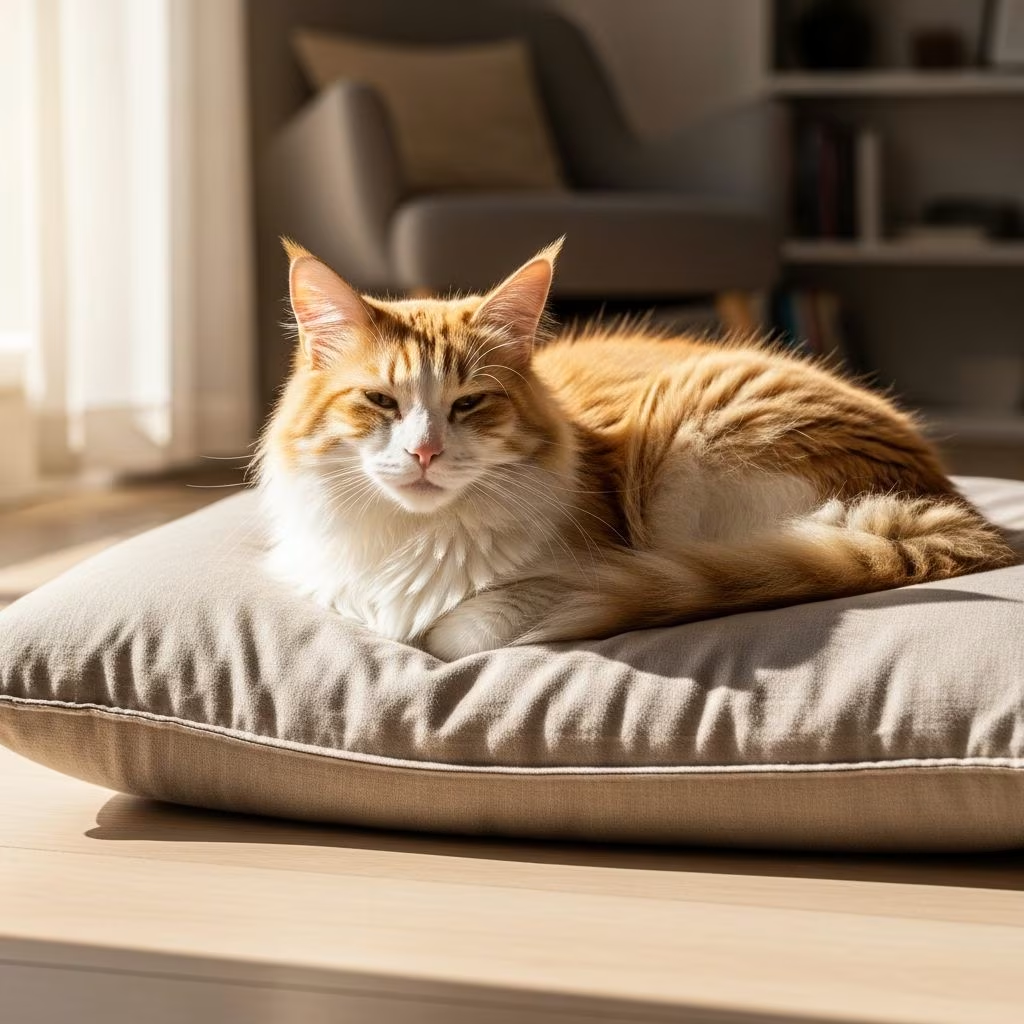
Cats often show a strong affinity for pillows, seeking them out for enhanced comfort, warmth, and security during their extensive daily sleep cycles, which average 12–16 hours.
While not every cat will claim a pillow as their throne, many gravitate toward these soft elevations instinctively, mirroring behaviors from their wild ancestors who nestled into padded natural spots like leaves or moss. This article delves into the science-backed reasons cats love pillows, weighing the benefits and risks, recommending the best options, and addressing common concerns to help you decide if your cat needs one.
Why Do Cats Like Pillows?
Cats’ preference for pillows stems from deep-rooted instincts and practical benefits that align with their physiological and behavioral needs. Modern domestic cats retain over 85% of the sleep traits of their wild predecessors, including a drive for warmth, elevation, and enclosed comfort, as noted in research from Nature Ecology & Evolution.
Here are the primary reasons cats cozy up to pillows:
- Warmth and Insulation: Cats maintain a body temperature of 100.4°F–102.5°F (38°C–39.1°C) and thrive in their thermoneutral zone of 86°F–100.4°F (30°C–38°C). Pillows, especially those warmed by human use, provide superior insulation against cold floors.
- Scent Marking and Familiarity: Cats rub scent glands from their cheeks, paws, and flanks on pillows, creating a personalized territory that boosts emotional security. A familiar scent can calm anxious cats more effectively than a sterile new bed.
- Joint and Spine Support: Aging cats or those with arthritis benefit from moderately firm pillows that alleviate pressure on hips and spines, promoting deeper rest.
- Elevated Vantage Points: Pillows offer a slight head elevation, allowing cats to survey their surroundings—a survival instinct even during naps.
- Affection and Bonding: Sleeping on or near human pillows signals love and trust, as cats nuzzle close to their primary caregiver for reassurance.
A 2021 Catster survey found 38% of owners reported cats using pillows as headrests, with 22% sharing human pillows nightly, underscoring this widespread behavior.
Do Cats Need Pillows?
Pillows are not biologically essential for cats, who can nap on hard surfaces if needed. However, they enhance sleep quality for many, particularly in modern homes with cooler floors.
Wild cats historically bunked on bundled hay, moss, or human bedding in ancient Egyptian homes, seeking similar soft support. Today, pillows mimic these comforts, but observe your cat: if they knead, circle, or claim fabrics, a pillow could elevate their rest from adequate to luxurious.
Pros and Cons of Cats Using Pillows
Providing a pillow involves trade-offs. Below is a comparison table summarizing key advantages and disadvantages:
| Pros | Cons |
|---|---|
| Improved Sleep Quality: Deeper, longer sleep on heat-retaining pads. | Allergy Risks: Dust mites or synthetics may irritate sensitive cats. |
| Senior Cat Support: Pressure relief for arthritis via memory foam-like cushions. | Overheating: Traps heat for fluffy breeds like Maine Coons. |
| Stress Reduction: Scented familiarity soothes anxiety during changes. | Chewing Hazards: Kittens may ingest stuffing, risking choking. |
| Versatility: Portable for nap spot shifts. | Territorial Fights: Sparks disputes in multi-cat homes. |
Overall, benefits often outweigh risks for indoor cats without sensitivities, but tailor to your pet’s profile.
Best Pillows for Cats
Select cat-safe pillows prioritizing durability, breathability, and washability. Avoid human pillows due to allergens and overnight activity disrupting your sleep.
- Memory Foam Orthopedic: Ideal for seniors; contours to joints without flattening.
- Fleece or Microfiber: Soft, scent-absorbent, machine-washable for easy maintenance.
- Donut or Bolster Styles: Provide headrests and nesting security.
- Breathable Cotton: Prevents overheating in warm climates.
Placement matters: elevate near windows for views or in quiet corners. Test by offering temporarily—cats’ selectivity will guide you.
When Should You Avoid Giving Your Cat a Pillow?
Not all scenarios suit pillows. Steer clear if:
- Your cat is outdoor-access: Moisture invites mildew and pests.
- Skin conditions present: Fabrics trap oils, worsening irritation.
- Chewing/shredding habits exist: Synthetic fills pose ingestion dangers, as noted by Cornell Feline Health Center.
- Kittens under 8 weeks: Risk of entrapment or smothering.
- Multi-cat tension: Prevents resource guarding.
Monitor for signs like sneezing or lethargy post-pillow introduction, and consult a vet for persistent issues.
Why Does My Cat Sleep on My Pillow Specifically?
Your pillow holds unique appeal: residual head heat makes it the warmest bed spot, while proximity fosters bonding—purring and kneading affirm affection.
It also asserts dominance (top cat claims prime real estate) and provides security during stress, as cats view owners as protectors. A 2018 study highlighted high sociability in co-sleeping cats. If disruptive, redirect to a similar alternative nearby.
Frequently Asked Questions
Do all cats like pillows?
No, preferences vary; some prefer cat trees or comforters, but many seek pillow-like softness.
Is it safe for cats to sleep on human pillows?
Generally yes for bonding, but risks include allergies, disrupted sleep, and territorial issues—opt for cat-dedicated ones.
Why do cats knead pillows?
Kneading releases endorphins, mimics nursing, and marks territory with scent glands.
Can pillows help cats with anxiety?
Yes, familiar-scented pillows provide comfort, reducing stress in anxious or relocated cats.
What if my cat chews pillows?
Switch to chew-resistant materials or remove access; monitor for pica, consulting a vet if persistent.
Understanding Cat Social Behaviors with Pillows
Beyond solo use, cats may use companions as ‘pillows’ in affiliative bonding, even in heat, per PMC research on feline social organization—indicating trust over thermoregulation.
This underscores pillows as extensions of social comfort in human-cat bonds.
References
- Should Cats Have Pillows? The Truth About Feline Comfort and Sleep — Pet Care Shed. 2023. https://petcareshed.com.au/blogs/pet-supplies/should-cats-have-pillows
- Why Does My Cat Sleep On My Pillow? 5 Reasons Why! — Cats.com. 2023. https://cats.com/why-does-my-cat-sleep-on-my-pillow
- Do Cats Like Pillows? Vet-Reviewed Behavior Science & Info — Catster. 2023. https://www.catster.com/cat-behavior/do-cats-like-pillows/
- Social organization in the cat: A modern understanding — PMC / National Center for Biotechnology Information. 2024-01-15. https://pmc.ncbi.nlm.nih.gov/articles/PMC10822437/
- Feline Behavior Problems: Destructive Behavior — Cornell University College of Veterinary Medicine. 2023. https://www.vet.cornell.edu/departments-centers-and-institutes/cornell-feline-health-center/health-information/feline-health-topics/feline-behavior-problems-destructive-behavior
- Where Your Cat Sleeps on Your Bed and What It Means — The Cattopia. 2023. https://www.thecattopia.com/blog/where-your-cat-sleeps-on-your-bed-and-what-it-means/



