

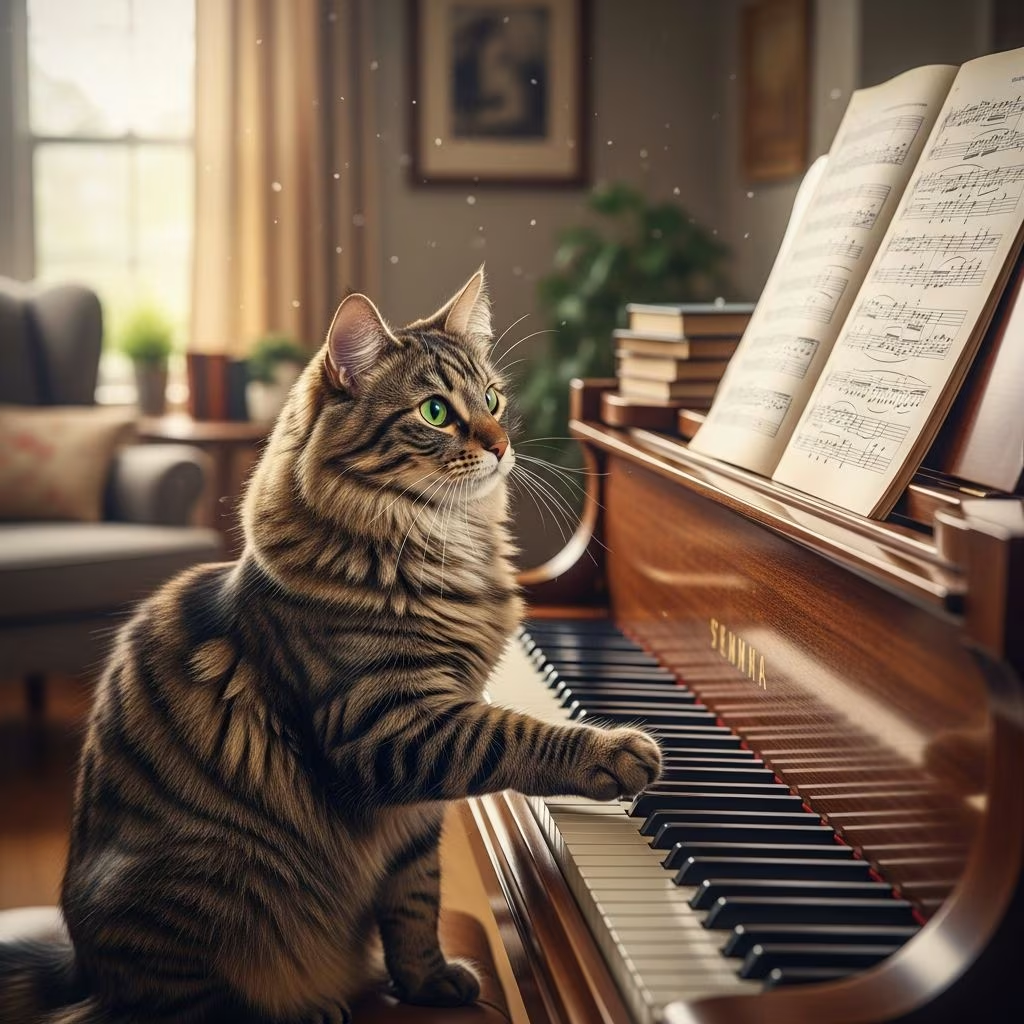
Do Cats Like Piano Music? Vet-Verified Facts
With a sense of hearing that is at least three times more sensitive than humans, cats pick up on many sounds that we don’t. They may be intrigued by the sound of a mouse squeaking inside your walls, but have you ever wondered how your cat feels about distinctly human noises, such as piano music? Every kitty is different, of course, but research suggests that cats find some piano music soothing. This article explores what science tells us about cats and music, including how your pet could benefit from listening to piano melodies and other audio enrichment.
Cats and Piano Music: What the Science Says
Traditionally, it’s been thought that certain types of music, such as classical and piano, are soothing to cats and dogs. For example, experts often suggest playing music to drown out the scary sound of thunderstorms or fireworks. Animal shelters may play classical music to calm down the stressed cats in their care. But what does scientific research actually tell us about this common belief?
Research From England
Two scientific studies from the past few years offer some insight into music’s impact on cats. In 2015, researchers in England studied how cats undergoing surgery responded to three genres of music: classical, pop, and heavy metal. Based on physical responses like breathing rate, they determined that classical music most soothed the cats. The piece used in the research was heavy on strings instead of piano, but a soothing melody may come from either instrument. The study provided valuable evidence that cats do respond differently to various musical genres, with classical music producing measurably calming effects during stressful situations.
Research From Wisconsin
Further insight into the types of music cats enjoy came that same year from scientists at the University of Wisconsin. These researchers discovered that cats respond best to music with the same frequency and tempo they would naturally use to communicate. This groundbreaking finding led to a major shift in understanding feline musical preferences. With this knowledge, composers have created music, often including piano melodies, specifically for cats. Cats tend to be much more interested and entertained by this species-specific music. The research demonstrated that when music mirrors the natural vocalizations and communication patterns of cats, they show significantly increased engagement and positive responses compared to traditional human-composed music.
Understanding Feline Hearing Capabilities
To understand why cats respond to certain types of music differently than humans, it’s essential to recognize how their hearing differs from ours. Cats’ ears are remarkably sophisticated instruments. Their ears can rotate up to 180 degrees, allowing them to pinpoint sounds with incredible precision. Cats can detect differences in tone as small as 1/10 of a human’s capability, allowing them to pinpoint the location of a sound within three feet in only 0.06 seconds. This heightened sensitivity means that what sounds pleasant and moderate to human ears can sound intense and even painful to cats.
When you play upbeat music with high volumes, it could cause your cat unnecessary stress because the music sounds different and more intense to them. The best way to compare it to their hearing is to think about your response walking into a bar or restaurant with really loud music—it feels intense and almost painful, and makes it difficult to hear people talking and can even make your head throb. For cats, everyday noises and music can feel this overwhelming.
How Piano Music Could Benefit Your Cat
Piano music, especially sounds designed specifically for cats, may offer several benefits for your feline companion. Consider these potential advantages:
- Enrichment and Entertainment: If your cat is left alone during the day, it is essential to provide enrichment and stimulation to keep them busy and entertained. That includes offering toys, food, and visual enrichment, such as a window to look out of. It could also include sound enrichment, such as recordings of nature sounds or cat-specific piano music.
- Anxiety Reduction: Because your cat’s hearing is so sensitive, they could become scared or anxious by noise outside the house, such as construction or barking dogs. Consider playing calming classical or piano music to help soothe your kitty and drown out these sounds. The consistent, predictable nature of piano melodies can help mask sudden, startling noises.
- Better Sleep Quality: Some cats show improved sleep patterns when listening to calming piano music, potentially because the soothing tones relax their nervous system and create a sense of security.
- Stress Management During Veterinary Visits: Research has shown that playing calming music during stressful situations, such as veterinary exams or transportation, can help reduce a cat’s stress levels and physiological responses.
Species-Specific Music for Cats
One of the most significant discoveries in feline music research is that cats respond best to music composed specifically for them. Unlike human music, species-specific cat music incorporates several key elements:
- Purring sounds and suckling sounds combined with appropriate frequencies
- Tempos that match natural cat vocalizations (approximately 1380 BPM for purring and 250 BPM for nursing)
- Frequencies that cats naturally use when communicating with each other
- Instruments that mimic sounds found in nature or cat communications
Studies comparing stress levels during a cat’s physical exam with cat-specific music, classical music, and silence found that cat-specific music decreased stress the most. This specialized music is particularly effective because it triggers positive associations with comfort and safety rather than simply providing a calming background noise.
Choosing Piano Music for Your Cat
If you’re interested in introducing piano music to your cat, follow these guidelines for the best results:
Prioritize Species-Specific Compositions
If possible, play your cat piano music composed specifically for them, as outlined by the research studies mentioned. This music has been scientifically designed to match feline communication patterns and preferences.
Select Peaceful, Quiet Melodies
Besides species-specific music, your cat is likelier to enjoy quiet, peaceful melodies rather than stirring and emotional compositions. Avoid music with sudden tempo changes, loud crescendos, or intense emotional builds that might startle or stress your pet.
Keep the Volume Low
Remember, your cat’s ears are better than yours, and a song that you find enjoyable could be too loud and painful for your kitty. Keep the volume low when you play music for your cat. It’s more the consistency and the soothing tempo your cat will respond to if they like the sound of piano music. Consider starting at a volume that’s barely audible to you and observing your cat’s reaction before adjusting.
Observe Your Cat’s Response
Your cat’s personality will play a role in whether they enjoy the sound of piano music. Science suggests they will, but cats have been known to behave unexpectedly, as most kitty owners know all too well. Cats that seem interested or unbothered by the sound may enjoy having music playing while you’re away. However, if your cat hides or seems stressed by the unfamiliar piano sounds, consider other options for sound enrichment, such as nature noises.
What Piano Music Do Cats Actually Like?
Understanding the specific characteristics of music that appeal to cats can help you make better choices for your pet. Cats don’t respond to music based on emotional content or artistic merit the way humans do. Instead, they respond to specific acoustic properties:
| Musical Characteristic | Cat Response |
|---|---|
| Low to moderate frequencies | Calming and stress-reducing |
| Slow to moderate tempos | Soothing and relaxing |
| High-pitched tones and chirping | Attention-capturing (hunting sounds) |
| Loud banging or extremely high frequencies | Stressful or distressing |
| Fast tempos | Can cause excitement or stress |
Common Cat Reactions to Piano Music
Cats display various reactions to piano music, and understanding these responses can help you determine whether your cat enjoys it. Common positive responses include:
- Approaching the source of the music
- Purring or rubbing against speakers or the piano
- Lying down and relaxing
- Falling asleep
- Increased grooming behavior
- Rubbing their scent on objects (a sign of contentment and familiarity)
Negative responses, which indicate your cat is not enjoying the music, include hiding, hissing, ears pinning back, or attempting to leave the room. If your cat consistently shows negative responses, it’s best to discontinue playing music and try alternative forms of sound enrichment instead.
Frequently Asked Questions (FAQs)
Q: Can piano music hurt my cat’s hearing?
A: When played at appropriate volumes, piano music should not hurt your cat’s hearing. However, because cats have much more sensitive hearing than humans, loud volumes can be uncomfortable or harmful. Always keep music at low volumes and monitor your cat’s behavior for signs of distress.
Q: How long should I play piano music for my cat?
A: There’s no strict time limit, but start with short sessions of 15-30 minutes and observe your cat’s response. Some cats may enjoy longer listening sessions, while others prefer brief exposure. Remove the music if your cat shows signs of stress or disinterest.
Q: Is classical piano music better than other types for cats?
A: While classical music, especially with slower tempos, is generally calming for cats, species-specific music composed for cats is even more effective at reducing stress and increasing positive engagement. However, classical piano music is still a good option if species-specific music is unavailable.
Q: Will my cat enjoy the same piano music I do?
A: Probably not. Cats don’t appreciate music the way humans do, and they respond to specific acoustic properties rather than emotional or artistic content. Your cat’s preferences are based on frequencies and tempos, not on melody or harmony as you experience them.
Q: Are there alternatives to piano music for enriching my cat?
A: Yes! Other sound enrichment options include nature sounds, bird chirping recordings, water sounds, or specialized cat music. You can also provide visual enrichment through windows, toys, or cat-specific television programs designed to engage their hunting instincts.
Q: Can piano music help with my cat’s anxiety during fireworks or thunderstorms?
A: Yes, playing calming piano or classical music during frightening events can help mask the scary sounds and create a more soothing environment. However, also ensure your cat has a safe hiding space where they feel secure, as music alone may not be sufficient for severely anxious cats.
Conclusion
Your cat’s personality will play a role in whether they enjoy the sound of piano music. Science suggests they will, but cats have been known to behave unexpectedly, as most kitty owners know all too well. If you want to try playing piano music the next time your cat is left alone, play some while you’re home and observe how your cat responds first. Cats that seem interested or unbothered by the sound may enjoy having music playing while you’re away. However, if your cat hides or seems stressed by the unfamiliar piano sounds, consider other options for sound enrichment, such as nature noises. The key is understanding that your individual cat’s preferences matter most, and what works for one feline may not work for another.
References
- Do Cats Like the Sound of Piano Music? Vet-Verified Facts — Catster. 2024. https://www.catster.com/lifestyle/do-cats-like-the-sound-of-piano-music/
- Cats and Music—Why do Some Cats Love Classical Music? — My Lovely Feline. 2024. https://mylovelyfeline.com/blogs/content/cats-and-music-why-do-some-cats-love-classical-music
- Do Cats Like Listening to Music? — Rover. 2024. https://www.rover.com/blog/do-cats-like-music/
- Do Cats Like Music? — Cat Behavior Help. 2024. https://catbehaviorhelp.com/do-cats-like-music/



