

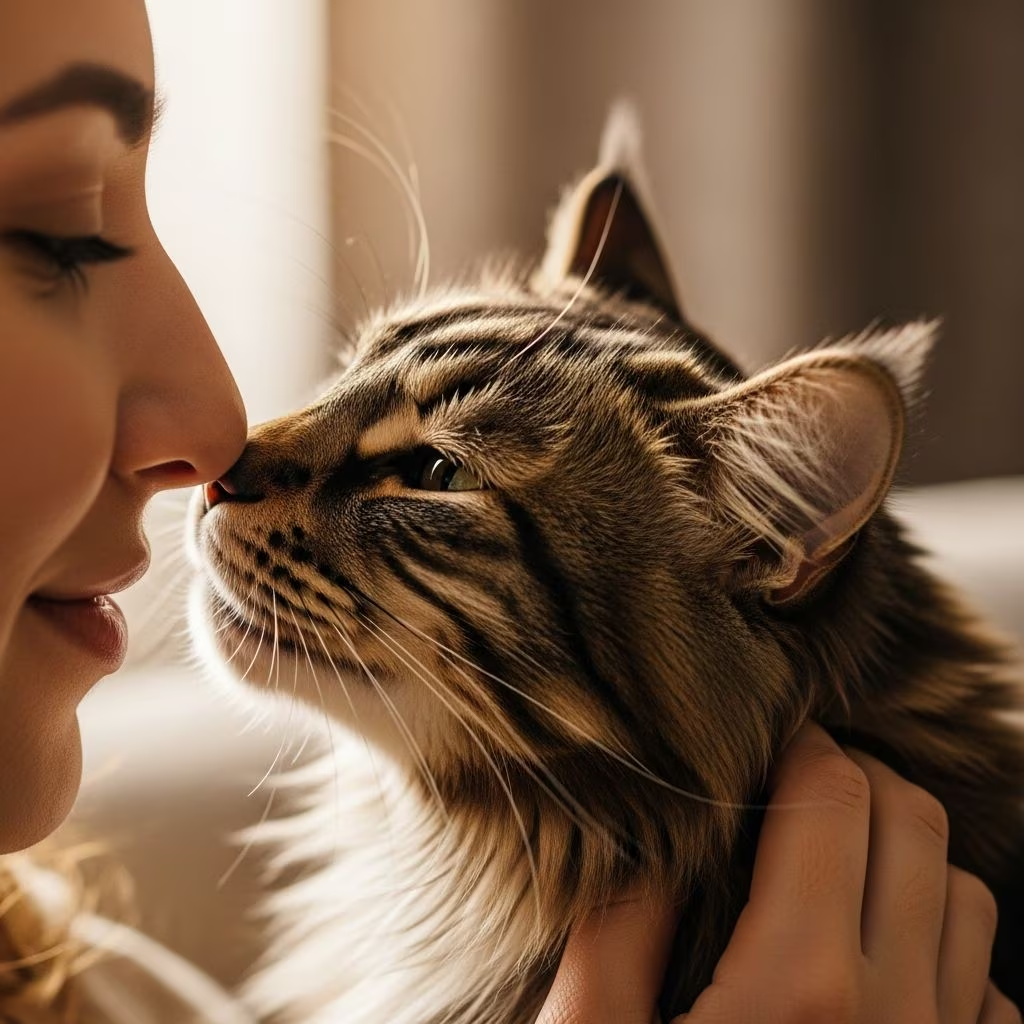
Do Cats Like Kisses? Understanding Feline Affection
As a cat owner, you’ve likely wondered whether your furry companion enjoys the kisses and physical affection you shower them with. The answer isn’t as straightforward as a simple yes or no. While cats may not comprehend kissing in the same way humans do, they are capable of sensing the emotion and intent behind the gesture. Understanding how your cat interprets affection is crucial for building a stronger bond and ensuring their emotional well-being.
Do Cats Understand Kisses?
The simple answer is no, cats do not understand kisses the way humans do. Kissing is not an innate feline behavior, and cats do not kiss other cats to express social bonding or affection. When you pucker your lips and press them against your cat, your feline friend isn’t interpreting this gesture through a human lens of romance or familial love.
However, this doesn’t mean your cat is completely oblivious to what you’re doing. While cats may not grasp the specific meaning of a kiss, many can perceive the emotion and positive energy behind the gesture. Cats are remarkably sensitive to human emotions and physical contact. They often interpret a human kiss as a form of close physical contact combined with an exchange of scent—both of which are important social markers in the feline world.
A quick, gentle press of your face against your cat’s fur is typically seen as a harmless, close greeting rather than an invasive threat. If your kiss is paired with cuddles, petting, or treats in a calm environment, your cat may begin to associate that action with something positive, even if they don’t understand the specific meaning behind it.
How Cats Show Affection Differently
Rather than kissing, cats have developed their own unique communication methods to express affection and bond with their owners. These behaviors are deeply rooted in their instinctual communication styles and are far more meaningful to them than a human kiss.
- Slow Blinking: Often referred to as the “cat kiss” or “I love you” signal, this is one of the most significant signs of feline affection. When your cat slowly closes and opens its eyes while looking at you, it signals ultimate trust and relaxation. This gesture is a powerful indicator that your cat feels safe and loved in your presence.
- Head Bunting: When your cat rubs their face against you or your belongings, they’re engaging in head bunting. This behavior deposits their scent glands’ secretions, marking you as part of their inner social circle. It’s a sign that your cat views you as family and feels comfortable around you.
- Purring: The classic rumbling sound of a purring cat indicates contentment and relaxation. Cats purr when they feel safe, comfortable, and happy. If your cat purrs while you’re petting them or near them, it’s a clear sign of affection.
- Kneading: When cats knead their paws on your lap or against your body, they’re expressing comfort and contentment. This behavior stems from kittenhood when they would knead their mother while nursing. If your cat kneads on you, they’re showing deep affection.
- Following You: If your cat follows you from room to room, even to the bathroom, they’re seeking your attention and company. This is their way of showing that they enjoy your presence and want to be near you.
- Licking and Grooming: When cats lick you or groom your hair or skin, they’re engaging in allogrooming, a form of social bonding. This behavior indicates that your cat considers you part of their family group.
- Bringing Gifts: While you might not appreciate a dead mouse on your doorstep, this behavior is actually a sign of affection. Your cat is sharing their “hunting success” with you, viewing you as a family member worthy of caring for.
How Cats React to Kisses: Positive and Negative Responses
The reaction of a kissed cat can vary widely based on their personality, past experiences, and current mood. It’s essential to pay attention to your cat’s body language to understand whether they’re enjoying the affection or feeling uncomfortable.
Signs Your Cat Enjoys Kisses
If your cat likes being kissed, you’ll likely notice these positive indicators:
- Leaning into the kiss or moving closer to your face
- Purring or kneading while you’re kissing them
- Giving you a slow blink after the kiss
- Not moving away or showing signs of discomfort
- Remaining relaxed with normal ear and tail positioning
- Rubbing their head against you in return
Signs Your Cat Dislikes Kisses
Some cats may react negatively to kisses. Signs of discomfort or annoyance include:
- Backing away or turning their head
- Hissing or growling
- Swatting or attempting to scratch
- Flattening their ears against their head
- Twitching or swishing their tail rapidly
- Attempts to escape or jump away
- Dilated pupils or wide eyes
This negative reaction doesn’t necessarily mean your cat doesn’t love you—it simply means they have a personal preference about physical contact and boundaries. Respecting these boundaries is crucial for maintaining a healthy relationship with your feline companion.
Do Cats Like Being Kissed on Specific Body Parts?
If you’re going to kiss your cat, certain areas of their body are more acceptable than others. Most cats tolerate or even enjoy kisses on specific locations:
| Body Part | Reception | Why |
|---|---|---|
| Head | Generally Well-Received | Safe distance from sensitive areas; many cats have scent glands here |
| Cheeks | Often Enjoyed | Close proximity to scent glands; less intrusive |
| Forehead | Usually Tolerated | Non-threatening area; similar to head bunting |
| Lips/Mouth | Strongly Discouraged | Highly invasive; hygiene risks and stress triggers |
| Paws | Often Disliked | Sensitive area; cats are protective of their paws |
| Belly | Usually Disliked | Vulnerable area; many cats don’t like belly exposure |
Most cats respond best to kisses on their head or cheeks, where they have scent glands. These areas are less intrusive and can provide comfort when approached gently. However, this varies from cat to cat, and some may prefer not to be kissed anywhere at all.
Health and Safety Considerations
While showing affection to your cat is important, there are health and safety considerations you should keep in mind when it comes to kissing them.
Avoid Kissing on the Lips
It is strongly advised not to kiss your cat on the mouth or lips. This is not only a highly invasive invasion of their personal space, but it also carries significant hygiene risks. A cat’s saliva can carry bacteria such as Pasteurella and, in rare cases, parasites that could be transmitted to humans. This behavior is discouraged entirely for safety and health reasons.
Respect Your Cat’s Comfort Level
Understanding and respecting each cat’s personal space and comfort level is essential. Not all cats appreciate being kissed, and forcing physical affection on a reluctant cat can damage your relationship and cause stress. If your cat shows signs of discomfort, immediately stop and give them space.
Individual Differences: Why Some Cats Like Kisses More Than Others
Whether your cat will enjoy kisses depends heavily on their personality and their relationship with you. Several factors influence how your cat responds to kisses:
- Early Socialization: Cats that were exposed to gentle handling and close physical contact during kittenhood are more likely to tolerate or enjoy kisses as adults.
- Personality Type: Some cats are naturally more affectionate and social, while others are more independent and reserved. Understanding your cat’s inherent temperament helps set realistic expectations.
- Past Experiences: Cats that have had positive interactions with humans are more likely to accept kisses than those with negative experiences.
- Current Mood: A cat that’s playful and relaxed may tolerate kisses, while the same cat in a different mood might reject them entirely.
- Stress Levels: Cats that feel anxious or stressed may be more likely to react negatively to physical contact like kisses.
- Health Status: A cat that’s ill or in pain may be more irritable and less tolerant of affection.
Better Ways to Show Your Cat You Care
If your cat doesn’t enjoy kisses, don’t worry—there are many other ways to express your love and strengthen your bond:
- Return the Slow Blink: When your cat offers a slow blink, return it to show mutual trust and affection. This is a powerful form of feline communication.
- Gentle Petting: Focus on their favorite spots, such as under the chin, cheeks, and the base of the tail. Pay attention to which areas your cat enjoys most.
- Interactive Play: Engage in structured play with a wand toy to simulate the hunting sequence. This provides both physical exercise and mental stimulation.
- Accept the Head Bunt: Gently reciprocate their head bunt with a soft rub or a simulated nose touch. This acknowledges their affection in a way they understand.
- Provide Quality Time: Simply spending time near your cat, allowing them to initiate contact, is a meaningful way to show love.
- Respect Their Boundaries: The most loving thing you can do is allow them to initiate contact and respect their personal space.
- Maintain Their Comfort: Ensure they have a safe space, appropriate toys, and access to resources like food, water, and litter boxes.
- Consistent Care: Regular feeding, grooming, and veterinary care demonstrate your commitment to their well-being.
Frequently Asked Questions
Q: What do cats think when we kiss them?
A: Cats may not understand the specific gesture of a kiss as humans do, but they can sense affection. They may associate it with positive feelings depending on their personality and past experiences. Rather than understanding “kissing,” they interpret the close contact, scent, and emotional energy behind it.
Q: Does my cat know I love them?
A: Yes, cats can sense affection from their owners through various interactions such as gentle petting, playing, and caring for their needs. They often respond with their own forms of affection, including slow blinking, head bunting, and purring.
Q: Can I kiss my cat on the head?
A: Yes, kissing your cat on the head is generally one of the most accepted forms of kissing. Many cats will tolerate—and sometimes even enjoy—a kiss on the head or near their cheeks because these areas are close to their scent glands and are less intrusive than other areas.
Q: Do cats like kisses on the lips?
A: It is strongly advised not to kiss your cat on the mouth or lips. This is highly invasive and carries hygiene risks, as a cat’s saliva can carry bacteria that could be transmitted to humans. This behavior is discouraged for safety and health reasons.
Q: What does it mean when a cat slow blinks?
A: A slow blink is often referred to as the “cat kiss” or “I love you” signal. When your cat slowly closes and opens its eyes while looking at you, it’s a sign of ultimate trust, relaxation, and affection. Returning the slow blink is a way to reciprocate this affection.
Q: Do cats feel it when you kiss them?
A: While cats don’t grasp the meaning of a kiss, they absolutely feel the physical contact and the accompanying scent. When done gently and respectfully, they interpret the close proximity as a friendly and affectionate gesture, which contributes to their feeling of safety and comfort.
Q: Do cats know that kisses mean “I love you”?
A: Technically, cats do not know that kisses mean “I love you” in the human sense. They don’t have the biological wiring to understand a “pucker.” However, they recognize the positive energy, calm tone, and familiar scent you provide during the interaction, which they interpret as a strong social bond.
Q: What should I do if my cat doesn’t like being kissed?
A: If your cat shows signs of discomfort when you try to kiss them, respect their boundaries and stop immediately. Instead, focus on other forms of affection they do enjoy, such as petting, playing, or slow blinking. Every cat has unique preferences, and that’s perfectly normal.
References
- What Do Cats Think When We Kiss Them? — Basepaws. https://basepaws.com/blog/what-do-cats-think-when-we-kiss-them
- Do Cats Understand Kisses? Why They Prefer Slow Blinks? — Lady and Pet. https://ladynpet.com/us/blog/do-cats-know-what-kisses-are/
- Do Cats Like Being Kissed? — Rover.com. https://www.rover.com/blog/do-cats-like-kisses/



