

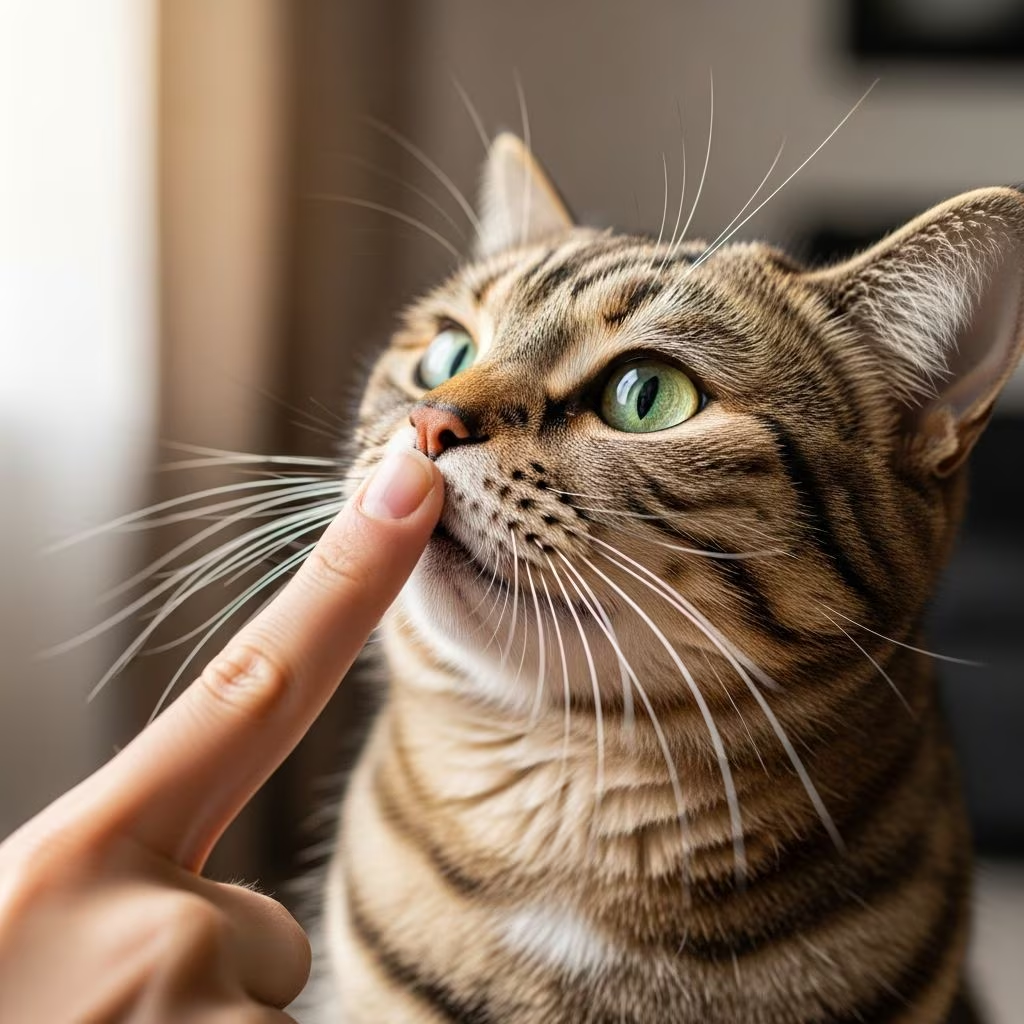
The nose boop—a gentle tap on your cat’s nose—has become a beloved internet meme and a common way cat owners express affection. But do cats actually like it when you boop them? The answer is nuanced: many cats enjoy nose boops as a sign of trust and bonding, but it depends on the individual cat, their mood, and how it’s done. Rooted in feline instincts, booping mimics how cats greet each other by touching noses to exchange scents and affirm familiarity.
Understanding this gesture requires diving into cat psychology, body language, and communication. Cats view humans as oversized littermates, using their heightened sense of smell—14 times stronger than ours—to gather information. A boop can feel like a ‘handshake’ or ‘fist bump’ among cats, signaling ‘You’re one of us’. However, forcing a boop on an unwilling cat can lead to scratches or bites, as it may be perceived as aggressive. This article covers everything from why cats boop, signs they like it, how to do it safely, and FAQs to help you decode your cat’s response.
What Is a Nose Boop?
A nose boop is a light touch or tap on a cat’s nose with your finger, often playful and affectionate. In cat terms, it’s an extension of the natural nose-to-nose greeting cats perform with each other. This behavior originates from kittenhood, where blind newborns rely on smell to connect with their mother and littermates for milk and warmth.
Cats touch noses to check scents, answering questions like ‘Where have you been?’ or ‘Did you eat something interesting?’. Jackson Galaxy, a renowned cat behaviorist, describes it as a social ritual that humans have adopted to join the ‘cat tribe’. Psychologically, cats ‘reduce’ humans to cat-sized proportions in their minds, treating trusted owners like fellow felines. When cats boop you first—pressing their nose to your face or finger—it’s a high honor of acceptance.
Not all boops are friendly. Between unfamiliar cats, a nose touch can be a ‘friend or foe’ assessment, potentially escalating to aggression if scents don’t match. For owners, initiating a boop requires caution to respect boundaries.
Do Cats Like Nose Boops?
Yes, many cats like nose boops when they trust you and are in the mood. Allowing a boop indicates you’re in their inner social circle. It’s a sign of affection, trust, curiosity, or social bonding. Cats with high tolerance for face touches view it romantically in feline terms—selective closeness.
However, not all cats enjoy it equally. Independent or anxious cats may tolerate but not seek boops. Factors like past experiences, health, and personality play roles. If your cat leans in, rubs against you, or flops over post-boop, it’s a green light for more interaction. Sudden aversion could signal pain, dental issues, or sinus problems, as the nose is a sensitive zone.
- Trust Indicator: Booping permission means you’re a safe, predictable figure.
- Affection Sign: Mimics cat greetings, deepening bonds.
- Scent Exchange: Shares pheromones, marking you as family.
- Mood Test: Cats gauge your energy; consistent gentleness builds rapport.
Why Do Cats Boop?
Cats boop for instinctual reasons tied to survival and social structure. From birth, nose touching is their primary sense after sight develops. It evolves into a greeting that conveys identity via scent.
In multi-cat homes, boops confirm shared territory without conflict. Outdoors, it’s riskier—a quick scent check before potential fights or dominance displays. When cats boop humans, it’s because they see you as kin, granting ‘entry permission’ to their space. One owner recounted a cat re-booping them upon return, like a theme park stamp.
Booping also tests relationships. Cats read your response: gentle handling reinforces trust. It’s part of how felines build safe bonds, evaluating consistency.
Cat Body Language: Signs Your Cat Likes Boops
Reading body language is key to knowing if your cat enjoys boops. Positive cues include:
- Slow blinks or half-closed eyes (contentment).
- Laid-back ears and relaxed whiskers.
- Head pressing into your finger or rubbing afterward.
- Purring, kneading, or tail curling around you.
- Flopping over or exposing belly (ultimate trust).
Negative signs: flattened ears, dilated pupils, swishing tail, hissing, or paw swats. These mean ‘stop’. Always let the cat approach first and sniff your finger.
| Positive Signs | Negative Signs |
|---|---|
| Slow blinks, purring, leaning in | Ear flatten, tail thrash, swats |
| Relaxed body, whisker forward | Dilated pupils, hissing |
| Head butts or scent rubbing | Backing away, biting |
How to Boop Your Cat Safely
Boop responsibly to avoid stress. Steps:
- Observe Mood: Ensure ears are up, eyes soft, body loose.
- Offer Finger: Extend slowly; let cat sniff.
- Gentle Touch: Light tap on nose tip, no rubbing unless invited.
- Watch Response: Positive? Proceed; negative? Retreat.
- Frequency: Not daily—respect selectivity.
Best for familiar cats. Kittens learn from mothers, so early socialization helps. Pair with treats or play for positive association.
Why Some Cats Dislike Nose Boops
Not all cats like boops due to personality, trauma, or health. Feral backgrounds or past abuse make them wary. Overstimulation—too many face touches—leads to aversion. Older cats with dental pain react defensively.
Rescues may need time to warm up. Force backfires, eroding trust. Alternatives: chin scratches or cheek rubs, less invasive.
Benefits of Nose Booping for Cats and Owners
Booping strengthens bonds via oxytocin release, similar to human hugs. It affirms hierarchy—you’re trusted. For owners, it’s rewarding feedback on rapport.
Enhances communication: Cats feel understood. In groups, it reduces tension.
Frequently Asked Questions (FAQs)
What does it mean if my cat lets me boop their nose?
It means trust, affection, or inclusion in their social circle. They’re sharing scents and testing your gentleness.
Why does my cat boop me first?
Cats boop owners to greet, scent-mark, or grant territory access—like a feline handshake.
What if my cat suddenly hates boops?
Check for health issues like dental pain or injury. Reduced tolerance signals discomfort.
Can all cats be taught to like boops?
With patience and positive reinforcement, many can. Respect boundaries; some prefer distance.
Is nose booping aggressive?
Between cats, it can precede fights if scents clash. With owners, gentle boops are affectionate.
Conclusion
Nose boops can delight cats who trust you, mimicking vital social rituals. Observe cues, go slow, and cherish when they reciprocate. This simple act deepens your feline friendship.
References
- Why do cats ‘boop’? — Armarkat. Accessed 2026. https://www.armarkat.com/blog/why-do-cats-boop/
- If Your Cat Lets You Boop Their Nose, This is What it Means — The Purring Journal (YouTube Transcript). 2023. https://www.youtube.com/watch?v=S7AJOCYeFro
- Why Do Cats Boop (Tap) Noses? — YouTube Transcript. Accessed 2026. https://www.youtube.com/watch?v=hixjwMOTTmo



