

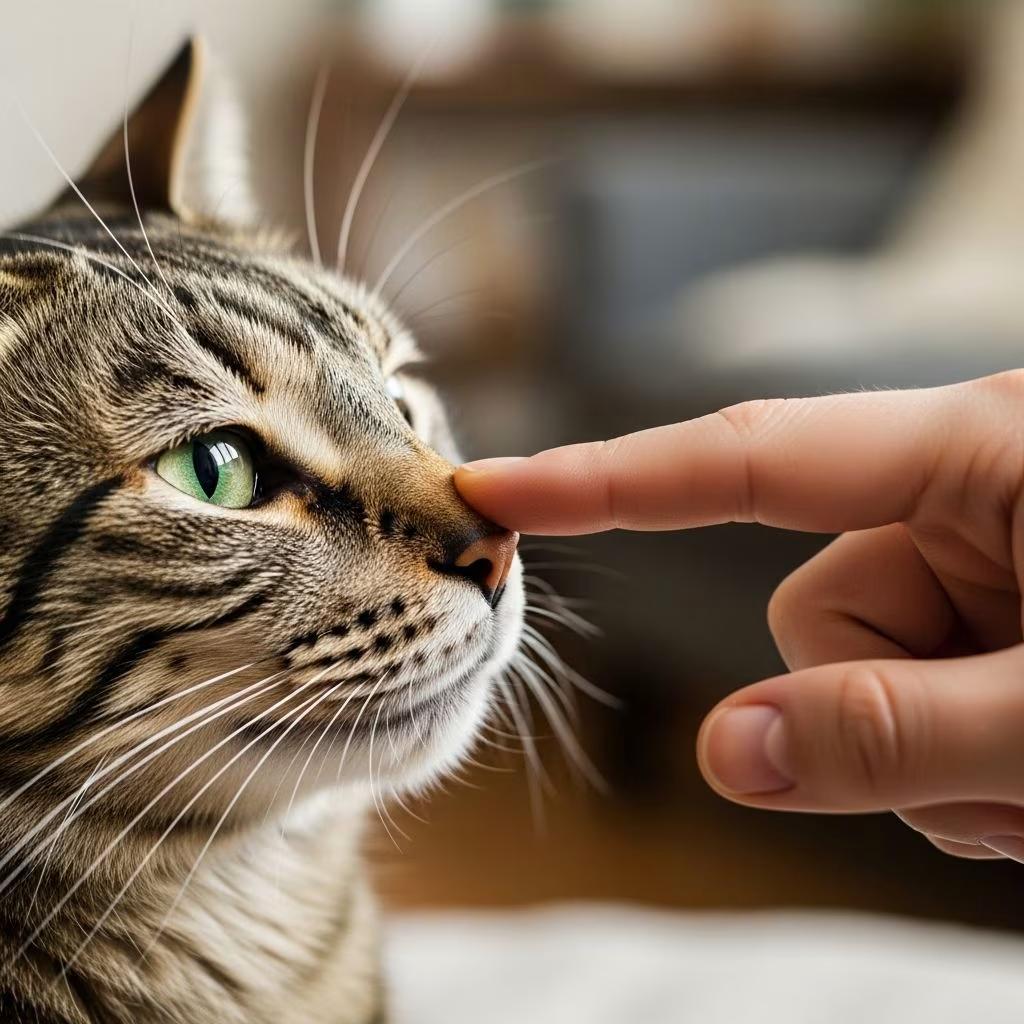
Do Cats Like It When You Boop Them? Understanding Your Furry Friend
If you’re a cat owner, you’ve likely experienced the delightful moment when your feline friend allows you to gently touch or tap their nose—a gesture commonly known as a “boop.” But have you ever wondered what this behavior actually means? Does your cat genuinely enjoy being booped, or are they simply tolerating your affection? Understanding cat booping can provide valuable insights into your cat’s personality, emotional state, and level of trust in you.
The truth is that cat booping is far more complex than a simple playful gesture. It represents a form of communication deeply rooted in feline behavior and social bonding. When your cat allows you to boop their nose, they’re communicating something significant about your relationship and their comfort level with you.
What Is a Cat Boop?
A cat boop is a gentle, affectionate touch or tap on a cat’s nose. The term has become increasingly popular among cat enthusiasts and pet owners as a way to describe this sweet interaction. However, booping isn’t just about the physical touch—it’s rooted in natural feline behavior and communication methods.
The origins of booping go deep into cat psychology and instinct. Cats perceive humans as fellow cats, and their brains essentially reduce human interactions to “cat-sized” proportions. This means that when you boop your cat’s nose, you’re actually engaging in a form of communication that mirrors how cats interact with each other.
The habit of booping begins with a kitten’s natural instincts. Because cats are blind at birth, they rely entirely on smell for the first two weeks of their lives. During this critical period, a kitten’s nose becomes their primary contact point with their littermates, mother, and the milk they need to survive. This makes the nose an incredibly important and sensitive area for cats throughout their entire lives. As kittens grow and begin to see, they maintain this nose-first approach to exploring and bonding with others. Humans have essentially found a way to participate in this ancient feline ritual by booping our cats’ noses—we’ve become part of the cat tribe and learned to greet them the way they greet each other.
Why Do Cats Allow You to Boop Their Nose?
Understanding why your cat allows you to boop their nose requires examining several important factors related to cat behavior and communication.
Trust and Social Bonding
When your cat allows you to boop their nose, it’s often a clear sign of trust and social acceptance. Cats that know and trust their people will actually anticipate boops and respond by moving in and holding their heads up in expectation of affection. This behavior indicates that your cat views you as a safe, familiar figure in their life.
Cats are naturally selective about who gets close to them and who gets to touch their face. The facial area, particularly around the nose and mouth, is extremely sensitive. If your cat willingly allows you to touch this sensitive zone without flinching or walking away, it’s a significant indicator of the trust they have in you.
Scent Communication and Exchange
Cats are fundamentally scent-driven creatures, and much of their communication happens through olfactory signals. When cats boop noses with each other or allow humans to boop them, they’re engaged in scent exchange. A cat’s sense of smell is approximately 14 times stronger than a human’s, allowing them to gather incredibly detailed information about their environment and the individuals in it.
When a cat rubs their head against you or allows a nose boop, they’re leaving their scent behind while also picking up yours. This creates a unique scent signature that cats associate with comfort, familiarity, and love. In the wild, when cats scratch, they’re marking territory and leaving pheromones behind that communicate important information to other felines. Similarly, in domestic settings, booping and head rubbing serve as a bonding mechanism through scent.
Acceptance Into the Cat’s Inner Circle
When your cat allows you to boop their nose repeatedly, it signifies that you’ve been accepted into their inner social circle. You’ve become a trusted figure that can safely interact with them. This is a significant achievement in feline relationships, as cats don’t grant this privilege to just anyone.
Cats create what’s known as a “colony scent” when they’re bonded with others. Although cats have traditionally been thought of as solitary creatures, they’re actually quite social. Headbutting, rubbing, and gentle touches like booping are ways for cats to communicate their connection and establish social bonds. When cats within a colony boop each other, they’re mixing their scents to create a combined scent that’s distributed among all members of the group.
Testing and Building Safe Relationships
Sometimes, allowing you to boop their nose is your cat’s way of testing how you interact with them. Your cat is reading your energy, your movements, and how you respond afterward. This test behavior is part of how cats build safe, predictable relationships. Just as they slowly warm up to new places or new animals, they evaluate people based on consistency and predictability.
A well-received nose boop tells your cat that you’re trustworthy and that your behavior is predictable. If you respond with gentleness and positive energy after a boop, your cat learns that interactions with you are safe and rewarding.
Seeking Attention and Affection
In some cases, a cat allowing you to boop their nose indicates they’re feeling social and seeking attention. Not all cats are in the mood for socializing all the time, but when they are, their body language tells the story. A cat that initiates booping or allows it readily is signaling that they want to engage with you.
Cats generally enjoy being scratched under the chin and on the head, so a cat may present their head for a boop simply to invite you to provide attention and good scratches. If your cat is consistently rewarded with attention, treats, or additional affection after allowing a boop, this may encourage more booping behavior, creating a positive feedback cycle of bonding and interaction.
Signs Your Cat Enjoys Being Booped
Not all cats respond the same way to booping, so it’s important to recognize the signs that indicate your cat is genuinely enjoying the experience. These positive responses include:
- Leaning into your hand: If your cat allows the boop and then leans into your hand, rubs their head against you, or even flops over, these are significant green flags indicating you can continue interacting
- Purring: A purring cat is typically a content and happy cat. If your cat purrs during or after a boop, they’re expressing satisfaction
- Partial eye closure: When cats partially close their eyes while interacting with you, it’s a sign of relaxation and affection
- Elevated tail: A cat with an upright, slightly curved tail is communicating friendliness and openness
- Playful flopping: Some cats will flop over playfully before or after a boop, indicating they’re in a joyful mood
- Initiating contact: If your cat actively seeks out boops or head rubs from you, they’re clearly enjoying the interaction
- Relaxed body language: A cat with relaxed muscles, soft eyes, and an easy posture is comfortable with your touch
Warning Signs Your Cat Doesn’t Want to Be Booped
While many cats enjoy booping, it’s crucial to recognize when your cat is uncomfortable or uninterested in this type of interaction. Understanding these warning signs helps you respect your cat’s boundaries and strengthen your relationship.
- Pulling away: If your cat consistently pulls away when you attempt to boop them, they’re clearly communicating disinterest
- Defensive reactions: A cat that hisses, swats, or shows teeth when you reach for their nose is expressing strong disapproval
- Flattened ears: Ears pinned back against the head indicate fear, annoyance, or aggression
- Dilated pupils: Large pupils can indicate fear or agitation in cats
- Tail swishing: Rapid tail movement often signals irritation or agitation
- Sudden behavior changes: If your cat used to love nose boops but suddenly pulls away or reacts defensively, something may be wrong
- Sensitivity around the nose and mouth: Discomfort, injury, dental issues, or even sinus problems could cause your cat to avoid touch in this sensitive area
Health Considerations and Booping
While booping is generally a harmless and affectionate gesture, it’s important to be aware of potential health considerations. The nose and mouth are very sensitive zones on a cat’s face, and pain or illness in these areas can affect your cat’s willingness to accept boops.
If your cat previously enjoyed booping but has suddenly changed their behavior, it could indicate an underlying health issue. Dental problems, sinus infections, nasal polyps, or injuries to the face could all cause your cat to become sensitive about nose touches. Additionally, if your cat is experiencing stress or anxiety, they may be less receptive to physical contact generally.
Should you notice a sudden change in your cat’s booping behavior, it’s wise to consult with your veterinarian. The nose and mouth area can be a first sign of pain or illness, and a professional examination can rule out medical issues.
How to Properly Boop Your Cat
If your cat enjoys booping, there are proper techniques to ensure the experience remains positive for both of you:
- Use a gentle touch: The goal is a soft, light tap or touch—never forceful or aggressive
- Watch for consent: Always ensure your cat is receptive before attempting a boop
- Keep sessions brief: Short, sweet interactions are better than prolonged touching
- Respect boundaries: If your cat shows any sign of discomfort, stop immediately
- Combine with other affection: Follow up a boop with gentle scratches or praise to reinforce the positive experience
- Use positive reinforcement: If your cat responds favorably to a boop, reinforce this positive behavior with expressions of approval or treats
- Read body language: Always pay attention to your cat’s reactions and adjust your behavior accordingly
Building a Stronger Bond Through Booping
For cats that enjoy booping, this simple gesture can be an excellent way to strengthen your relationship. The more you bond with your cat through gentle interactions like booping and headbutting, the more your cat may seek out these interactions in return. This creates a positive feedback cycle of affection and trust.
Booping can become part of your daily ritual with your cat—a special greeting or moment of connection that reinforces your bond. By respecting your cat’s preferences and boundaries, you’re communicating that you understand and respect their needs, which deepens trust and strengthens your relationship overall.
Frequently Asked Questions
Q: Do all cats enjoy being booped?
A: No, not all cats enjoy booping. Some cats are naturally more aloof or sensitive about facial touches. It’s important to respect individual cat preferences and body language. Some cats may enjoy booping at certain times but not others, depending on their mood and comfort level.
Q: What does it mean if my cat boops me back?
A: If your cat initiates booping or boops you back, it’s a wonderful sign of affection and trust. Your cat is engaging in reciprocal behavior and is actively seeking the bonding experience that booping provides.
Q: Is booping the same as headbutting?
A: While similar in that both involve head-to-nose contact and scent exchange, booping typically refers to a human-initiated gentle tap, while headbutting usually refers to when a cat initiates contact by rubbing or pressing their head against you. Both behaviors indicate affection and bonding.
Q: Why won’t my cat let me boop their nose?
A: There are several reasons why a cat might not enjoy booping. Some cats are naturally less tactile, some may have experienced negative interactions in the past, and some may have sensitivity or pain in their nasal area. Always respect your cat’s boundaries and consult a veterinarian if behavior changes suddenly.
Q: Can I train my cat to enjoy booping?
A: To some extent, you can make booping a positive experience through gentle introduction and positive reinforcement with treats and praise. However, if your cat has a natural aversion to nose touches, it’s best to respect their preferences rather than force the behavior.
Q: What should I do if my cat suddenly doesn’t like booping anymore?
A: A sudden change in behavior could indicate health issues, pain, stress, or anxiety. Consult with your veterinarian to rule out medical problems, and be patient with your cat as they may need time to adjust to any changes in their environment or routine.
References
- Why Do Cats Headbutt Me? — PetMD. 2024. https://www.petmd.com/cat/behavior/why-does-my-cat-headbutt-me
- Why do cats ‘boop’? — Armarkat Online Store. 2024. https://www.armarkat.com/blog/why-do-cats-boop/
- If Your Cat Lets You Boop Their Nose, This is What it Means — Catster. 2024. https://www.catster.com/cat-behavior/do-cats-like-it-when-you-boop-them/
- Nose Boop explained: what is a Boop? — Way of Cats. 2024. https://www.wayofcats.com/blog/affection-move-the-nose-boop/31966
- Do Cats Like It When You Boop Them? Understanding Your Furry Friend — CatCurio. 2024. https://catcurio.com/blogs/catlove/do-cats-like-it-when-you-boop-them-understanding-your-furry-friend



