

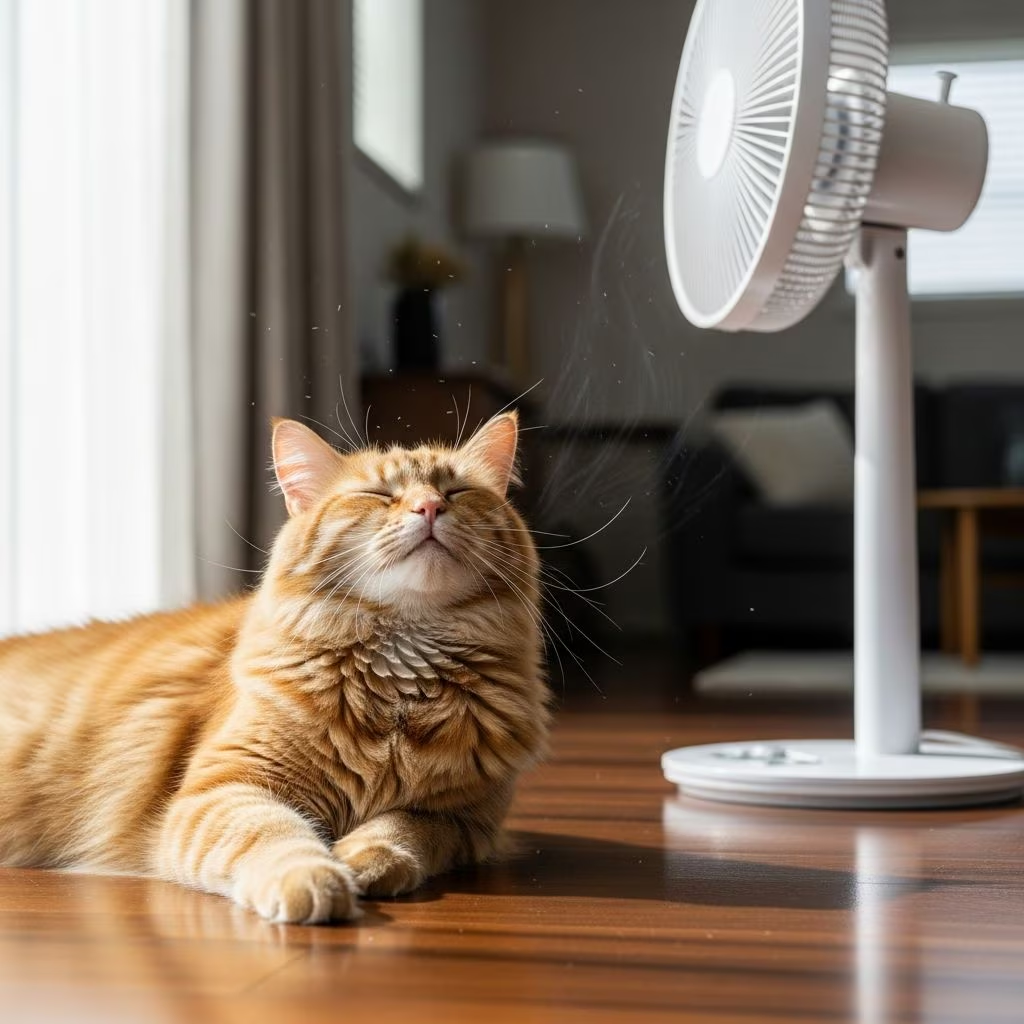
Cats have mixed reactions to fans, with some enjoying the gentle breeze for cooling while others avoid direct airflow due to discomfort from noise or wind on their fur. Fans primarily benefit cats by circulating air to aid evaporation from their saliva during grooming, mimicking sweat evaporation in humans, though they do not lower room temperature directly.
Why Do Cats Dislike Fans?
Many cats dislike fans because the direct blast of air can feel overwhelming on their sensitive whiskers, fur, and skin, disrupting their sense of security. The whirring noise from some fans may startle cats or cause anxiety, as felines prefer quiet environments. Additionally, cats do not sweat like humans; they cool primarily through grooming and paw pad perspiration, so fans do not provide the same cooling sensation.
- Noise sensitivity: Mechanical hums or vibrations can mimic predators, triggering avoidance.
- Airflow disruption: Strong winds ruffle fur and whiskers, which cats use for spatial awareness.
- Temperature perception: Cats feel cooler indirectly through air movement aiding evaporation, but direct exposure often feels unpleasant.
Observe your cat’s body language: flattened ears, dilated pupils, or hiding indicate dislike, while relaxed lounging nearby suggests tolerance.
Can Fans Cool Cats Down?
Fans help cool cats by promoting air circulation, which speeds up evaporation of moisture from their fur after grooming—a primary thermoregulation method. Place a frozen water bottle in front of a fan for enhanced cooling via chilled air, but ensure the cat can retreat if needed. Studies and veterinary advice confirm this indirect cooling prevents overheating in temperatures above 90°F, especially in humid conditions where stagnant air exacerbates heat stress.
| Method | How It Works for Cats | Effectiveness |
|---|---|---|
| Fan Alone | Circulates air for evaporation | Moderate; better with humidity control |
| Fan + Frozen Bottle | Chills circulating air | High; mimics AC effect safely |
| Direct on Cat | May cause stress | Low; avoid prolonged exposure |
Veterinarians recommend fans as a non-AC alternative, particularly in well-ventilated spaces like catios.
Do Cats Like the Breeze from Fans?
Some cats seek out breezy spots, lying near fans to enjoy the sensation, especially heat-tolerant breeds like Maine Coons. However, brachycephalic breeds (e.g., Persians) may pant or avoid fans due to breathing difficulties in airflow. Individual personality plays a key role: playful cats might bat at moving air, while shy ones hide.
- Positive signs: Purring, kneading, or stretching in the breeze.
- Negative signs: Tail flicking, swatting, or fleeing the area.
How to Use Fans Safely Around Cats
Position fans to create gentle room circulation rather than direct blasts—aim at walls or ceilings for diffused airflow. Use quiet, pet-safe models without loose blades, and secure cords to prevent chewing. In catios, ceiling or portable fans enhance ventilation without targeting cats directly.
- Select low-noise fans (under 50 decibels).
- Place out of reach, elevated or enclosed.
- Combine with shade, water features, and cooling mats.
- Monitor for 10-15 minutes initially to gauge reaction.
- Clean regularly to avoid dust circulation irritating respiratory systems.
For multi-cat homes, use multiple small fans to cover areas without overwhelming sensitive individuals.
Signs Your Cat Likes (or Dislikes) the Fan
Observe these behaviors to tailor fan use:
- Likes: Lounging nearby, grooming more, relaxed eyes half-closed.
- Dislikes: Crouching low, ears back, excessive meowing, or hiding.
- Neutral: Ignoring the fan entirely, preferring still air spots.
Adjust based on cues; if disliked, opt for passive cooling like tile floors or damp towels.
Alternatives to Fans for Cooling Cats
When fans aren’t ideal, provide these vet-recommended options:
- Cooling mats: Gel-filled pads absorb body heat; safe and silent.
- Water fountains: Encourage drinking with moving water for hydration.
- Shade and blinds: Block sunlight to keep indoors below 80°F.
- Frozen treats: Ice cubes in water or canned food boosts moisture intake.
- Catio setups: Screened enclosures with shade and ventilation.
Hydration is crucial—cats need 3-4 oz water per 5 lbs body weight daily, more in heat.
Heatstroke in Cats: Prevention with Fans
Heatstroke occurs above 104°F body temperature; fans prevent by aiding cooling pre-symptoms. Signs include panting (rare in cats), drooling, lethargy, rapid heartbeat, vomiting. Move to cool area, use fan indirectly, offer water, and seek vet if rectal temp exceeds 103°F.
High-risk cats: Seniors, obese, brachycephalic, or dark-furred absorb more heat.
Frequently Asked Questions (FAQs)
Do cats like fans?
Cats have varied reactions; some enjoy the breeze for cooling, others dislike direct air or noise. Test gently and observe.
Can fans make cats sick?
No, if used safely without direct blast or dust buildup. They aid cooling like AC but won’t cause illness in maintained units.
Will a fan cool my cat during heatstroke?
Fans help by circulating air but combine with shade, water, and vet care. Not a standalone treatment.
How to keep cats cool without AC?
Use fans indirectly, cooling mats, hydration boosts, shade, and limit outdoor time 10am-4pm.
Are fans safe in catios?
Yes, ceiling or positioned fans improve ventilation; avoid direct on cats and secure properly.
References
- Summer Catio Care: Beating the Heat — The Cattopia. 2023-06-15. https://www.thecattopia.com/blog/summer-catio-care-beating-the-heat/
- How to Keep Cats Cool in Summer Without AC — Turmerry. 2024-05-20. https://www.turmerry.com/blogs/dreamerry/how-to-keep-cats-cool-in-summer-without-ac
- Could Your Air Conditioner Be Making Your Pet Sick? — Figo Pet Insurance. 2023-08-10. https://figopetinsurance.com/blog/air-conditioning-bad-for-pets
- How to Keep Your Cat Cool and Avoid Heatstroke — Preventive Vet. 2024-07-01. https://www.preventivevet.com/cats/how-to-keep-your-cat-cool
- 8 Ways to Keep Your Cat Cool and Comfortable This Summer — CocoTherapy. 2023-05-12. https://www.cocotherapy.com/blogs/blog/8-ways-to-keep-your-cat-cool-and-comfortable-this-summer
- Heatstroke in Cats: Signs, Treatment, and Prevention — PetMD. 2025-03-15. https://www.petmd.com/cat/conditions/systemic/heatstroke-cats



