

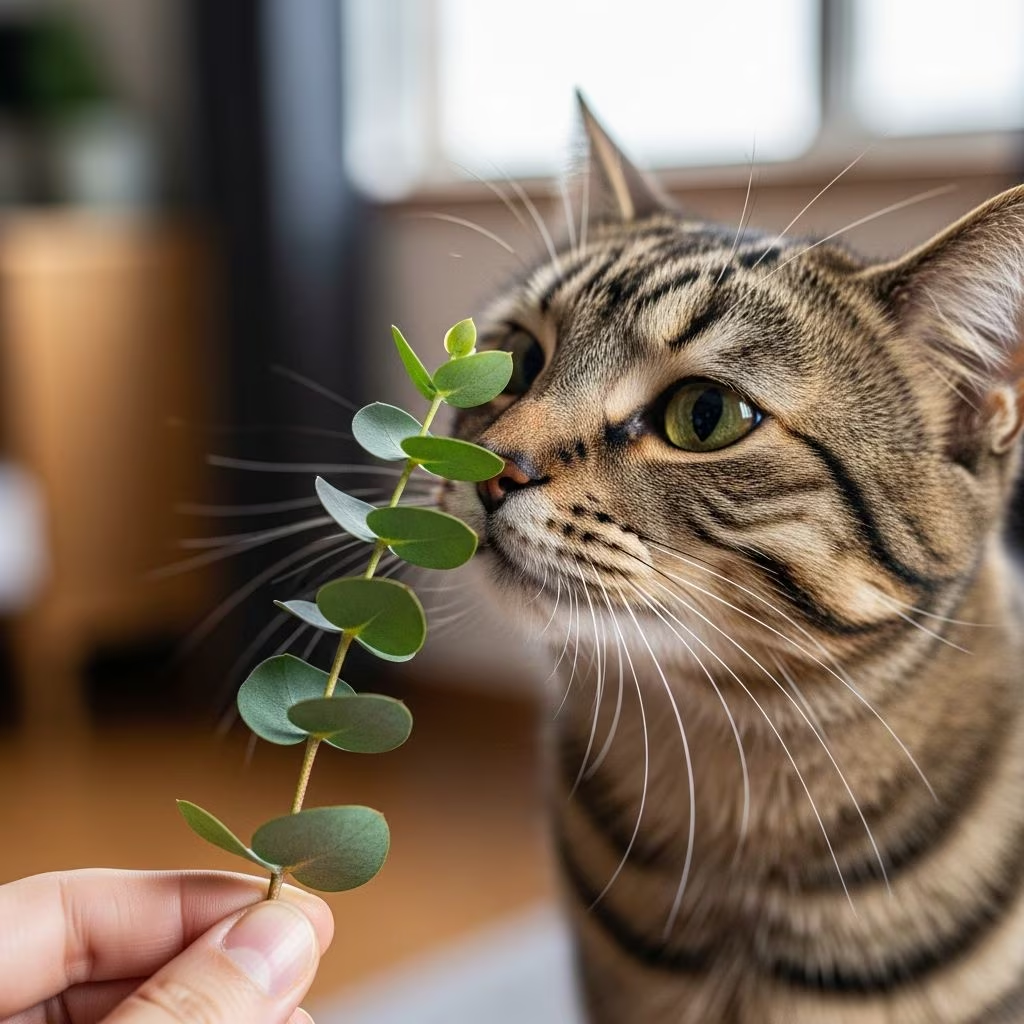
Cats possess an extraordinarily acute sense of smell, far superior to humans, which they use for communication, hunting, and navigating their environment. While felines are irresistibly drawn to scents like catnip or their favorite wet food, they have strong aversions to others. Eucalyptus, a popular aromatic plant and essential oil used by humans for its refreshing and medicinal properties, falls firmly into the category of smells cats dislike. In fact, the strong, pungent eucalyptus scent acts as a natural deterrent for cats, but there’s a critical caveat: eucalyptus is toxic to felines, posing serious health risks if ingested, inhaled, or even merely exposed to in concentrated forms.
This comprehensive guide delves into why cats hate eucalyptus, the specific dangers it presents, symptoms of exposure, safer alternatives, and practical tips to protect your cat while enjoying the benefits of aromatherapy. Understanding these dynamics is essential for cat owners who use essential oils, houseplants, or air fresheners in their homes.
What Is Eucalyptus?
Eucalyptus belongs to a genus of over 700 species of evergreen trees and shrubs, predominantly native to Australia. These fast-growing plants are iconic for being the primary diet of koalas, which have adapted unique digestive systems to process their tough, fibrous leaves. The leaves of the eucalyptus plant release a distinctive, menthol-like aroma due to essential oils within them, primarily eucalyptol (also known as 1,8-cineole), which gives the plant its characteristic sharp, camphoraceous scent.
Humans have utilized eucalyptus for centuries in traditional medicine across cultures, particularly for respiratory relief, cough suppression, and as an antimicrobial agent. Today, it’s commonly found in products like essential oils, teas, ointments, throat lozenges, and even household cleaners. Fresh or dried eucalyptus branches are popular decorations, especially in showers for their spa-like fragrance during steamy conditions. While beneficial for people—easing congestion and providing antibacterial properties—eucalyptus poses significant risks to cats due to their unique physiology.
Cats lack certain liver enzymes necessary to metabolize many plant compounds, including eucalyptol, making even small amounts potentially harmful. The plant’s leaves are mildly toxic when ingested in large quantities, but the real danger lies in concentrated essential oils, which can be 10 times more potent than fresh leaves.
Eucalyptus and Cats: The Dangers
Despite its appeal to humans, eucalyptus is unequivocally toxic to cats. The primary culprit is eucalyptol, a compound cats cannot efficiently break down, leading to buildup in their system. Exposure typically occurs through ingestion of leaves, oils, or products containing eucalyptus, or via inhalation from diffusers, sprays, or burning leaves. Even indirect contact, like grooming fur after brushing against a plant, can transfer oils into the mouth.
Symptoms of eucalyptus toxicity in cats vary by exposure level but can escalate quickly:
- Mild exposure: Excessive salivation, drooling, or pawing at the mouth as the body attempts to expel toxins.
- Moderate exposure: Vomiting, diarrhea, lethargy, loss of appetite, and ataxia (wobbly movement).
- Severe exposure: Neurological signs like tremors, seizures, difficulty breathing, low body temperature, or collapse. A lethal dose from leaves is estimated at around 70 leaves per 2 pounds of body weight, though cats rarely consume that much due to the smell. Essential oils, however, require far less for serious effects.
If you suspect exposure, contact a veterinarian or pet poison hotline immediately—do not wait for symptoms to worsen. Treatment may involve inducing vomiting, activated charcoal, IV fluids, and supportive care. Early intervention is crucial, as deaths are rare but possible, especially in kittens, seniors, or cats with pre-existing conditions.
Common Essential Oils That Are Dangerous for Cats
Eucalyptus is far from the only essential oil hazardous to cats. Felines’ inability to metabolize phenols, terpenes, and other compounds in these highly concentrated plant extracts makes most oils risky. Even oils from non-toxic plants can cause harm when undiluted or diffused. Here’s a table of common toxic essential oils:
| Essential Oil | Toxicity Level | Common Symptoms |
|---|---|---|
| Eucalyptus | High | Drooling, vomiting, seizures |
| Tea Tree | Very High | Tremors, coma, hypothermia |
| Cinnamon | High | Irritation, liver damage |
| Peppermint | Moderate-High | Respiratory distress, ataxia |
| Citrus (Lemon, Orange) | Moderate | Drooling, dermatitis |
| Pine | High | Vomiting, lethargy |
| Wintergreen | Very High | Metabolic acidosis, seizures |
| Ylang Ylang | High | Depression, incoordination |
Always consult a vet before using any essential oils. The ASPCA maintains lists of toxic plants and substances for reference. Pet-safe alternatives exist but must be from reputable, veterinary-formulated brands and used sparingly.
Eucalyptus and Cats: Keeping Your Kitty Safe
Preventing exposure is straightforward with proactive measures. Cats’ natural aversion to eucalyptus smell offers some protection, but never rely on it alone—curiosity or accidental encounters can lead to trouble.
- Remove or restrict access: Avoid eucalyptus plants indoors; if outdoors, ensure cats can’t reach them. Discard any toxic houseplants.
- Essential oil precautions: Skip diffusers entirely with cats at home. If unavoidable, use in a sealed room with no cat access, opt for ultra-diluted pet-safe oils, and ventilate thoroughly.
- Bathroom and shower use: Hanging eucalyptus in showers releases oils via steam—keep cats out during and after use.
- Cleaning products: Choose cat-safe, fragrance-free cleaners over eucalyptus-based ones.
- Deterrents: Do not use eucalyptus to repel cats; opt for vet-approved options like citrus peels or aluminum foil.
- Monitoring: Watch for symptoms after any new plant or scent introduction. Have vet contacts and poison hotline numbers handy (e.g., ASPCA Animal Poison Control: 888-426-4435).
For calming or respiratory aids, discuss pheromone diffusers (like Feliway) or vet-prescribed supplements with your veterinarian—never DIY with oils.
Frequently Asked Questions (FAQs)
Are cats attracted to eucalyptus?
No, cats typically hate the strong, pungent eucalyptus scent and avoid it naturally. However, do not use it as a repellent due to toxicity risks.
Can I diffuse eucalyptus oil around my cat?
Absolutely not. Inhaled oils can cause respiratory issues, drooling, or worse. Even in another room, vapors travel through air vents.
What if my cat eats eucalyptus leaves?
Seek immediate vet care. Expect drooling, vomiting, or diarrhea; severe cases may involve seizures. Provide details on amount ingested.
Is eucalyptus safe in a shower with cats in the house?
No, steam volatilizes toxic oils, which can spread throughout the home and harm cats via inhalation or paw licking.
Can I burn eucalyptus leaves near cats?
No, burning releases concentrated airborne oils, leading to toxicity even without direct contact.
Are there safe essential oils for cats?
Few to none. Consult a vet for any use; most should be avoided. Hydrosols (diluted) or vet-formulas are safer bets.
References
- Do Cats Like Eucalyptus Scent? What You Should Know! — Catster. 2023-10-15. https://www.catster.com/cat-health-care/do-cats-like-eucalyptus-scent/
- Is Eucalyptus Poisonous to Cats? Vet-Verified Facts, Risks & Safety Tips — Catster. 2024-05-20. https://www.catster.com/cat-health-care/is-eucalyptus-poisonous-to-cats/
- Toxic and Non-Toxic Plants — ASPCA. 2025-01-10. https://www.aspca.org/pet-care/animal-poison-control/toxic-and-non-toxic-plants
- Essential Oils and Pets — Pet Poison Helpline. 2024-11-05. https://www.petpoisonhelpline.com/pet-tips/essential-oils-pets/
- Smells That Cats Hate (Vet-Verified) — Catster. 2024-08-12. https://www.catster.com/lifestyle/smells-that-cats-hate/



