

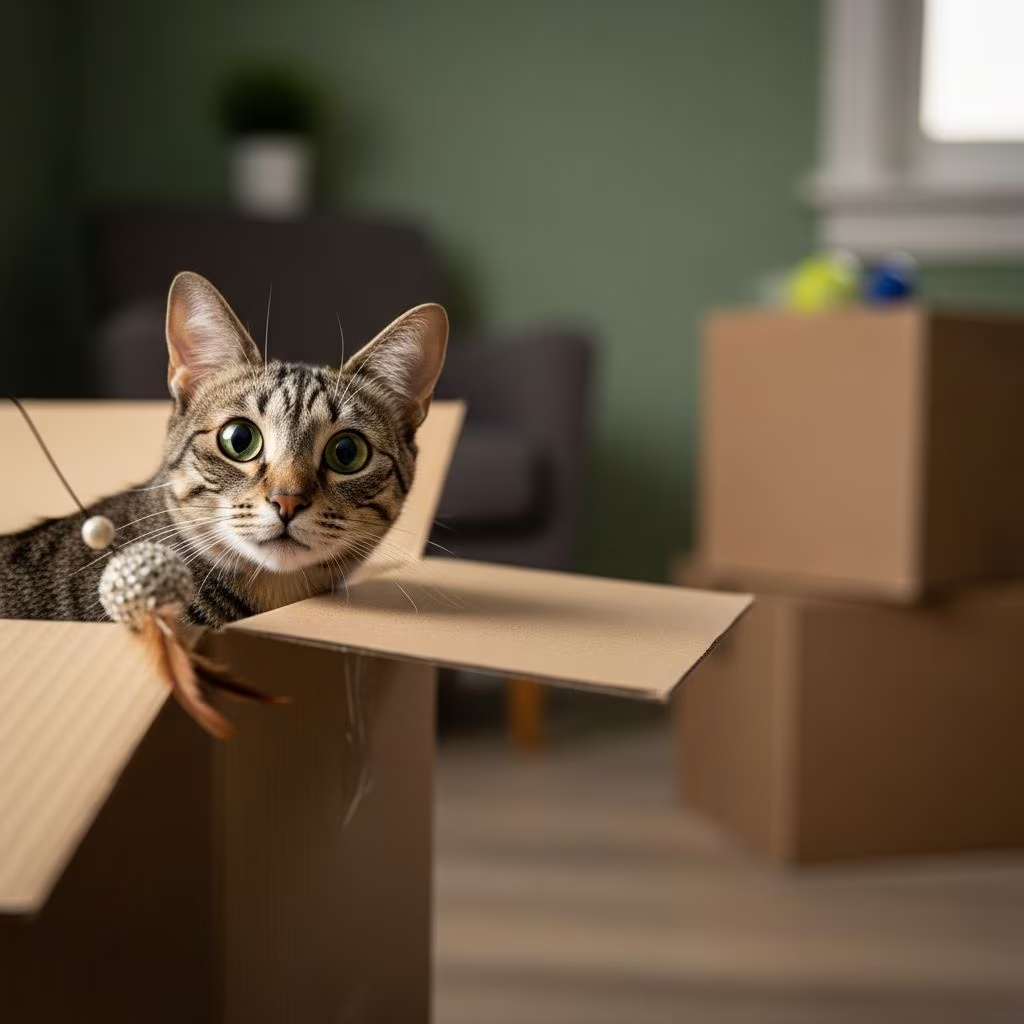
Cats generally dislike change due to their territorial nature and strong attachment to familiar environments, which provide security through scent markings and routines. Major disruptions like moving homes or family additions trigger stress, leading to behavioral shifts such as hiding or appetite loss.
Why Don’t Cats Like Change?
Cats are creatures of habit, deeply tied to their territory where they mark scents for comfort and safety. Removing them from this domain disrupts their sense of control, causing anxiety as they struggle to reestablish familiarity in new spaces. This territorial instinct, rooted in their evolutionary history as solitary hunters, makes even minor alterations—like rearranged furniture—potentially distressing. Research shows that during the critical socialization period from 2 to 7 weeks, early experiences shape long-term adaptability, but adult cats often revert to stress responses when routines break.
Environmental stability supports feline welfare; sudden changes overwhelm their senses, elevating cortisol levels and prompting defensive behaviors. Owners notice this in heightened vigilance or reduced play, signaling a need for intervention to restore balance.
Signs Your Cat Is Stressed by Change
Recognizing stress early prevents escalation. Common indicators include:
- Hiding: Cats retreat to closets or under beds, avoiding interaction as in cases of sudden skittishness.
- Increased Vocalization: Excessive meowing or yowling expresses discomfort in unfamiliar settings.
- Aggression or Lethargy: Uncharacteristic hissing, swatting, or withdrawal reflects territorial insecurity.
- Appetite Changes: Refusal to eat or over-grooming signals ongoing anxiety.
- Litter Box Issues: Inappropriate elimination outside the box stems from disrupted routines.
These behaviors decrease positive interactions like play or rubbing, while increasing vigilance and hiding, as documented in stress studies on owned cats. Monitor for persistence beyond a few days, as prolonged signs may indicate deeper welfare issues.
How to Help Your Cat Adjust to Change
Proactive strategies leverage behavior modification techniques to rebuild security. Key methods include:
- Scent Swapping: Transfer pheromones by rubbing cloths on cats’ cheeks and familiar objects, mimicking natural marking to signal safety.
- Maintain Routines: Keep feeding, play, and litter times consistent amid chaos.
- Pheromone Aids: Use diffusers or sprays to calm nerves pre- and post-change.
- Gradual Exposure: Introduce new elements slowly, rewarding calm with treats via counterconditioning.
Techniques like habituation (repeated safe exposure) and desensitization reduce fear responses over time. For instance, shaping desired behaviors—starting with small steps toward you for treats—builds confidence. Natural supplements can also take the edge off without sedation.
Preparing Your Cat for a Big Move
Moving amplifies stress, but preparation minimizes it. Start weeks ahead:
- Introduce boxes and tape gradually so they become familiar toys.
- Set up a ‘safe room’ in the new home with bed, litter, and food to mirror the old setup.
- Confine initially, allowing room-by-room exploration over days or weeks.
- Secure windows and doors during adjustment to prevent escapes.
Maintain play and cuddles for stability. Post-move, pheromone products aid scent reclamation, helping cats own the space. Patience is key—full adjustment may take weeks.
Do Cats Adjust to New Homes?
Yes, most cats adapt to new homes with time and support, though some take longer due to age or personality. Older cats may face heightened anxiety from changes, altering social bonds. Provide ample indoor confinement initially, positive reinforcement, and familiar scents. Studies confirm that structured reintroduction protocols, like phased habituation, succeed in restoring normalcy.
Track progress: increased exploration and marking signal success. If aggression persists, professional input ensures welfare.
Changes Cats Hate the Most
| Change Type | Why Cats Hate It | Impact |
|---|---|---|
| New Home/Move | Territory loss | Hiding, appetite loss |
| New Pets/Family | Social threat | Aggression, vigilance |
| Routine Shifts | Predictability gone | Vocalizing, over-grooming |
| Furniture Moves | Scent disruption | Anxiety, marking |
| Absence of Owner | Security breach | Lethargy, box issues |
Cats particularly despise abrupt, multi-layered changes, as they compound stress without recovery time.
Helping Multi-Cat Homes Adapt
In households with multiple cats, conflicts arise from resource competition. Use reintroduction protocols:
- Olfactory Phase: Swap scents via cloths on cheeks until relaxed.
- Visual Phase: Allow sight through barriers during meals, increasing time gradually.
- Direct Contact: Supervised meetings once calm, rewarding positives.
Separate resources like litter boxes to reduce tension. Counterconditioning pairs changes with treats, fostering tolerance.
Frequently Asked Questions (FAQs)
Do cats like change?
No, cats typically resist change due to their territorial instincts and preference for routine, often showing stress through hiding or aggression.
How long does it take for a cat to adjust to a new home?
Adjustment varies from days to several weeks; provide a safe room and gradual exposure for best results.
What are signs of stress in cats from change?
Look for hiding, vocalization increases, appetite loss, aggression, or litter issues—monitor and intervene early.
How can I prepare my cat for moving?
Introduce boxes early, maintain routines, use pheromones, and set up a familiar safe space in the new home.
Do older cats adapt to change worse?
Yes, seniors may experience more anxiety and social shifts, requiring slower transitions and extra support.
Conclusion
While cats inherently dislike change, understanding their needs enables owners to facilitate smooth transitions. By spotting stress signs promptly and applying evidence-based techniques like scent swapping and habituation, you safeguard their welfare. Patience, consistency, and professional help when needed ensure your cat not only copes but thrives amid life’s upheavals.
References
- Impact of Moving Your Cat’s Behavior and Health — Cats at Home Pet Sitting. 2024-05-31. https://catsathomepetsitting.com/2024/05/31/impact-moving-cats-behavior-health/
- Helping Cats Adapt To Change — Two Crazy Cat Ladies. N/A. https://twocrazycatladies.com/cat-behavior/helping-cats-adapt-to-change/
- Treatment of Behavior Problems in Cats — Merck Veterinary Manual. N/A. https://www.merckvetmanual.com/cat-owners/behavior-of-cats/treatment-of-behavior-problems-in-cats
- Stress in owned cats: behavioural changes and welfare implications — PMC (NCBI). 2024. https://pmc.ncbi.nlm.nih.gov/articles/PMC10816390/
- Preparing Your Cat for a Change in the Family — PAWS Chicago. N/A. https://www.pawschicago.org/news-resources/all-about-cats/preparing-your-cat-for-a-change-in-the-family
- Helping Your Cat Adjust to a New Home — PAWS. N/A. https://www.paws.org/resources/helping-your-cat-adjust/
- Older Cats with Behavior Problems — ASPCA. N/A. https://www.aspca.org/pet-care/cat-care/common-cat-behavior-issues/older-cats-behavior-problems



