

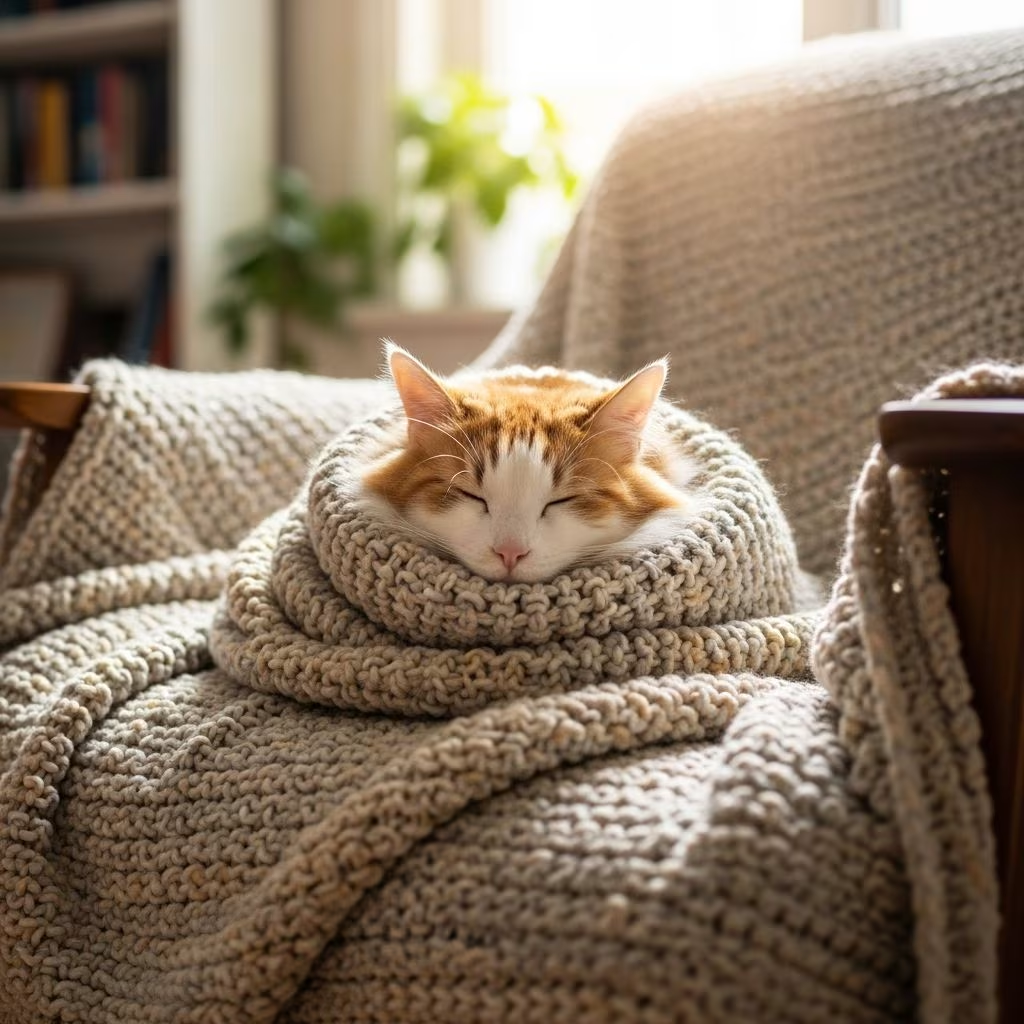
Cats often show a strong affinity for blankets, using them for kneading, nesting, suckling, and hiding to fulfill instinctual needs for comfort, security, and territory marking.
Why Do Cats Like Blankets?
Cats are instinctively drawn to blankets because they mimic the soft, warm textures of their mother’s fur and provide a safe, enclosed space reminiscent of wild nesting behaviors. This attraction stems from kittenhood associations with nursing and maternal warmth, evolving into adult rituals for relaxation and stress relief.
Blankets offer tactile comfort through their plush surfaces, ideal for kneading paws equipped with scent glands. This action releases pheromones, marking the blanket as ‘mine’ and creating a personalized sanctuary. Additionally, the gentle pressure and warmth from blankets can soothe anxious cats, simulating being held or burrowed in a den.
The Instinct Behind Cat Kneading on Blankets
Kneading, or ‘making biscuits,’ is a rhythmic paw-pushing motion cats perform on soft surfaces like blankets. Originating from kittenhood, it stimulates milk flow from the mother but persists in adults as a sign of contentment and security.
- Territory Marking: Paw glands release scents during kneading, claiming the blanket as part of the cat’s domain.
- Nesting Instinct: Cats pat and push to shape a cozy nest, replicating wild behaviors for safe resting spots.
- Relaxation Ritual: The repetitive motion releases endorphins, reducing stress like a feline massage.
Observing your cat knead before sleeping indicates they’re creating the perfect bed, a behavior seen across breeds but more pronounced in those like Siamese with strong nursing retention.
Do Cats Like Being Covered with Blankets?
Many cats enjoy being covered by blankets, especially for the warmth and security it provides, though preferences vary by age, health, and personality. Kittens associate coverings with maternal huddling, seniors benefit from joint-soothing heat, and anxious cats use them as hiding spots to lower cortisol levels.
Signs your cat likes being covered include:
- Purring and slow blinking while under the blanket.
- Kneading or voluntarily burrowing in repeatedly.
- Relaxed posture with exposed belly or paws dangling out.
However, some cats feel trapped; watch for flattened ears, hissing, or frantic escapes. Partially draped blankets or cat caves allow choice, balancing enclosure with freedom.
Why Do Some Cats Suck or Lick Blankets?
Suckling blankets is a self-soothing throwback to nursing, triggered by soft textures that release feel-good hormones like oxytocin. Often paired with kneading and purring, it’s harmless unless excessive, potentially signaling anxiety or weaning issues.
Reasons include:
- Comfort Seeking: Mimics nursing for stress relief in independent cats.
- Scent Marking: Face and paw glands deposit pheromones during the act.
- Contentment: Done when relaxed and happy in their environment.
- Breed Tendency: Common in Siamese, Birman, and Oriental breeds due to genetics.
If accompanied by aggression or over-grooming, consult a vet to rule out nutritional deficiencies or emotional distress.
Signs Your Cat Loves Their Blanket
Clear indicators of blanket affection include choosing it over other spots, prolonged lounging, and grooming it as part of their routine. Purring intensifies under blankets, and they may drag it around or defend it from others.
| Behavior | Meaning | Example |
|---|---|---|
| Kneading + Purring | Deep Relaxation | Pawing rhythmically while drooling. |
| Hiding Underneath | Security Seeking | Burrowing after loud noises. |
| Suckling | Self-Soothing | Nursing motions on wool edges. |
| Nest Building | Comfort Prep | Folding and circling before sleep. |
Choosing the Best Blanket for Your Cat
Opt for soft, breathable fleece or sherpa materials that hold warmth without overheating. Machine-washable options prevent allergens, and sizes matching your cat’s bed ensure full coverage.
- Texture: Plush for kneaders, lightweight for hot climates.
- Size: Large enough for stretching, with edges for gripping.
- Safety: No strings or loose threads to avoid ingestion.
Calming blankets with weighted designs or built-in heat pads enhance benefits for anxious cats, mimicking deep pressure therapy.
Cat Caves and Alternatives to Blankets
While blankets are versatile, cat caves provide enclosed, temperature-stable hideouts appealing to denning instincts. They reduce stress more effectively than open beds, per research showing 72% preference.
| Option | Pros | Cons |
|---|---|---|
| Blankets | Cheap, customizable coverage | May slip off or overheat |
| Cat Caves | Secure, insulated enclosure | Costlier, size-limited |
| Weighted Blankets | Anxiety relief via pressure | Not for all; monitor heat |
| Heated Beds | Joint pain relief for seniors | Electricity-dependent |
Combine options: Drape a blanket over a cave for hybrid appeal.
Are There Risks to Cats and Blankets?
Blankets pose few risks but watch for overheating in brachycephalic breeds, ingestion of fibers in pica-prone cats, or allergen buildup. Excessive suckling may indicate underlying issues like wool-sucking syndrome.
Scientific insights: Shelter studies link hiding spaces to lower cortisol, validating blankets’ stress-reduction role, but individual responses vary.
Frequently Asked Questions (FAQs)
Do cats like blankets?
Yes, most cats love blankets for warmth, kneading, and security, rooted in instinctual nesting and comfort-seeking behaviors.
Why do cats knead blankets?
Cats knead to mark territory with paw scents, create nests, and self-soothe, echoing kittenhood milk stimulation.
Why do cats suck on blankets?
Suckling comforts via nursing memories, releases endorphins, and marks with scents; common in certain breeds.
Do cats like to be covered by blankets?
Many do for den-like security, especially anxious or cold cats, but observe for signs of distress like frantic movement.
Is blanket kneading normal?
Absolutely; it’s a harmless sign of happiness unless paired with aggression or injury from claw extension.
Enhancing Your Cat’s Blanket Experience
Introduce blankets gradually, warming them slightly to entice. Rotate textures to prevent boredom and clean weekly. For multi-cat homes, provide multiples to avoid conflicts. Integrating blankets with play or pheromone sprayers amplifies calming effects.
Understanding these behaviors deepens the human-feline bond, turning simple blankets into tools for well-being. Whether kneading, suckling, or burrowing, your cat’s blanket love reveals their vulnerable, contented side.
References
- Purrfect Comfort: Understanding Why Cats Knead Blankets — Basepaws. 2023. https://basepaws.com/blog/purrfect-comfort-understanding-why-cats-knead-blankets
- Do Cats Like to Be Covered? Discover the Truth About Feline Comfort — Pet Care Shed. 2023. https://petcareshed.com.au/blogs/pet-supplies/do-cats-like-to-be-covered
- Why Do Cats Suck on Blankets? A Veterinarian Explains — Cats.com. 2023. https://cats.com/why-do-cats-suck-on-blankets
- Do Cats Need Calming Blankets? — Simply Spoilt. 2023. https://simplyspoilt.co.za/blogs/news/do-cats-need-calming-blankets
- Why Do Cats Knead? Is My Cat’s Kneading Normal? — American Animal Hospital Association (AAHA). 2023. https://www.aaha.org/resources/is-my-cats-kneading-normal/
- Coping Styles in the Domestic Cat (Felis silvestris catus) — PMC (NCBI). 2019-07-19. https://pmc.ncbi.nlm.nih.gov/articles/PMC6616962/



