

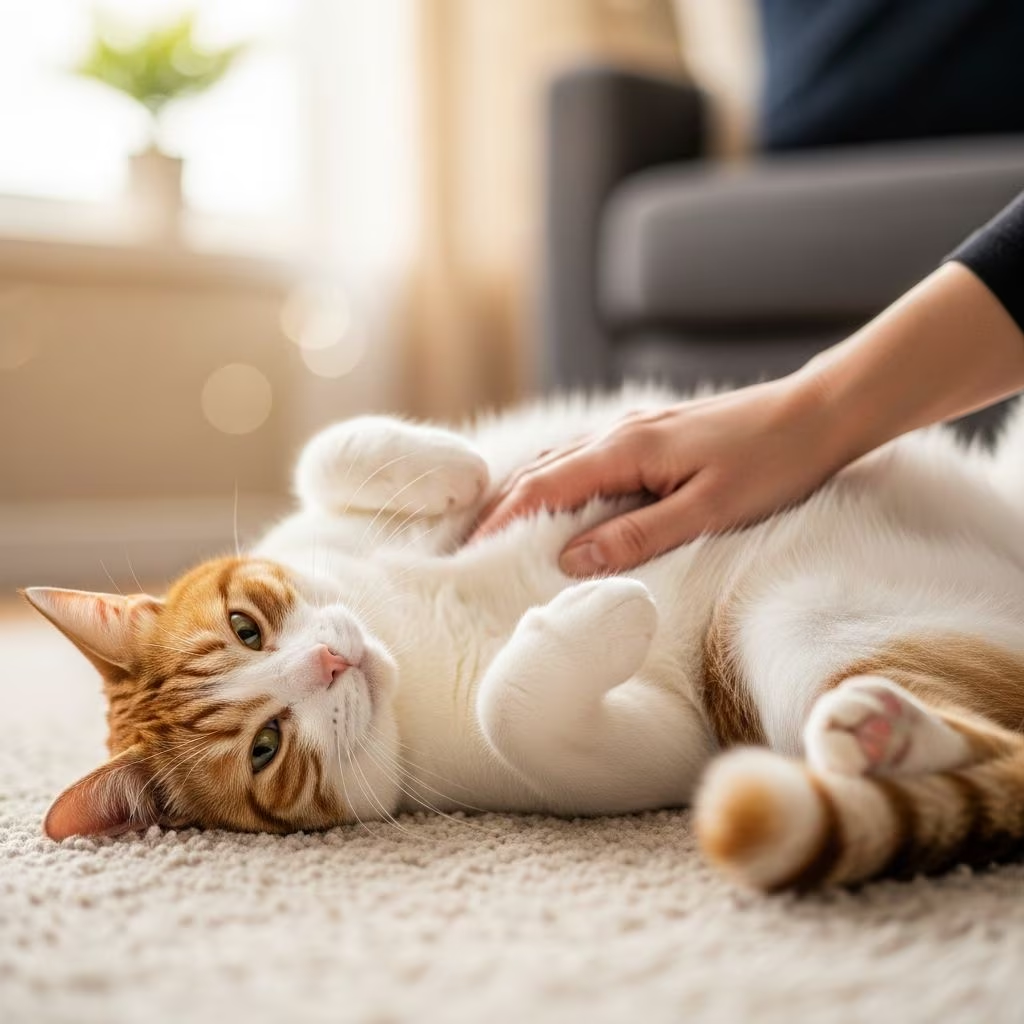
Do Cats Like Belly Rubs? The Truth Behind This Common Misconception
If you’ve ever owned a cat, you’ve likely experienced the belly rub trap. Your feline friend rolls over, displaying their soft, fluffy abdomen in what appears to be an invitation for affection. You eagerly reach down to give them a gentle belly rub, and suddenly you’re met with claws, teeth, and an offended feline. The question “Do cats like belly rubs?” doesn’t have a simple yes or no answer—and understanding why requires diving into feline biology, behavior, and evolutionary instincts.
According to certified feline training and behavior specialist Stephen Quandt, founder of Stephen Quandt Feline Behavior Associates, LLC in New York City, “It’s normal for some cats to not like belly rubs, but it’s by no means universal.” This means while many cats despise belly rubs, some cats genuinely enjoy them. The key is understanding your individual cat’s preferences and recognizing the signs that indicate whether they’re comfortable with this type of touch.
Why Do Cats Hate Belly Rubs?
The reasons behind a cat’s aversion to belly rubs are rooted in evolutionary biology, sensory sensitivity, and past experiences. Let’s explore the primary factors that contribute to this widespread feline behavior:
The Vulnerable Belly: An Evolutionary Survival Mechanism
From an evolutionary perspective, a cat’s belly represents one of the most vulnerable areas of their body. Unlike dogs, who evolved alongside humans as pack animals, cats are solitary hunters that developed instincts focused on survival and self-defense. When a cat exposes their belly, they’re not necessarily inviting you to touch it—they’re displaying trust by showing you their most vulnerable area.
“From an evolutionary point of view, the belly is a very vulnerable part of a cat’s body, and defending it is a survival tactic,” Quandt explains. This means some cats naturally find belly rubs to be unpleasant or stressful because their instincts kick in when they feel their vital organs are at risk.
Hypersensitive Nerve Endings in the Belly Fur
A cat’s belly contains hair follicles with hypersensitive nerve endings that make this area far more sensitive than other parts of their body. According to veterinary consultant Dr. Sabrina Kong, DVM, at Jules Veterinary Center in Tracy, California, “A cat’s belly fur contains hypersensitive nerve endings, and what feels like gentle petting to us can overwhelm them.”
This heightened sensitivity means that even the gentlest belly rub can feel intense or uncomfortable to your cat. What might feel pleasurable for just a few seconds can quickly escalate to sensory overload, prompting an instinctive defensive reaction. This is similar to how a foot massage might feel wonderful initially but becomes unbearable once overstimulation sets in.
Lack of Early Socialization
Socialization during kittenhood plays a crucial role in determining a cat’s comfort level with various types of touch. If a kitten wasn’t exposed to being petted on their belly during their formative weeks, they may develop a lifelong aversion to belly rubs. Quandt notes that “if a kitten wasn’t exposed to being pet on the belly, it could lead to a lifelong dislike of it.”
This is why some cats that grew up in homes where belly rubs were introduced early might tolerate or even enjoy them, while cats without this early exposure typically don’t. The critical window for positive socialization is relatively short, making early intervention important for cats destined to enjoy belly rubs as adults.
Misinterpreting Cat Body Language
One of the most common mistakes cat owners make is interpreting an exposed belly as consent for petting. When your cat rolls over and shows their belly, they’re communicating several things—but rarely is it a request for belly rubs. As Dr. Kong explains, “We see a fluffy tummy and think ‘Pet me!’ but cats often extend as a relaxed gesture, not consent.”
Rolling over and exposing the belly can indicate trust, relaxation, stretching, or even a defensive position. Like humans, cats have personal boundaries, and showing their vulnerable area doesn’t mean they want it touched. Your cat may trust you enough to reveal their belly while simultaneously preferring that you keep your hands off that particular area.
Negative Past Experiences
Cats can form negative associations with belly touches if they’ve had unpleasant experiences. Veterinary procedures, grooming sessions, or medical examinations often involve belly handling, which can condition cats to associate belly touches with stress or discomfort. Once a cat has linked belly rubs to negative experiences, they may refuse belly rubs entirely, even in non-threatening situations with their owner.
Understanding Feline Body Language: Signs Your Cat Doesn’t Want Belly Rubs
Learning to read your cat’s body language is essential for respecting their boundaries and maintaining a positive relationship. According to cat behaviorist specialist Dr. Rachel Geller, “Pay attention to your particular cat’s body language so you don’t get stuck in the cat version of a Venus Fly Trap.”
Here are the key body language signals that indicate your cat is uncomfortable with belly rubs:
- Pinned or flattened ears: Ears pulled back against the head signal discomfort or irritation
- Tail thumping or swishing: An agitated tail indicates growing frustration or overstimulation
- Dilated pupils: Wide pupils can suggest stress or heightened arousal
- Skin rippling on the back: Visible muscle twitches along the spine indicate irritation
- Stiff body posture: A rigid, tense body signals discomfort rather than relaxation
- Sudden focus on your hand: If your cat’s eyes lock onto your hand during petting, they may be about to swat or bite
- Hissing or growling: Vocalizations are clear warnings to stop immediately
Positive Signals That Belly Rubs Might Be Acceptable
Not all cats hate belly rubs. Some cats genuinely enjoy them, and recognizing positive signals can help you identify which category your cat falls into:
- Upright, forward-facing ears: Ears in a natural or slightly forward position suggest comfort
- Slow eye blinks: A relaxed cat may give slow blinks, which cat behaviorists interpret as feline “kisses”
- Purring: Consistent purring during belly contact suggests your cat is enjoying the interaction
- Relaxed body position: Loose muscles and a soft posture indicate your cat is comfortable
- Leaning into your hand: If your cat actively moves toward your hand, they’re seeking more contact
- Kneading: The pushing motion cats make with their paws (similar to nursing behavior) indicates contentment
The “Cat Tummy Trap”: Why Your Cat Seems to Invite Belly Rubs
Many cat owners find the belly rub situation confusing because their cats actively roll over and display their bellies, seemingly inviting touch. However, this behavior has multiple meanings depending on context and individual cat personality.
According to the Toronto Humane Society, when a cat shows you their belly, they’re communicating that “the cat is relaxed, comfortable, and doesn’t feel threatened. They feel safe enough to expose their vulnerable areas.” The critical distinction is that showing their belly signals trust and comfort in your presence—not necessarily consent to touch that area.
Dr. Cindy Houlihan, owner of the Cat Practice in Birmingham, Michigan, notes an important distinction: “Many people think that when cats roll over on their backs, they’re acting like dogs—that they’re showing submission. But it’s actually a defensive position.” This defensive rolling allows cats to position all their weapons (teeth and claws) toward a potential threat, which is why your cat can switch from seemingly comfortable to aggressive in seconds.
Can You Teach Your Cat to Like Belly Rubs?
While you can’t necessarily teach a cat to like belly rubs, you can work toward building a relationship that gradually includes more belly contact. Dr. Rachel Geller recommends using “free-fear” techniques, which involve introducing belly touches at a pace your cat controls.
Step-by-Step Approach to Building Belly Rub Tolerance
If you want to work toward belly rubs with your cat, follow this gradual approach:
- Start with the paws: Begin by gently touching a front paw during calm moments, rewarding your cat with treats immediately
- Progress gradually: Over several weeks, slowly work toward touching the back paws and eventually the lower belly area
- Keep sessions short: Even cats that tolerate belly rubs typically only accept a few minutes of contact before discomfort sets in
- Watch for signals: Stop immediately if you notice any body language changes indicating stress or overstimulation
- Use positive reinforcement: Provide treats, praise, and breaks to create positive associations with belly contact
- Be patient: This process can take weeks or months, and some cats may never fully enjoy belly rubs
It’s important to recognize that even the most laid-back cats typically tolerate belly rubs for only brief periods. If your cat shows any signs of overstimulation or pain, belly rubs may simply not be for them—and that’s perfectly acceptable.
Alternative Ways to Show Affection to Your Cat
If your cat isn’t a belly rub enthusiast, there are plenty of other ways to strengthen your bond and show affection:
- Head and cheek petting: Most cats enjoy gentle strokes around their head, cheeks, and chin where scent glands are located
- Back and spine petting: Smooth strokes along the back and spine are generally well-received by most cats
- Ear scratches: Gentle scratching around the base of the ears can be very pleasurable for cats
- Interactive play: Engage your cat with toys, laser pointers, or feather wands for active bonding
- Grooming sessions: Brush your cat’s fur (if they enjoy it) to mimic grooming behavior and strengthen your bond
- Slow blink exchanges: Exchange slow blinks with your cat, which cat behaviorists interpret as affection
- Quiet companionship: Simply sitting near your cat while they nap or relax can build trust and connection
When to Be Concerned About Belly Touch Aversion
While disliking belly rubs is perfectly normal feline behavior, an aversion to all types of touching may indicate an underlying problem. If your cat reacts negatively to any form of petting, especially if this is a sudden change from their normal behavior, consult with a veterinarian. Your cat might be experiencing:
- Pain or discomfort from an injury or illness
- Stress or anxiety from environmental changes
- Skin conditions or parasites causing sensitivity
- Behavioral issues requiring professional intervention
A veterinary examination can rule out medical issues and help determine whether your cat’s behavior change is behavioral or health-related.
Frequently Asked Questions About Cat Belly Rubs
Q: Do all cats hate belly rubs?
A: No, not all cats hate belly rubs. While many cats dislike them due to sensitivity and evolutionary instincts, some cats genuinely enjoy belly contact. Individual preferences vary based on genetics, early socialization, and personality.
Q: Is it ever okay to touch a cat’s belly?
A: Yes, but only if your cat shows clear signs of comfort and enjoyment. Always monitor body language closely and respect your cat’s boundaries. Some cats will tolerate brief belly touches, while others prefer their abdomen remains off-limits.
Q: What should I do if my cat attacks me when I try to pet their belly?
A: Stop petting and allow your cat to leave if they wish. This is your cat’s way of communicating discomfort. Focus on petting areas your cat enjoys, such as their head, cheeks, and back. Never force physical contact with your cat.
Q: Can I train my cat to enjoy belly rubs?
A: You can gradually increase your cat’s tolerance for belly contact through patience, positive reinforcement, and slow desensitization. However, some cats may never enjoy belly rubs, and that’s normal. Work at your cat’s pace and stop if they show discomfort.
Q: Why does my cat show their belly if they don’t want it touched?
A: Exposing the belly signals trust, relaxation, and comfort in your presence. It doesn’t necessarily mean your cat wants that area touched. Cats may also roll over to stretch, cool down, or position themselves defensively.
Q: What petting areas do most cats prefer?
A: Most cats prefer petting around their head, cheeks, chin, and along their back and spine. These areas are less sensitive and contain scent glands that cats use to mark territory and show affection.
Q: Is there a difference between male and female cats regarding belly rubs?
A: Generally, no. Both male and female cats show similar preferences regarding belly rubs. Individual personality, early socialization, and genetics have more influence on belly rub tolerance than gender.
Understanding Your Individual Cat’s Preferences
Every cat is unique, with their own communication style, comfort levels, and preferences. Dr. Rachel Geller emphasizes that “just like people, each cat has their own unique preferences, communication style, and response to stimulation—no matter their breed, age, or gender.”
Some cats may differ in petting preferences due to their history of socialization, past fears, or previous pain experiences. Even affectionate cat breeds may have individuals who despise belly rubs. Conversely, some cats “don’t differentiate the belly from any other area that they enjoy being petted,” finding the sensation genuinely pleasurable.
The key to a harmonious relationship with your feline friend is observation, respect, and adaptation. Pay attention to what your cat communicates through body language, honor their boundaries, and find alternative ways to show affection that they genuinely enjoy. By understanding the reasons behind your cat’s belly rub aversion and learning to read their signals, you’ll strengthen your bond and ensure your interactions are always positive.
References
- Why Does My Cat Hate Belly Rubs? Is This Normal? — Chewy. 2024. https://www.chewy.com/education/cat/training-and-behavior/why-does-my-cat-hate-belly-rubs
- Why Don’t Cats Like Their Belly Touched? — Cats.com. 2024. https://cats.com/why-dont-cats-like-their-belly-touched
- Do Cats Like Their Belly Rubbed? Oh, They’ll Let You Know! — Rover. 2024. https://www.rover.com/blog/do-cats-like-belly-rubs/
- The “Cat Tummy Trap” Explained — Toronto Humane Society. 2024. https://www.torontohumanesociety.com/the-cat-tummy-trap-explained/
- Why are cats so weird about belly rubs? — Why Cat Why. 2024. https://www.whycatwhy.com/why-are-cats-so-weird-about-belly-rubs/



