

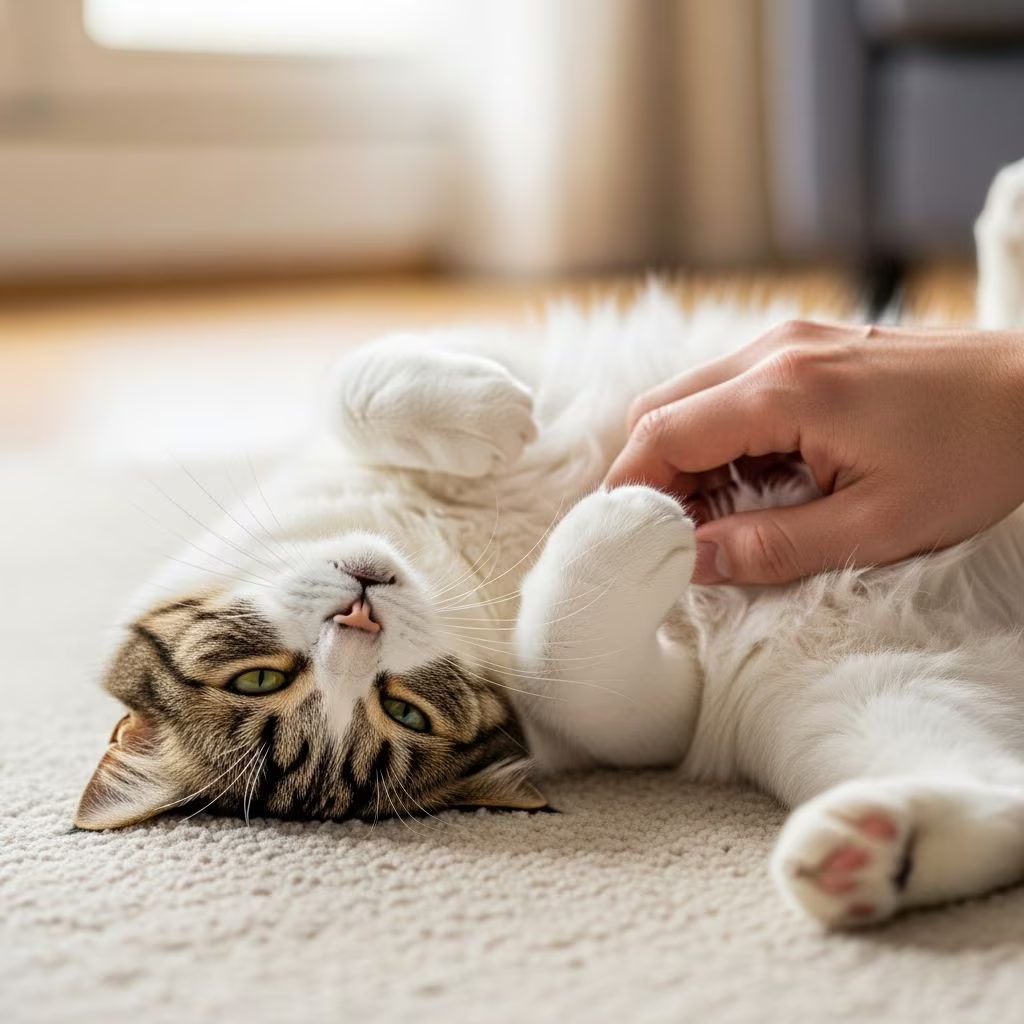
Cats often roll over to expose their bellies, tempting owners to give affectionate rubs, but many respond with claws or teeth. This “belly trap” stems from the abdomen’s vulnerability and sensitivity, not a universal invitation for petting.
Why Do Cats Show Their Bellies?
When a cat flips onto its back and reveals its tummy, it’s typically a sign of trust and relaxation, not submission like in dogs. According to experts, this gesture indicates the cat feels safe enough to expose its most vulnerable area, as the belly houses vital organs. However, it’s often misinterpreted by humans as an open invitation for rubs.
Dr. Rachel Geller, a cat behavior specialist, explains that rolling over might simply mean stretching, scratching an itch, or communicating affection through body language rather than soliciting touch. In evolutionary terms, cats in the wild rarely expose their undersides voluntarily, making this a high-trust signal in domestic settings.
The Vulnerability of a Cat’s Belly
The cat’s belly is one of the most protected parts of its body, serving as a survival tactic against predators. Stephen Quandt, a certified feline behavior specialist, notes that from an evolutionary viewpoint, defending the belly is instinctual because it’s home to critical organs. Touching it can trigger a defensive response, even from trusted owners.
This vulnerability explains why many cats swat or bite when petted there—it’s not personal but a hardwired reflex to protect themselves. Studies and observations show that 42% of people ignore subtle negative signals and rub the belly anyway, leading to defensive reactions.
Sensitivity and Overstimulation
Cats’ belly fur is packed with hypersensitive nerve endings and hair follicles, making even gentle strokes feel overwhelming. Dr. Sabrina Kong explains that what humans perceive as light petting can cause sensory overload for the cat. This heightened sensitivity acts as a protective mechanism, alerting the cat to potential threats near vital areas.
Over time, prolonged rubbing can shift from pleasant to irritating, similar to how foot massages turn ticklish for humans. Even tolerant cats usually enjoy it for only a few minutes before discomfort sets in.
Early Socialization Matters
Kittens socialized with gentle belly touching during their critical development window (typically 2-7 weeks) are more likely to tolerate or enjoy it as adults. If not exposed positively, they may develop a lifelong aversion. Lack of early handling means the belly remains a no-touch zone, associating it with stress rather than pleasure.
Owners of well-socialized cats might find their pets more receptive, but individual temperament plays a role too.
Misreading Cat Body Language
Humans often mistake a relaxed belly exposure for consent, but cats have personal boundaries. Upright ears, slow blinks, and loose paws signal comfort, while pinned ears, twitching tail, dilated pupils, and tense muscles indicate discomfort.
Here’s a table comparing positive and negative belly rub signals:
| Positive Signals (Okay to Pet Nearby) | Negative Signals (Stop Immediately) |
|---|---|
| Upright ears | Pinned or flattened ears |
| Slow blinking eyes | Dilated pupils, staring |
| Loose, kneading paws | Rigid paws, swatting |
| Gentle purring, rumbling | Twitching tail, growling |
| Relaxed body stretch | Tense muscles, skin rippling |
Paying attention prevents the “Venus Fly Trap” effect, where a seemingly inviting pose snaps into defense.
Negative Associations from Past Experiences
Some cats link belly touches to unpleasant events like vet exams, grooming, or rough handling. Shy kittens are particularly prone to forming these associations, extending dislike beyond the moment. Pain from medical issues, such as urinary problems or skin conditions, can also make the area hypersensitive, warranting a vet check if aversion is sudden.
Do Some Cats Actually Like Belly Rubs?
Yes, not all cats hate them—some enjoy the sensation, especially if it comes from a trusted person. Reasons include positive early experiences, lower sensitivity thresholds, or simply finding it pleasurable. These cats often purr, knead, and relax fully during rubs.
- They have a strong bond with the owner.
- The rubbing provides a soothing, itch-relieving massage.
- Genetic or breed factors make them more tolerant (e.g., some Ragdolls or affectionate mixes).
Individual preferences vary by age, breed, history, and personality—no one-size-fits-all.
How to Tell If Your Cat Likes or Hates Belly Rubs
Observe reactions closely: enjoyment shows as prolonged purring, eye closure, and paw flexing without aggression. Dislike appears as sudden bites, scratches, vocalizing, or fleeing.
Start slow—hover your hand without touching, then lightly stroke for seconds, stopping at any tension. Use treats to reinforce tolerance, building positive associations over weeks.
Safe Alternatives to Belly Rubs
Respect boundaries by focusing on preferred zones:
- Cheeks and chin (scent gland areas for bonding).
- Top of head and behind ears.
- Along the back and base of tail (avoid overstimulating).
- Neck scratches for many cats.
Interactive play with toys strengthens bonds without risking scratches.
Can You Train Your Cat to Like Belly Rubs?
It’s possible with patience using desensitization: Begin by touching paws, rewarding with treats, then progress to belly over weeks. Fear-free techniques emphasize choice and positivity. However, if your cat shows pain or extreme aversion, consult a vet first—underlying health issues could be at play.
Not all cats will come around; forcing it erodes trust. Some bellies are simply off-limits, and that’s normal.
Frequently Asked Questions (FAQs)
Why does my cat show its belly but then attack?
Exposing the belly signals trust or relaxation, not an invitation to rub. The sensitive skin triggers defense when touched.
Is it normal for cats to hate belly rubs?
Yes, perfectly normal due to vulnerability and sensitivity. Some tolerate or love it, but most prefer other areas.
What if my cat suddenly dislikes all petting?
This could indicate pain, illness, or stress—schedule a vet visit promptly.
How can I teach my cat to enjoy belly rubs?
Use gradual desensitization with treats, starting from paws. Respect signals and never force it.
Are there breeds that like belly rubs more?
Preferences are individual, but affectionate breeds like Ragdolls may tolerate them better with proper socialization.
Final Thoughts
Understanding the “cat tummy trap” fosters better relationships. While tempting, belly rubs often lead to mishaps—stick to safe zones, read body language, and cherish your cat’s unique quirks for a scratch-free bond.
References
- Why Does My Cat Hate Belly Rubs? Is This Normal? — Chewy. 2023. https://www.chewy.com/education/cat/training-and-behavior/why-does-my-cat-hate-belly-rubs
- Why Don’t Cats Like Their Belly Touched? — Cats.com. 2024. https://cats.com/why-dont-cats-like-their-belly-touched
- Do Cats Like Their Belly Rubbed? — Rover.com. 2023. https://www.rover.com/blog/do-cats-like-belly-rubs/
- Why So Many Humans Miss Grumpy Cat Signals — StudyFinds.org. 2022. https://studyfinds.org/humans-miss-grumpy-cat-signals/
- Why are cats so weird about belly rubs? — WhyCatWhy.com. 2023. https://www.whycatwhy.com/why-are-cats-so-weird-about-belly-rubs/



