

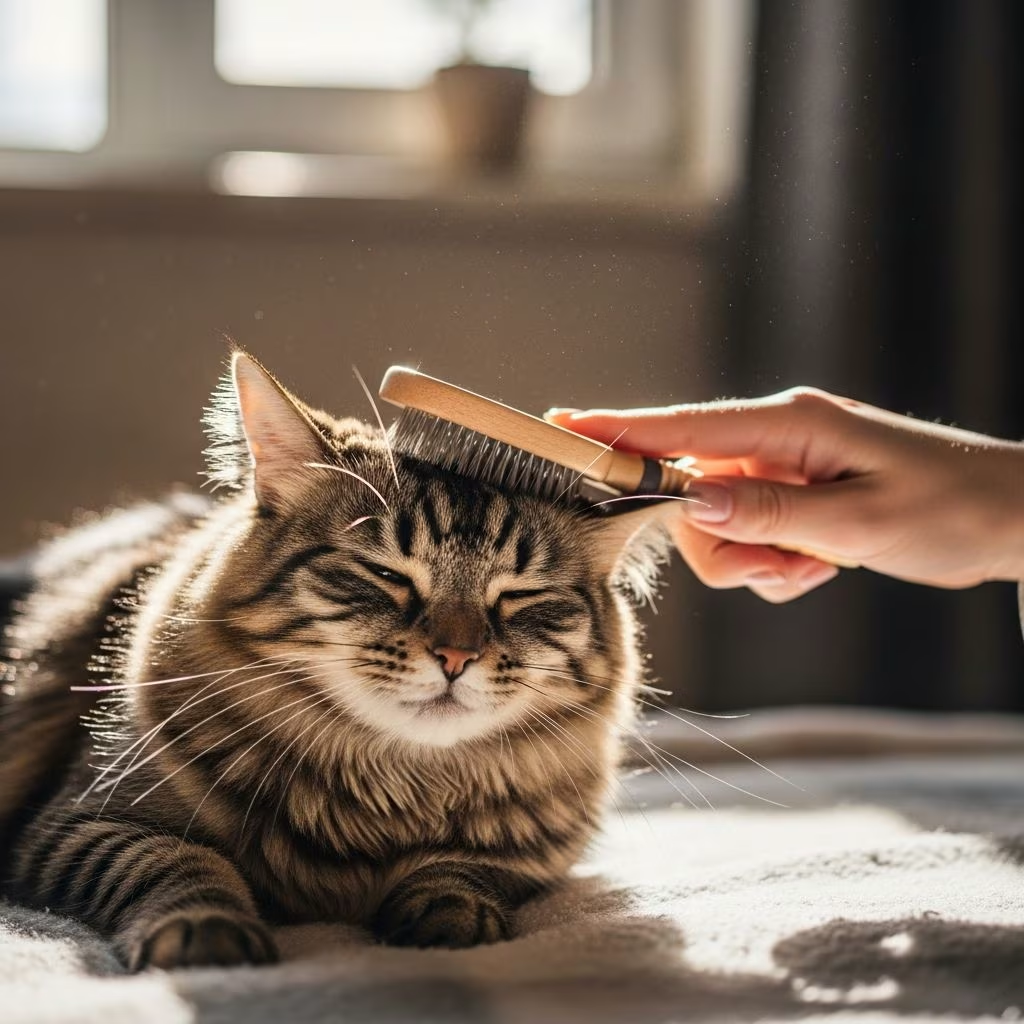
Cats are renowned for their self-grooming habits, but regular brushing by their owners offers significant benefits that many felines come to appreciate. While not all cats immediately enjoy brushing, most learn to love it as a soothing massage that mimics social grooming among cats, reducing stress and strengthening bonds.
Why Do Cats Need to Be Brushed?
Cats spend up to half their waking hours grooming themselves using barbed tongues to remove dirt, distribute oils, and control parasites. However, brushing provides advantages their tongues can’t match, such as removing deep undercoat fur that leads to hairballs and mats.
Regular brushing removes loose dead hair before cats ingest it during self-grooming, significantly cutting hairball frequency. It also stimulates skin circulation, spreads natural oils for a shinier coat, and allows early detection of health issues like lumps, fleas, or skin irritations. Longhaired breeds especially benefit, as they struggle to prevent painful mats in armpits and hindquarters.
Do Cats Like Being Brushed?
Many cats enjoy brushing once accustomed to it, responding with purring, kneading, and relaxed body language as it provides gentle massage and attention. The sensation mimics mutual grooming in cat colonies, releasing oxytocin—the “love hormone”—that reduces anxiety for both cat and owner.
However, some cats resist initially due to unfamiliar sensations or negative past experiences. Patient introduction with the right tools turns most skeptics into enthusiasts. Senior cats particularly appreciate help, as arthritis and declining flexibility hinder self-grooming.
Benefits of Brushing Your Cat
Brushing delivers multifaceted health and lifestyle improvements. Here’s a comprehensive breakdown:
- Reduces Shedding: Removes loose fur before it scatters around your home, keeping furniture and clothes cleaner.
- Prevents Hairballs: Less ingested fur means fewer gastrointestinal blockages and vomiting episodes.
- Improves Coat and Skin Health: Distributes sebum oils evenly, stimulates blood flow, and removes debris to prevent infections.
- Early Health Detection: Reveals lumps, wounds, parasites, or thinning fur during hands-on sessions.
- Strengthens Bonding: Quality time builds trust; many cats solicit brushes as affection.
- Reduces Stress: Calming ritual lowers anxiety, especially beneficial for multi-cat or high-stress households.
How Often Should You Brush Your Cat?
| Coat Type | Recommended Frequency | Reason |
|---|---|---|
| Shorthair | 2-3 times weekly | Manages seasonal shedding, maintains gloss |
| Longhair | Daily | Prevents mats, removes heavy undercoat |
| Senior/Obese | 4-7 times weekly | Compensates for limited self-grooming ability |
| Shedding Season | Daily | Controls heavy fur loss |
Adjust based on individual shedding patterns and lifestyle. During spring/fall shedding peaks, increase to daily for all cats.
What Are the Best Brushes for Cats?
Choose tools matching your cat’s coat and preferences:
- Slicker Brush: Fine wire pins ideal for removing tangles and undercoat from longhairs.
- Bristle Brush: Soft nylon for short coats; distributes oils effectively.
- Rubber Curry Brush: Massaging nubs collect fur and stimulate skin; most cats love the sensation.
- De-shedding Tool: Blade removes 90% undercoat; use sparingly to avoid over-brushing.
- Wide-Tooth Comb: Final step detects missed mats.
Start with soft options for sensitive skin. Let cats sniff and rub against brushes first.
How to Brush Your Cat: Step-by-Step Guide
- Prepare Environment: Choose quiet time when cat is relaxed, like post-meal. Use non-slip surface.
- Introduce Gently: Let cat investigate brush. Pet first, then lightly brush favored spots like cheeks, shoulders.
- Follow Fur Direction: Stroke from head to tail base. Use short, gentle motions on flanks.
- Target Trouble Areas: Armpits, groin, hind legs prone to mats. Part fur to check skin.
- Short Sessions: 5-10 minutes max initially. End positively with treats/praise.
- Clean Up: Dispose fur immediately to prevent ingestion.
Progress gradually; consistency builds positive associations.
What If Your Cat Hates Being Brushed?
Persistent resistance requires strategy:
- Try Different Tools: Switch textures until finding a winner.
- Use Treats/Lures: Pair brushing with favorites like Churu or wand toys.
- Brush During Calm Moments: Sleepy post-meal states work best.
- Glove Brushes: Hands-on grooming feels like petting.
- Professional Help: Vet behaviorists address underlying anxiety.
Never force; stress undermines benefits and trust.
Brushing Tips for Special Cases
Longhaired Breeds (Persian, Maine Coon): Daily sessions essential; focus on belly/vulnerable spots.
Senior Cats: Use softest brushes; arthritis limits reach. Check for overgrowth.
Kittens: Start early (8 weeks) for lifelong acceptance.
Feral/Rescue Cats: Ultra-slow desensitization with food rewards.
Common Brushing Mistakes to Avoid
- Brushing against growth direction (irritates skin).
- Over-brushing (damages coat).
- Ignoring mats (lead to infections).
- Rushing sessions (creates aversion).
- Skipping health checks (misses issues).
Frequently Asked Questions (FAQs)
Do all cats like being brushed?
Most do once acclimated, but some tolerate rather than love it. Benefits outweigh reluctance.
Is brushing necessary for short-haired cats?
Yes, reduces shedding/hairballs and enables health monitoring.
Can brushing replace professional grooming?
For most home maintenance, yes; pros handle severe matting.
What if my cat swallows brush fur?
Minimal risk; dispose immediately. Monitor for blockages.
How young can I start brushing?
From 8 weeks to establish habit.
References
- Reasons to Brush Your Cat — Safford Vets. 2025. https://saffordvets.com/reasons-to-brush-your-cat/
- Why Grooming Your Cat is Essential — Ridgeline Vet Clinic. 2024. https://www.ridgelinevetclinic.com/blog/why-grooming-your-cat-is-essential-for-their-health-and-happiness
- 5 Benefits of Brushing Your Cat — The Refined Feline. 2024. https://www.therefinedfeline.com/5-reasons-you-should-consider-brushing-your-cat/
- Regular Grooming Can Keep Your Cat ‘Feline’ Fine — Texas A&M College of Veterinary Medicine & Biomedical Sciences (.edu). 2023. https://vetmed.tamu.edu/news/pet-talk/cat-grooming/
- Cat Brushing 101 — Zoetis Petcare. 2024. https://www.zoetispetcare.com/blog/article/cat-brushing



