

Do Cats Like Air Conditioning?
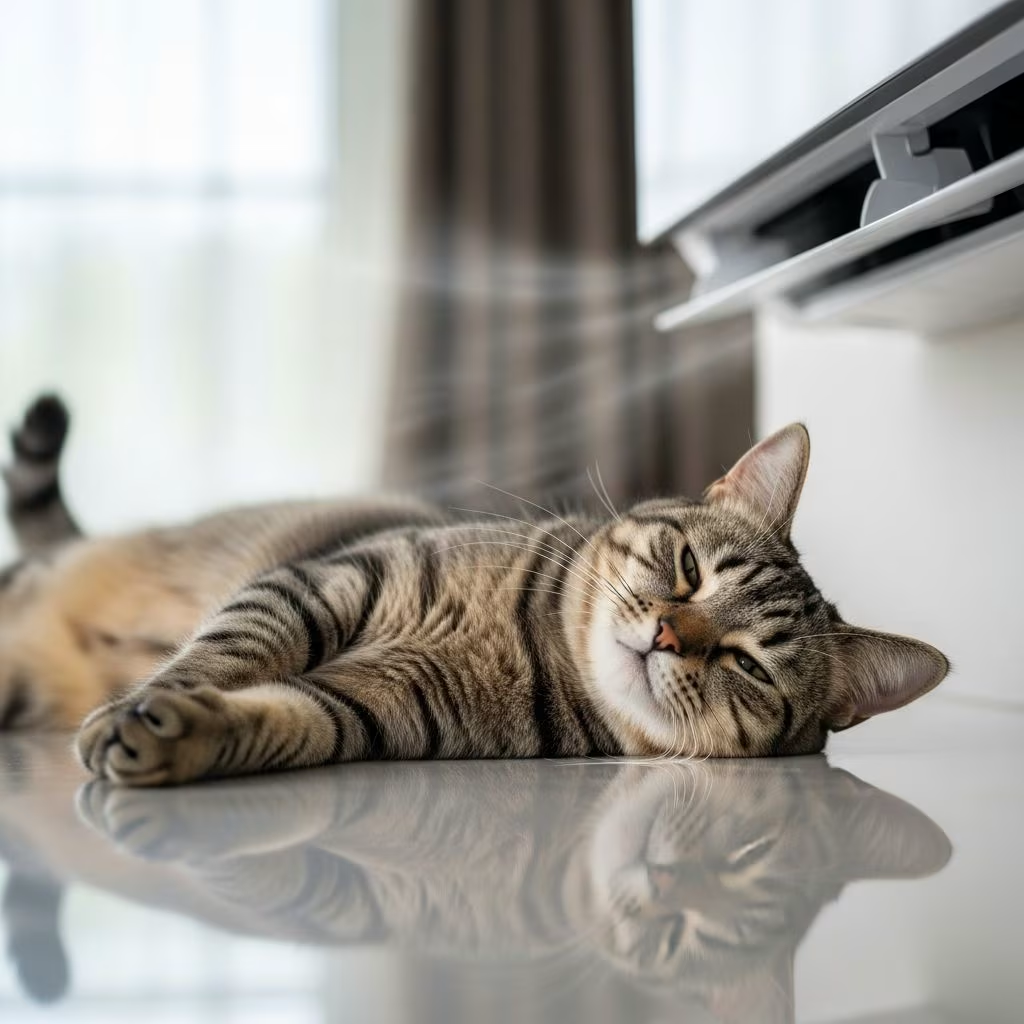
Many cats will enjoy moderate air conditioning if it’s used on a hot day, as it helps them stay cool. In natural settings, cats remain inactive during the hottest parts of the day, finding cool places to rest until temperatures drop. When domesticated, felines don’t need to hunt, but they may still become inactive if they get too hot, simply trying to retain their energy. Air conditioning can help keep them comfortable and encourage normal activity levels. If your cat seems to be sleeping on the cool floor and not doing much during the day, you may need to adjust your air conditioner slightly to maintain their comfort.
Temperature Preferences for Cats
Just like people, cats enjoy their environment best when maintained at a suitable temperature. During moderate temperatures, insulation can provide cooler areas in some cases, but you may need to utilize an air conditioner on scorching days. House cats benefit from temperatures between 75-78°F during hot weather due to their limited cooling mechanisms. Whether your cat needs air conditioning depends on your climate and their access to naturally cool spaces.
When Your Cat Needs Air Conditioning
Your cat simply needs somewhere to cool off to prevent overheating; otherwise, heat exhaustion and heat stroke are possible. Generally, most cats only need AC if the area gets hotter than 100 degrees Fahrenheit, or if there isn’t sufficient ventilation, depending on humidity levels. Tropical areas will require AC regardless of specific temperature thresholds. However, you should always watch your cat when the temperature begins to climb, as some cats may overheat at temperatures lower than 100 degrees Fahrenheit if they are more active, in an enclosed area, or simply more susceptible to heat.
Why Cats Have Limited Cooling Abilities
Cats have significantly worse cooling systems than humans, despite their higher baseline body temperature from desert ancestry. This limited cooling ability makes cats surprisingly vulnerable to heat stress. When temperatures climb, they rely on finding cooler surfaces, grooming through evaporation, panting (an inefficient process and warning sign when excessive), and reducing activity to conserve energy and heat production.
The key difference between feline and human cooling is that fans work for humans because they accelerate the evaporation of sweat from our skin. Since cats barely sweat, fans do little to cool them beyond providing some air circulation. Cats only have tiny sweat glands located in their paws, making them surprisingly vulnerable when temperatures climb.
Why Air Conditioning Matters More Than You Think
Indoor temperatures can quickly become dangerous for cats even when outdoor conditions seem merely warm rather than scorching. This happens because homes trap heat, often reaching temperatures 10-15°F higher than outdoors. Limited airflow reduces cooling opportunities, sunlight through windows creates hot zones that persist for hours, and modern insulation designed to keep homes warm in winter also traps summer heat.
Studies have found that cats living in homes without air conditioning show measurable signs of heat stress when indoor temperatures exceed 85°F (29.4°C) for extended periods. These include elevated heart rates, reduced activity, and changes in respiratory patterns—all before obvious symptoms of heat distress appear.
Benefits of Air Conditioning for Cats
The benefits of air conditioning for cats extend beyond immediate comfort:
- Prevents dehydration (cats drink more when overheated)
- Reduces risk of heat-related illness
- Maintains normal activity levels and eating habits
- Prevents sleep disruption due to heat discomfort
- Creates a stable environment for cats with health conditions
Beyond Temperature: Other Comfort Factors
Humidity Levels
High humidity dramatically reduces cats’ cooling efficiency. In humid climates, setting temperatures 2-3°F lower helps compensate for reduced evaporative cooling. When humidity is high, air conditioning becomes even more critical for your cat’s wellbeing.
Air Movement
Proper ventilation prevents temperature stratification where hot air collects near ceilings. While fans provide minimal direct cooling for cats, they help maintain consistent temperatures throughout living spaces. Even without a full air conditioning system, keeping air moving through your home can provide some relief during hot weather.
Early Warning Signs Your Cat Is Too Warm
Watch for these subtle indicators that your cat may be overheating and might benefit from air conditioning or other cooling interventions:
Mild Heat Discomfort
- Seeking cooler surfaces – When cats abandon favorite resting spots for tile floors, bathtubs, or sinks
- Changed positioning – Sprawling out with limbs extended rather than the typical curled position
- Decreased activity – Unusual lethargy or reluctance to play
- Increased water consumption – More frequent visits to the water bowl
- Elevated grooming – Excessive licking to create cooling through evaporation
Moderate Heat Distress
As temperatures rise or exposure continues, cats show more pronounced signs:
- Panting – Unlike dogs, panting in cats is never normal except immediately after intense activity
- Restlessness – Inability to get comfortable, frequently changing positions or locations
- Sweaty paws – Damp paw prints on cool surfaces (one of the few places cats sweat)
- Rapid breathing – Breathing that appears faster than their normal respiratory rate
- Redness of ears and paw pads – Increased blood flow to these areas in attempts to dissipate heat
At this stage, immediate cooling measures should be taken, including adjusting the room temperature for cats to the lower end of their comfort range.
Are Cats Scared of Air Conditioners?
Some cats may be scared of the noise that air conditioners make. This depends primarily on whether they were around loud noises growing up. If your cat has been raised around your loud air conditioner, it probably won’t bother them much. However, if they were adopted as an adult, it makes sense that the noisiness of the air conditioner may bother them.
Additionally, some cats simply don’t like air conditioning because it’s loud, air blows out at them, and it makes the air in the room smell different and unusually to them. If your cat seems bothered by the noise, you might consider using your AC during times when your cat is less likely to be stressed, or gradually acclimating them to the sound.
Special Considerations for Certain Cats
Brachycephalic Breeds
Brachycephalic cat breeds will overheat faster due to their body and face conformation, making it harder for them to breathe adequately in the first place. They can get too hot at a lower temperature or with minimal exercise. If you have a flat-faced breed like a Persian, British Shorthair, or Himalayan, be extra vigilant about heat management.
Cats with Health Issues
Some cats may overheat at lower temperatures if they simply are more susceptible to heat or have an underlying health issue. You should always judge whether your cat needs a cooling area based on their behavior, not necessarily the temperature outside.
Air Conditioning in Cars and Enclosed Spaces
Heat in an enclosed space is hazardous, as there won’t be enough airflow for the cat to cool themselves properly, which can cause them to overheat at a lower temperature. Cars are particularly dangerous, and it goes without saying that cats (or any other animal) should absolutely never be left alone in a car during warmer months of the year. The car should have adequate ventilation and an ambient temperature, and any car journeys during this time should be kept to a minimum.
Effectiveness of Different Cooling Methods
Here’s a comparison of various cooling methods for cats:
| Cooling Method | Effectiveness | Notes |
|---|---|---|
| Open Windows | Low-Medium | Provides fresh air but may not lower temperature |
| Fans | Low | Minimal effect on cat’s body temperature |
| Cold Surfaces | Medium | Temporary relief but doesn’t cool ambient air |
| Air Conditioning | High | Consistently lowers ambient temperature |
| Cooling Mats | Medium | Helps individual cats but not room temperature |
How to Keep Your Cat Cool Without AC
If you don’t have air conditioning, there are several strategies to help keep your cat comfortable:
- Keep air moving throughout the home with portable fans to avoid stagnant, still heat
- Purchase a small, table-like plastic device with slats that allows air to move beneath your cat’s sleeping area and create more ventilation
- Provide access to cool tile floors, sinks, and bathtubs where cats naturally seek relief
- Use cooling mats designed specifically for pets
- Keep windows open during cooler parts of the day and closed during hot hours
- Provide plenty of fresh water for hydration
Watch for Emergency Signs
If your cat shows signs of severe heat distress like panting, drooling, vomiting, or appearing distressed and weak, they will need immediate cooling and a trip to the vet. Symptoms such as unexplained restless behavior, excessive panting, drooling, vomiting, lethargy, staggered gait, red tongue or mouth, and rapid breathing require urgent attention.
Frequently Asked Questions About Cats and Air Conditioning
Q: At what temperature do cats need air conditioning?
A: Generally, most cats only need AC if the area gets hotter than 100 degrees Fahrenheit, or if there isn’t sufficient ventilation depending on humidity. However, studies show heat stress signs appear when indoor temperatures exceed 85°F (29.4°C) for extended periods. The ideal temperature range for cats is 75-78°F during hot weather.
Q: Can I leave my cat in a car with the air conditioning on?
A: No. Cats should absolutely never be left alone in a car during warmer months of the year. Even with air conditioning running, if the car is turned off or the AC fails, your cat could suffer heat stroke within minutes.
Q: Why do cats seek out the hottest spots in the house?
A: Cats often gravitate toward warmer areas because of their desert ancestry and higher baseline body temperature preference. However, if your cat is spending excessive time in hot areas and showing signs of lethargy, they may actually be overheating rather than preferring heat.
Q: Will air conditioning make my cat sick?
A: No, properly functioning air conditioning will not make your cat sick. In fact, it helps prevent heat-related illness. However, sudden extreme temperature changes could theoretically cause discomfort, so gradual adjustment is ideal.
Q: Do all cats need air conditioning?
A: Not all cats need AC, especially if they live in mild climates with regular access to cool, shaded indoor areas. However, cats in tropical regions, those in enclosed spaces, or breeds susceptible to heat stress should have access to air conditioning during hot weather.
Q: How can I tell if my cat is overheating?
A: Early signs include seeking cooler surfaces, sprawling out with extended limbs, decreased activity, increased water consumption, and excessive grooming. More serious signs include panting, restlessness, sweaty paws, rapid breathing, and redness in the ears and paw pads.
Take Care of Your Cat in the Summer
The evidence suggests that despite their desert ancestry, house cats benefit from temperatures between 75-78°F during hot weather. Their limited cooling mechanisms (those tiny sweat glands only in their paws) make them surprisingly vulnerable when temperatures climb. By understanding your cat’s needs and providing appropriate cooling measures, you can ensure your feline friend stays comfortable, healthy, and happy throughout the warm months. Monitor your cat’s behavior closely during hot weather, provide access to cool spaces, and don’t hesitate to run your air conditioner when temperatures rise above safe levels for your pet.
References
- Do Cats Need Air Conditioning in Summer? Comfort For Cats — Sensibo. Accessed January 2026. https://learn.sensibo.com/b2c-blog/do-cats-need-air-conditioning-in-summer
- Do Cats Like Air Conditioning? What You Should Know & Vet Advice — Catster. Accessed January 2026. https://www.catster.com/lifestyle/do-cats-like-air-conditioning/
- How to Keep Cats Cool in the Summer Without AC — Paw CBD. Accessed January 2026. https://www.pawcbd.com/blogs/posts/how-to-keep-cats-cool-in-the-summer-without-ac
- What You Need to Know About the Summer Heat and Your Cat — Pet Medical Center Vero Beach. Accessed January 2026. https://www.petmedicalcenterverobeach.com/what-you-need-to-know-about-the-summer-heat-and-your-cat



