

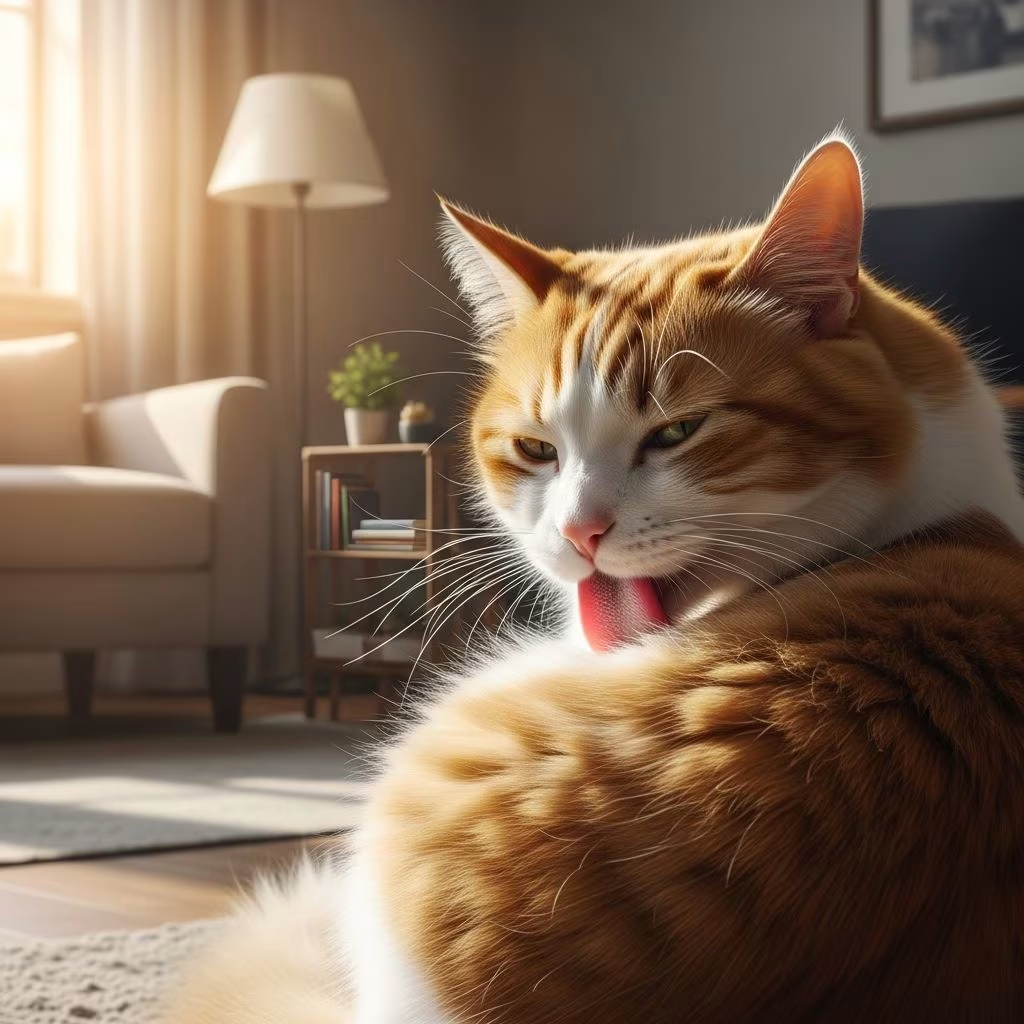
Cats are meticulous groomers, spending up to 50% of their waking hours licking their fur. Many owners notice their cat immediately starts grooming after being petted, leading to the question: are they trying to remove the human scent left on their coat? This behavior stems from a mix of instinctual hygiene, territorial marking, and social bonding, not necessarily rejection. While cats do prefer their own scent profile, excessive licking often signals normal self-maintenance rather than disdain for human touch.
Understanding this requires exploring feline olfaction and grooming rituals. Cats possess over 200 million scent receptors, far surpassing humans’ 5 million, making them highly sensitive to odors. Human scents, from skin oils to lotions, can alter their carefully curated “smell uniform,” prompting grooming to restore it. However, this is rarely about “getting you off” but maintaining identity in their scent-driven world.
Why Do Cats Groom Themselves So Much?
Grooming is a cornerstone of feline behavior, serving multiple vital functions beyond mere cleanliness. Cats lick to remove dirt, debris, and excess oils, distributing natural sebum for a glossy, waterproof coat that aids temperature regulation. The tongue’s tiny barbs act like a comb, detangling fur and stimulating blood flow to the skin.
This ritual also reinforces territorial boundaries. Saliva contains pheromones from facial and paw glands, which cats spread via licking to mark themselves as “home.” Environments smelling like their own scent provide security, explaining post-petting grooming. In multi-cat households, this self-scenting prevents scent-mixing that could spark conflicts.
- Hygiene: Removes parasites, allergens, and food residues, preventing matting.
- Temperature Control: Evaporative cooling from saliva lowers body heat in warm conditions.
- Social Signaling: Allogrooming (mutual licking) in colonies builds trust; solo grooming mimics this for comfort.
- Stress Relief: Repetitive licking releases endorphins, akin to human meditation.
Normal grooming sessions last 5-10 minutes multiple times daily. Kittens learn from mothers, making it a lifelong habit ingrained by 8 weeks.
The Role of Scent in Cat Behavior
Scent dominates cats’ perception of the world. Their vomeronasal organ (Jacobson’s organ) in the roof of the mouth analyzes pheromones, triggered by lip-licking or flehmen response (curling upper lip). When you pet a cat, your apocrine gland secretions transfer to their fur, disrupting their olfactory map.
Cats maintain a baseline scent from glands on cheeks, flanks, and tail base. Foreign odors prompt licking to overlay with saliva pheromones, reclaiming territory. This isn’t erasure of your scent specifically but restoration of familiarity. Studies show cats rub against owners to add their scent to humans, indicating bonding, not avoidance.
In feral colonies, synchronized scents via communal grooming reduce aggression. Domestic cats extend this to humans, viewing families as surrogate colonies. Post-interaction licking reaffirms group membership.
Do Cats Dislike Human Scent on Their Fur?
The myth persists that cats groom to “remove” human scent as if it’s repulsive. Reality is nuanced: cats neither love nor hate it but seek olfactory consistency. They may investigate your scent curiously via licking, enjoying salty skin tastes. Products like lotions or sunscreens can irritate, prompting more vigorous grooming.
Observation: Cats often purr and knead during petting, then groom leisurely—not frantically. This sequence (affection → grooming) suggests integration, not rejection. If aversion existed, they’d avoid contact altogether.
| Behavior | Indicates Dislike? | Actual Meaning |
|---|---|---|
| Immediate grooming after petting | No | Restoring personal scent profile |
| Avoids touch, licks excessively alone | Possible stress | Environmental trigger or anxiety |
| Grooms you back | No | Affectionate bonding/marking |
| Fur loss from licking | Yes, concern | Overgrooming—health issue |
When Grooming Becomes Excessive: Signs of Overgrooming
While routine licking is healthy, overgrooming—bald patches, red skin, scabs—signals problems. Psychogenic alopecia, stress-induced hair loss, affects 10-20% of cats, per veterinary reports. Triggers include anxiety from changes like new pets or moves.
Medical causes: Allergies (fleas, food, pollen) cause itch-relief licking. Dental pain or nausea prompts repetitive motions. Track patterns: Does it target one area (e.g., belly)? Occur post-exposure to scents?
- Symptoms: Thinning fur, hotspots, behavioral changes like hiding.
- Risk Factors: Indoor-only cats, recent stressors.
Intervene early: Consult vets for flea checks, diet trials, or anti-anxiety aids.
Normal vs. Problematic Licking Behaviors
Distinguishing requires context. Normal: Scattered sessions, even coat. Problematic: Relentless, localized baldness.
Environmental cues amplify normal grooming. Strong smells (perfumes, cleaners) activate vomeronasal response, increasing licks. Dry air or allergens do the same. Stress from vets or noises pairs licking with lip-smacking.
Food and Anticipation Licking
Post-meal cleanup prevents scent attraction to predators. Anticipatory licks prepare saliva flow.
Stress Indicators
Lip-licking during car rides or introductions signals unease. Self-grooming soothes via endorphins.
How to Reduce Excessive Grooming in Cats
Address root causes holistically.
- Minimize Stress: Pheromone diffusers (Feliway), quiet spaces, consistent routines.
- Scent Management: Fragrance-free products; let cat initiate contact.
- Enrichment: Toys, scratching posts for natural marking.
- Vet Check: Rule out allergies, parasites; consider cone collars temporarily.
- Diet Tweaks: Omega-3 supplements for skin health.
Positive reinforcement: Reward calm behavior with treats like lickable purees. Interactive play burns energy, curbing stress grooming.
FAQs
Why does my cat lick itself right after I pet it?
This restores their scent profile after human odors transfer via touch. It’s instinctual hygiene and marking, not dislike.
Is excessive licking a sign my cat hates my smell?
No—it’s often stress, allergies, or normalcy. Monitor for bald spots; consult vet if persistent.
Should I stop petting my cat if it grooms a lot?
Not at all. Reduce scented products and observe patterns. Bonding licks (on you) indicate trust.
What if my cat licks to baldness?
Overgrooming warrants vet visit for fleas, food allergies, or anxiety. Early treatment prevents chronic issues.
Do all cats groom to remove scents?
Most do mildly post-interaction for self-scenting. Extremes signal issues.
Conclusion: Embrace the Groom
Cats lick post-petting to reaffirm identity, not reject you. Cherish it as a sign of their wild instincts in your home. Monitor for excess, enrich environments, and enjoy the bond—your scent on them means you’re family.
References
- What It Means When Cats Lick Their Lips — Midtown Veterinary Practice. 2023. https://midtownveterinarypractice.com/blog/cats-lick-their-lips/
- Why Does My Cat Groom Me? Is This Normal? — Chewy. 2024. https://www.chewy.com/education/cat/training-and-behavior/behavior-pet-body-language-why-does-my-cat-lick-me
- Feline Wisdom: The Importance of Licking and Sniffing for Cats — KONG Company. 2023. https://www.kongcompany.com/feline-wisdom-the-importance-of-licking-and-sniffing-for-cats/



