

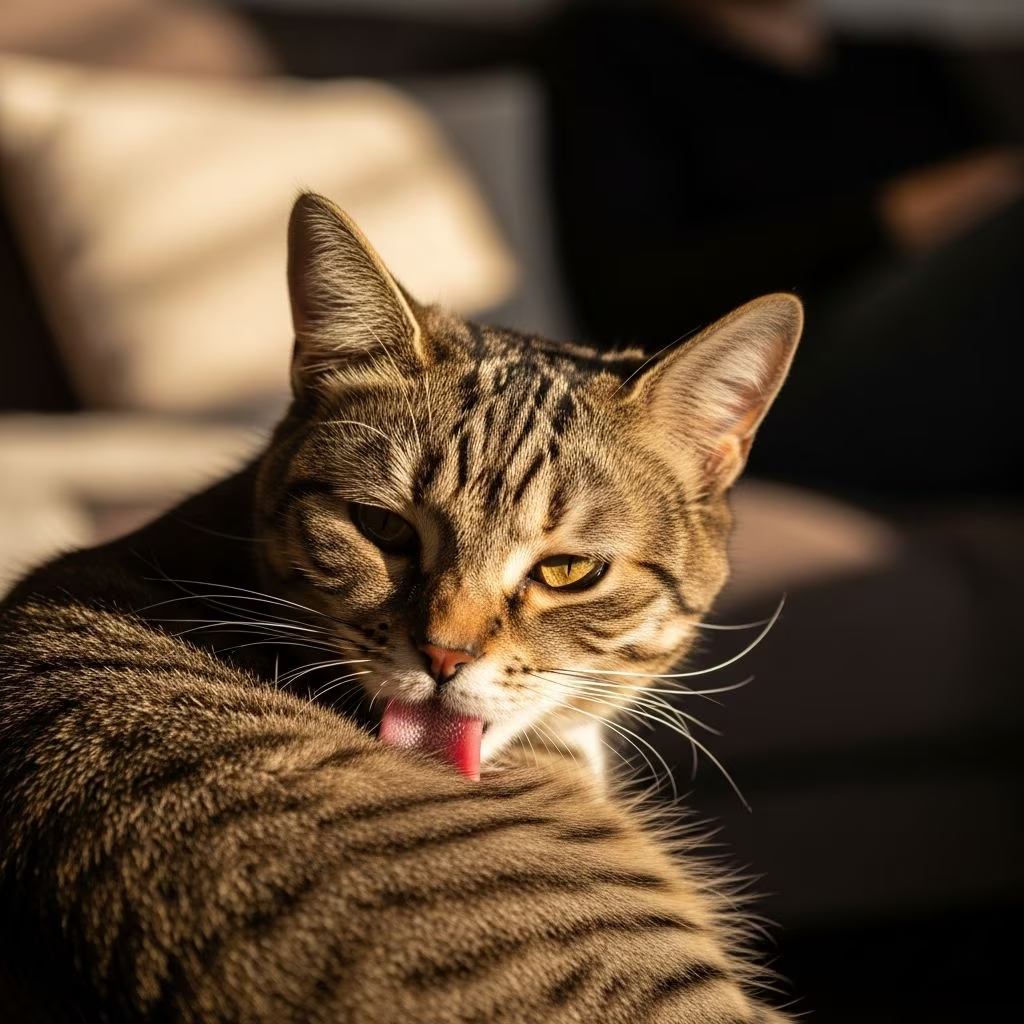
Cats are meticulous groomers, spending up to 50% of their waking hours licking their fur. But have you noticed your cat grooming excessively right after you pet them? Many owners wonder: do cats lick themselves to get your scent off? This behavior sparks curiosity and concern, as it might seem like rejection. In reality, it’s often a natural feline instinct tied to communication, territory, and hygiene.
This comprehensive guide dives deep into cat grooming habits. We’ll explore why cats lick after human interaction, distinguish normal from problematic overgrooming, and provide actionable advice. Drawing from veterinary insights, we address common myths and reveal what excessive licking truly signals about your cat’s well-being.
Understanding Cat Grooming Behavior
Grooming is a cornerstone of feline life. Cats lick to clean their coat, remove parasites, regulate body temperature, and spread natural oils for a healthy shine. Their barbed tongues act like combs, efficiently detangling fur and stimulating blood flow.
Beyond hygiene, grooming serves social purposes. In multi-cat households, allogrooming—licking another cat—strengthens bonds and shares scents, signaling group membership. When cats lick humans, it’s similar: an act of affection and inclusion. According to veterinary behaviorists, cats view trusted owners as family, extending grooming rituals to us.
However, post-petting grooming stands out. Cats have scent glands on cheeks, paws, and tails that transfer pheromones during petting. Your touch mixes human odor with these feline markers, prompting a ‘reset’ lick to reaffirm their identity. It’s not disdain—it’s instinctual scent management.
Why Do Cats Lick Themselves After You Pet Them?
Observing your cat’s furious licking after cuddles? Here are the primary reasons, backed by expert analysis:
- Scent Redistribution: Petting transfers your scent onto their fur. Cats lick to blend it with their own, creating a unified ‘colony smell.’ This mirrors how they groom each other, reinforcing social ties.
- Territorial Marking: Licking reapplies saliva-based pheromones, claiming their body amid foreign scents. It’s a subtle way to say, ‘This is mine, but you’re part of us.’ Dr. Hsia notes saliva glands mark territory effectively.
- Cleaning and Comfort: Your hands might carry residues like lotions or food smells cats find intriguing—or irritating. Licking removes these while releasing endorphins for relaxation.
- Affection Reciprocation: Just as they lick you to bond, self-grooming post-pet processes the interaction, savoring the connection.
Normal post-pet grooming lasts 1-2 minutes. If it’s brief and relaxed, rejoice—your cat loves you enough to ‘re-scent’!
Normal Grooming vs. Overgrooming: Key Differences
Not all licking is equal. Healthy grooming maintains coat condition without bald spots or raw skin. Overgrooming, however, indicates distress.
| Aspect | Normal Grooming | Overgrooming |
|---|---|---|
| Frequency | 3-5 times daily, 5-10 minutes each | Constant, interrupting other activities |
| Appearance | Gleaming coat, no hair loss | Bald patches, red/inflamed skin |
| Triggers | After meals, petting, play | Stressors like changes in home |
| Body Areas | Even distribution | Localized (belly, legs, base of tail) |
Overgrooming affects 10-15% of cats, often females, and can lead to feline psychogenic alopecia—hair loss from stress. Monitor for symmetry; one-sided licking may signal pain.
5 Common Causes of Excessive Grooming in Cats
Excessive self-licking post-pet isn’t always benign. Pinpoint causes with these insights:
- Allergies: Flea bites top the list— even one flea triggers itching. Food or environmental allergens cause hot spots. Symptoms: frantic licking on rump.
- Skin Infections or Parasites: Mites, ringworm, or bacterial issues inflame skin, prompting licks. Check for scabs or odor.
- Stress and Anxiety: New pets, moves, or loud noises spike cortisol, leading to comfort-licking. Cats lick for endorphins, mimicking nursing.
- Pain or Medical Issues: Arthritis, dental pain, or nausea manifest as redirected grooming. Hyperthyroidism accelerates licking.
- Boredom: Indoor cats without stimulation overgroom from underuse of natural behaviors.
Vets recommend flea preventives and diet trials first, as allergies mimic stress.
Is It a Sign Your Cat Doesn’t Like Your Scent?
The myth persists: cats lick to erase ‘yucky’ human smell. Truthfully, no. Cats relish mixed scents from loved ones—it affirms bonds. Wild cats mingle odors for camouflage and kinship. Domestic cats do likewise, with your scent as a welcome addition.
If aversion existed, they’d avoid contact altogether, not groom afterward. Studies show bonded cats seek human-scented items for comfort. Licking is ownership, not rejection.
When to Worry: Signs of Problematic Overgrooming
Worry if grooming causes:
- Hair loss exposing skin
- Self-inflicted wounds or scabs
- Irritability or hiding
- Weight loss or appetite changes
- Licking new areas suddenly
These signal vet intervention. Early detection prevents chronic issues like infections.
How to Help Your Overgrooming Cat
Address root causes systematically:
Rule Out Medical Issues
Schedule a vet exam: skin scrapes, bloodwork, flea combing. Treat parasites with vet-approved spot-ons.
Reduce Stress
- Enrich environment: scratching posts, window perches, puzzle feeders.
- Feliway diffusers mimic calming pheromones.
- Consistent routines minimize anxiety.
Grooming Alternatives
Brush daily to satisfy urges. Toys like lick mats divert attention.
Diet and Allergens
Hypoallergenic foods or hydrolyzed diets test sensitivities. Avoid human foods.
Prevention Tips for Healthy Grooming Habits
Proactive steps keep licking balanced:
- Regular Vet Checkups: Annual exams catch issues early.
- Flea Prevention: Monthly treatments year-round.
- Interactive Play: 15-20 minutes daily burns energy.
- Multi-Cat Harmony: Pheromone intros for new pets.
- Scent Management: Wash hands before petting if using strong lotions.
These foster confidence, curbing excess grooming.
Frequently Asked Questions (FAQs)
Do cats lick themselves after petting to remove human scent?
No, it’s typically to redistribute and blend scents, strengthening bonds rather than erasing yours.
Is excessive grooming always a health problem?
Not always—stress or boredom can trigger it, but vet evaluation rules out medical causes.
Why does my cat lick me then groom themselves?
Licking you bonds and marks you; self-grooming processes the shared scent exchange.
How much grooming is too much for cats?
Over 30% of time spent licking, with visible damage, warrants concern.
Can overgrooming lead to bald spots?
Yes, psychogenic alopecia results from chronic licking, treatable with behavior mods.
Final Thoughts on Feline Grooming
Your cat’s post-pet licking is a compliment—a sign of deep trust and affection. While occasional fervor is normal, vigilance spots when it tips into overgrooming. By understanding these behaviors, you empower better care. Consult vets promptly for changes, and enrich your cat’s world for optimal health. Happy grooming!
References
- Why Does My Cat Groom Me? Is This Normal? — Chewy. 2023. https://www.chewy.com/education/cat/training-and-behavior/behavior-pet-body-language-why-does-my-cat-lick-me
- Why do cats lick humans? — VCA Animal Hospitals. 2024. https://vcahospitals.com/shop/articles/why-do-cats-lick-humans
- Why does my cat lick me? — Cats Protection. 2023. https://www.cats.org.uk/cats-blog/why-does-my-cat-lick-me



