

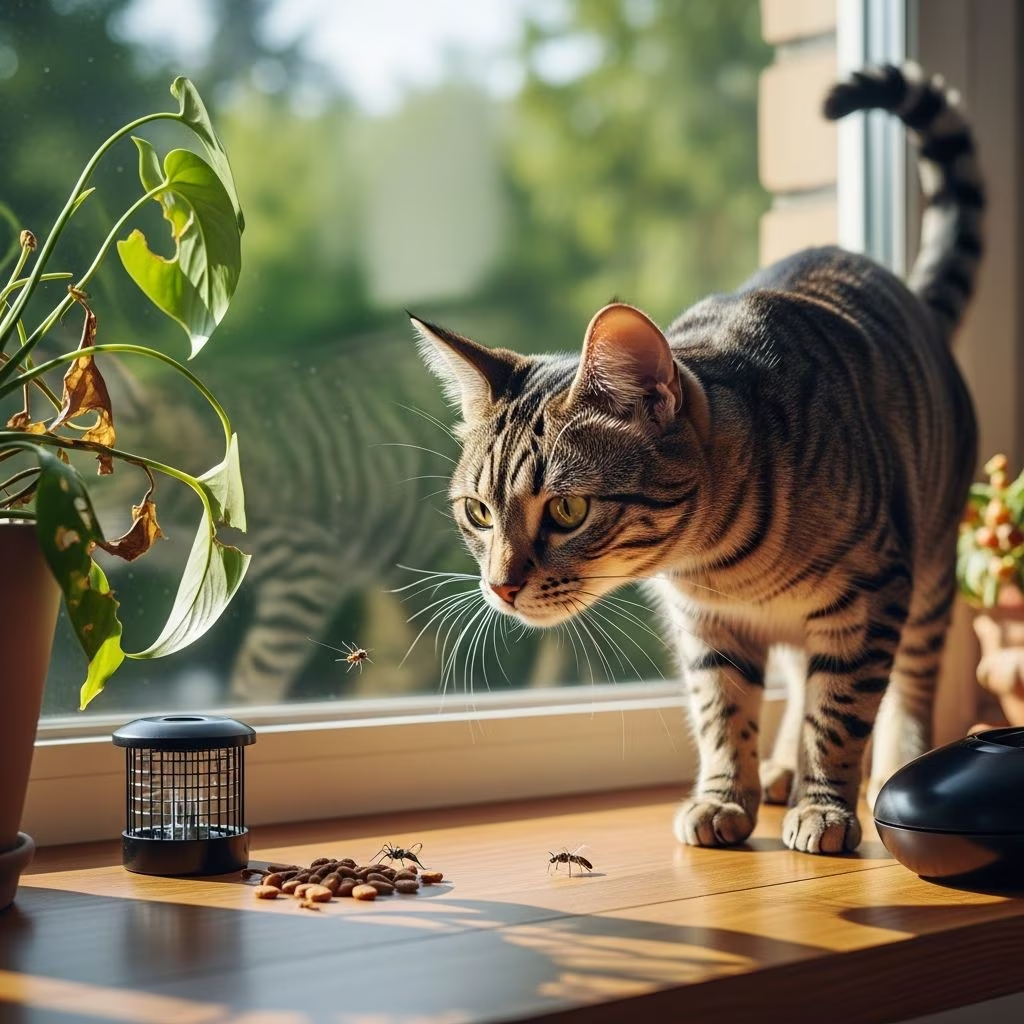
Cats possess natural hunting instincts that can help reduce bug populations in homes, particularly through pursuing small insects, while interactions with plants like catnip and silver vine enable them to transfer mosquito-repelling chemicals onto their fur, offering a dual mechanism for pest control.
Can Cats Help Reduce Bug Populations?
Cats excel at spotting and chasing small, fast-moving insects such as spiders, cockroaches, flies, and crickets, turning pest control into an engaging play activity that satisfies their predatory drive without the dangers of outdoor hunting. This indoor enrichment provides mental stimulation and exercise, benefiting cat health while incidentally lowering bug numbers, though cats rarely eradicate infestations entirely due to their selective interest in visible, moving targets.
Domestic cats retain strong hunting behaviors evolved from wild ancestors, instinctively pouncing on scurrying bugs, which can significantly decrease common household pests over time. For instance, a cat may patrol rooms, swatting at flies or stalking ants, providing a natural, low-effort supplement to conventional pest control methods.
What Bugs Do Cats Hunt?
Cats target a variety of household insects driven by movement and size suitability for play-hunting. Common prey includes:
- Spiders: Cats often bat at and consume spiders, helping control populations of non-venomous species common indoors.
- Cockroaches: These quick insects trigger intense chase responses, with cats adept at catching and eating them.
- Flies and moths: Aerial hunters, cats leap to swat flying bugs mid-air, reducing annoyance from these pests.
- Crickets and grasshoppers: Larger jumping insects provoke stalking and pouncing behaviors.
- Ants and silverfish: Smaller ground-dwellers that cats may pursue if highly active, though less consistently.
While effective against visible bugs, cats ignore hidden or stationary infestations like bed bugs or fleas embedded in carpets, limiting their role to supplementary control.
Do Cats Eat Bugs?
Yes, many cats eat the bugs they hunt, viewing them as snacks or trophies, which aids in directly reducing pest numbers. Spiders, flies, and cockroaches are commonly ingested post-capture, and this behavior poses minimal health risks for most healthy cats, as many insects are harmless or even nutritious in small quantities.
Occasional bug consumption provides protein and can satisfy a cat’s urge to hunt without processed treats, but owners should monitor for toxic species like certain spiders or beetles that might cause vomiting or allergic reactions. In nature, felids consume insects opportunistically, supporting this as an innate, safe behavior in moderation.
Are There Any Risks to Cats Eating Bugs?
While generally safe, risks exist with certain insects:
- Toxic bugs: Venomous spiders (e.g., black widows) or stinging insects like bees can harm cats if swallowed.
- Parasites: Bugs carrying worms or diseases may transmit issues, though rare indoors.
- Pesticides: Treated insects can poison cats via secondary ingestion; avoid chemical sprays where cats hunt.
- Choking/Allergies: Large bugs or rare sensitivities might cause issues.
To mitigate, ensure a bug-free environment through prevention and consult vets if unusual symptoms appear post-hunting.
The Science Behind Cats, Catnip, and Bugs
Beyond hunting, cats interact with catnip (Nepeta cataria) and silver vine, plants containing iridoids like nepetalactone and nepetalactol that attract felines and repel mosquitoes. When cats chew, rub, or roll on these plants, they damage leaves, enhancing chemical release: silver vine diversifies its iridoid profile, while catnip boosts nepetalactone emissions, making both more potent repellents.
Research from the University of Iwate shows damaged leaves emit complex mixtures most attractive to cats and repellent to mosquitoes; cats preferentially engage with these, transferring compounds to their fur. A Science Advances study confirms nepetalactol from silver vine activates μ-opioid receptors in cats, driving rubbing behavior that applies repellent to the face and body, halving Aedes albopictus landings.
Nepetalactone in catnip triggers insect TRPA1 receptors, causing irritant sensations that drive mosquitoes away, comparable to DEET in efficacy. This evolved behavior likely originated in ancestral felids for parasite defense, explaining its persistence across species like leopards.
Can Catnip or Silver Vine Help Keep Bugs Away?
Yes, providing these plants allows cats to self-anoint with natural repellents, protecting themselves and potentially nearby humans from mosquitoes. Place dried or fresh leaves in scratching posts or toys; cats’ play transfers effective doses to fur.
| Plant | Key Compound | Effect on Cats | Mosquito Repellency |
|---|---|---|---|
| Silver Vine | Nepetalactol | Intense rubbing/rolling | High; small doses very effective |
| Catnip | Nepetalactone | Euphoria, chewing | High; requires larger doses |
Humans can use these compounds directly as eco-friendly alternatives to synthetics.
Do Cats Keep Fleas Away?
Cats do not repel fleas effectively; fleas live on hosts and in environments, evading casual hunting. Regular vet-approved preventatives like topicals or collars are essential, as cats may ingest fleas while grooming but won’t eliminate colonies.
Frequently Asked Questions (FAQs)
Do cats keep bugs away from homes?
Cats reduce visible bugs through hunting but won’t eliminate infestations alone.
Is catnip a mosquito repellent?
Yes, nepetalactone repels mosquitoes by activating irritant receptors.
Why do cats rub on plants?
To transfer iridoids like nepetalactol to fur for mosquito protection.
Are bugs safe for cats to eat?
Most are, but avoid toxic or pesticide-exposed ones.
Can silver vine replace catnip?
It often elicits stronger responses and superior repellency.
References
- When Cats Chew Catnip, It Works as a Bug Spray — Smithsonian Magazine. 2023-04-19. https://www.smithsonianmag.com/science-nature/when-cats-chew-catnip-they-make-it-a-better-bug-spray-180980261/
- The characteristic response of domestic cats to plant iridoids allows self-anointing that repels mosquitoes — Science Advances (DOI). 2021-03-10. https://www.science.org/doi/10.1126/sciadv.abd9135
- Scientists may have finally found how catnip repels insects — Science News Explores. 2021-03-04. https://www.snexplores.org/article/how-catnip-plant-repels-insects-mosquitoes-chemical-receptor
- Do Cats Keep Bugs Away? Vet-Reviewed Facts — Catster. 2024-01-15. https://www.catster.com/lifestyle/do-cats-keep-bugs-away/
- Could catnip become the new DEET? — Northwestern Now. 2021-03-25. https://news.northwestern.edu/stories/2021/03/catnip-insect-repellent



