

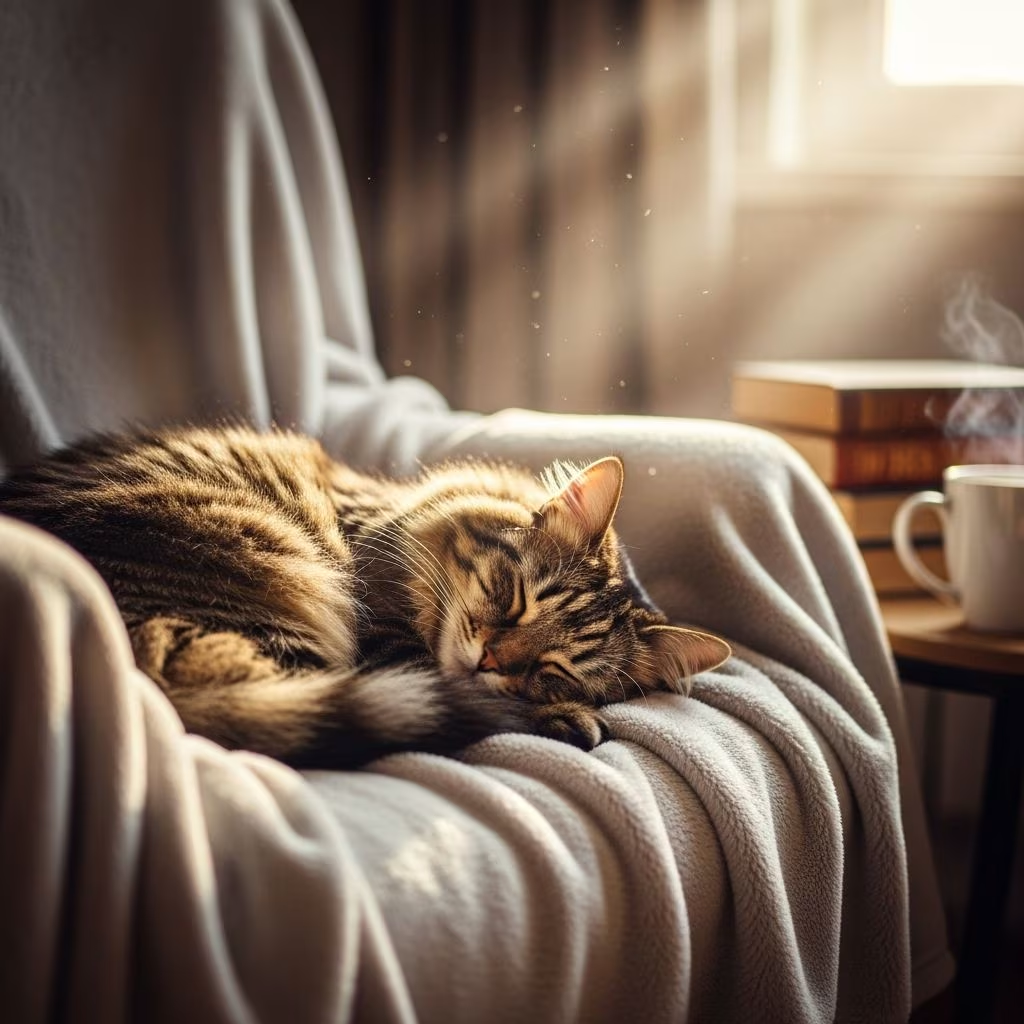
While cats do not technically hibernate, they exhibit remarkable sleeping behaviors that can sometimes mimic seasonal dormancy, sleeping up to 12-16 hours per day on average. This article delves into feline sleep science, debunking hibernation myths and explaining why your cat loves those long naps, especially in winter.
Hibernation Explained
Hibernation is a state of prolonged dormancy in certain animals, triggered by harsh conditions like extreme cold or food scarcity, where metabolic rate, body temperature, and heart rate drop dramatically to conserve energy. Animals such as bears enter this torpor for months, slowing bodily functions to survive without eating.
Key characteristics of true hibernation include:
- Significant metabolic reduction: Up to 75% drop in energy use.
- Body temperature decline: Can fall near freezing in some species.
- Extended duration: Weeks to months without waking.
- Seasonal trigger: Typically winter, resuming normal activity in spring.
This survival mechanism allows animals to endure famine and cold, emerging when resources abound. Cats, however, do not meet these criteria, as their sleep is lighter and more frequent.
Cats’ Typical Sleeping Habits
Cats are masters of rest, averaging 12-16 hours of sleep daily, with seniors sometimes reaching 20 hours. Kittens and young cats may sleep even more, up to 18-20 hours, while adults settle into polyphasic patterns—multiple short naps rather than one long block.
Cats are crepuscular, most active at dawn and dusk, aligning with ancestral hunting times when prey is abundant. This means they nap heavily during daylight to recharge for twilight bursts of energy.
During sleep, cats cycle through light sleep (75% of total), where they remain alert—whiskers twitching, ears flicking—and deep REM phases with dreaming twitches in paws or tails. Naps last 50-110 minutes, allowing quick arousal for threats or hunts.
| Cat Life Stage | Average Daily Sleep | Sleep Characteristics |
|---|---|---|
| Kittens | 18-20 hours | Frequent, growth-focused naps |
| Adults | 12-16 hours | Crepuscular peaks, light alertness |
| Seniors | 16-20 hours | Deeper, more fragmented |
These habits stem from wild roots: conserving energy for high-stakes chases.
Why Do Cats Sleep So Much?
Cats’ prodigious sleep serves evolutionary purposes: energy conservation for crepuscular hunting, muscle repair, and cognitive processing. With fast metabolisms, they burn energy quickly during play or hunts, necessitating long rests to recharge.
In the wild, cats expend bursts chasing prey, then digest large meals, sleeping deeply to repair tissues and consolidate memories. Domestic cats retain this, napping efficiently in secure spots like boxes or laps for safety.
- Predatory instincts: Rest primes them for dawn/dusk activity.
- High metabolism: Quick energy burn demands recovery.
- Environmental sensitivity: Secure spots enable deep sleep.
- Repair and growth: Supports physical and mental health.
Unlike humans’ consolidated sleep, cats’ polyphasic style fits their lifestyle, keeping them vigilant predators.
Do Cats Sleep More in Winter?
Yes, many cats increase sleep in winter, though not true hibernation. Shorter days and cold trigger energy-saving instincts, mimicking wild torpor—a lighter dormancy with minor temperature/metabolism drops.
Less daylight disrupts circadian rhythms, promoting more rest; colder weather limits activity, favoring warm spots like radiators or beds. Indoor cats may sleep 2-4 extra hours, curling up to preserve heat.
Factors influencing winter sleep:
- Reduced light: Mimics ancestral low-food periods.
- Cold intolerance: Cats seek warmth, minimizing movement.
- Instinctual torpor: Brief metabolic slowdowns, not full hibernation.
Owners note cats becoming “couch potatoes” in winter, but this is normal adaptation. Provide cozy beds and monitor for excess (over 20 hours could signal health issues).
Frequently Asked Questions (FAQs)
Q: Do cats actually hibernate?
A: No, cats do not hibernate; they experience increased sleep or mild torpor in winter but remain alert and active.
Q: How many hours do cats sleep per day?
A: Healthy adults sleep 12-16 hours, kittens up to 20, seniors similarly.
Q: Why is my cat sleeping more in winter?
A: Shorter days, cold weather, and energy conservation instincts lead to extra naps, not hibernation.
Q: Are cats nocturnal or crepuscular?
A: Crepuscular—most active at dawn and dusk, sleeping mainly daytime.
Q: When should I worry about my cat’s sleep?
A: If exceeding 20 hours daily, with lethargy, appetite loss, or behavior changes, consult a vet for issues like illness or depression.
Q: Can indoor cats enter torpor?
A: Mildly yes, due to light/temperature cues, but far from wild states.
Conclusion: Embracing Your Cat’s Sleepy Nature
Understanding cat sleep dispels hibernation myths, revealing a finely tuned system for survival and health. Provide safe, warm spaces, especially winters, and enjoy those purr-filled naps—your cat’s way of thriving.
References
- Why do cats sleep so much? — Doyalson Animal Hospital. 2023-05-08. https://www.doyalsonvet.com.au/2023/05/08/why-do-cats-sleep-so-much/
- Do Cats Hibernate? Vet-Reviewed Facts & FAQ — Catster. N/A. https://www.catster.com/lifestyle/do-cats-hibernate/
- Why do cats sleep so much? The hidden science of feline shuteye — BBC Science Focus Magazine. N/A. https://www.sciencefocus.com/nature/why-do-cats-sleep-so-much
- Is Your Cat Sleeping Too Much? Winter Could Be The Cause — CatGenie. N/A. https://www.catgenie.com/blogs/catgazette/is-your-cat-sleeping-too-much-winter-could-be-the-cause
- Why Is My Cat Sleeping More in the Winter? — Pets Best Insurance. N/A. https://www.petsbest.com/blog/cat-sleeping-more-in-winter



