

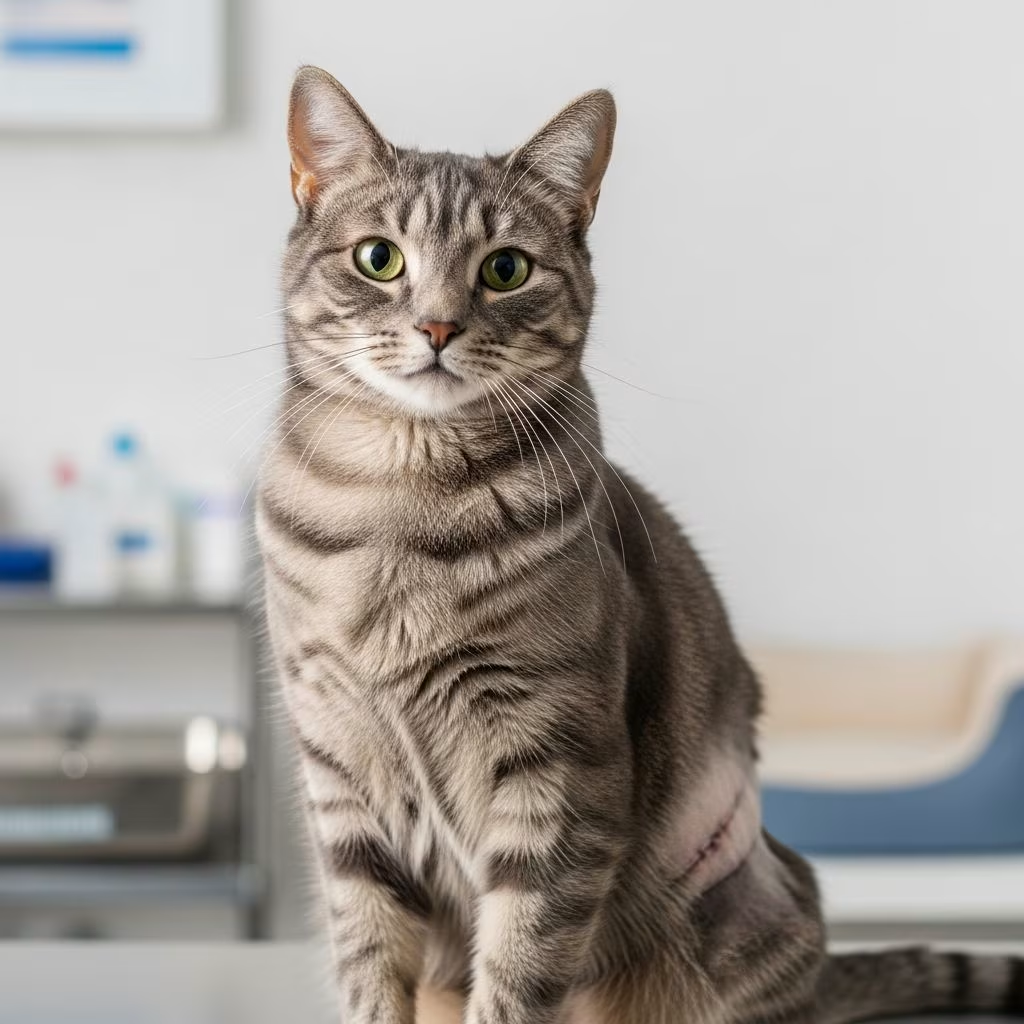
Spayed cats do not have periods because the surgery removes the ovaries and uterus, eliminating the hormonal cycles responsible for estrus or heat in felines. Unlike human menstruation, cats do not bleed during heat; instead, they display behavioral signs of fertility. This procedure provides lifelong prevention of reproductive cycles, reducing health risks and unwanted litters.
Understanding Feline Reproductive Physiology
Female cats, known as queens, enter reproductive maturity around 4 to 12 months of age, with most experiencing their first heat between 6 months. These cycles are triggered by increasing daylight in breeding seasons from spring to fall, making cats seasonally polyestrous. A typical cycle repeats every 2-3 weeks if no mating occurs, lasting 4-10 days per estrus phase.
The cycle includes distinct phases: proestrus with initial affection and vocalizing but no mating interest; estrus, the fertile period marked by readiness to breed; metestrus or diestrus post-mating disinterest; and anestrus, a dormant winter phase. During estrus, queens exhibit yowling, rubbing, raised hindquarters, and urine spraying to attract toms, but no visible bleeding occurs as in canine or human cycles.
The Spaying Procedure Explained
Spaying, or ovariohysterectomy, surgically excises both ovaries and the uterus through a small abdominal incision under general anesthesia. Performed ideally before the first heat at 8-16 weeks or 4-6 months, it halts hormone production instantly upon ovary removal. Kittens recover swiftly, often within days, with minimal incision care needed.
Post-surgery, cats show calmer demeanor, no more escape attempts or marking, and normalized appetite. Full hormonal clearance takes 2-4 weeks if spayed during heat, but cycles cease permanently otherwise. Benefits extend to a 39% longer lifespan average, zero pyometra risk—a deadly uterine infection affecting 25% of unspayed queens—and 91% mammary cancer reduction if done pre-first heat.
Can Spaying Occur During Heat?
Yes, veterinarians can spay cats in heat, though many prefer postponing due to complications. Enlarged, blood-engorged ovaries and uterus increase bleeding risk, extend surgery by 10-20 minutes, and raise anesthesia time. Costs may rise accordingly, and recovery prolongs slightly from tissue fragility.
Despite risks, urgency arises if exposure to intact males occurred, preventing pregnancy from a single encounter. Vets assess health, temperament, and owner needs; experienced surgeons manage these cases safely with precautions like vessel ligation.
Pros and Cons of Spaying in Heat
| Aspect | Pros | Cons |
|---|---|---|
| Reproductive Control | Immediate pregnancy prevention; ends current cycle symptoms like vocalizing | N/A |
| Surgical Factors | Convenient if cycles frequent | Higher bleeding risk; longer procedure and recovery |
| Health Outcomes | Eliminates future heats and diseases | Slightly elevated complication chance |
| Cost and Logistics | Avoids waiting periods | Potentially higher fees |
Rare Post-Spaying Heat-Like Symptoms
Most spayed cats show no estrus signs post-recovery, but 1-5% exhibit persistent behaviors like restlessness or vocalizing weeks later. This signals ongoing hormone secretion, not a true period but mimicking heat.
Ovarian Remnant Syndrome
The primary cause is incomplete ovary removal, leaving tissue fragments producing estrogen. Occurring from surgical oversight or anatomical variations, it triggers cycles 4-8 weeks post-op. Diagnosis involves ultrasound, hormone tests, or heat interest from males; treatment requires exploratory surgery to excise remnants.
Other Potential Causes
- Accessory Ovarian Tissue: Ectopic growths or supernumerary ovaries missed during initial surgery.
- Tumors: Rare hormone-secreting ovarian or adrenal masses.
- External Hormones: Absorption from human topical treatments like estrogen creams.
If symptoms linger beyond 4 weeks, consult a vet promptly—it’s not emergent but resolves via targeted intervention. Unaddressed, it risks pyometra in remnants or behavioral issues.
Long-Term Health Advantages of Early Spaying
Beyond cycle elimination, spaying slashes mammary tumors by over 90% pre-first heat, dropping per subsequent cycle. It curbs roaming, aggression, and obesity risks via stabilized metabolism, though diet monitoring remains key. Spayed queens average three extra years, dodging pregnancy perils and infections.
- Zero uterine diseases like pyometra.
- Reduced cancer incidences across reproductive organs.
- Behavioral stabilization for harmonious homes.
- Population control averting millions of shelter euthanasies yearly.
Post-Operative Care Guidelines
Monitor incisions for redness or discharge; use cones if licking occurs. Restrict activity 10-14 days, feed small meals to curb nausea, and schedule check-ups. Pain meds and antibiotics aid smooth recovery. Watch for rare estrus to catch remnants early.
Frequently Asked Questions
Will my spayed cat gain weight?
Spaying slows metabolism slightly; counter with portion control and play to maintain ideal body condition.
Is spaying painful for cats?
Anesthesia ensures no pain during surgery; post-op meds manage discomfort effectively.
Can spayed cats still mate?
No behavioral drive remains, and no uterus prevents pregnancy, though mounting play may occur.
What if my cat was in heat before spaying?
Residual hormones dissipate in weeks; persistent signs warrant vet evaluation for remnants.
Is early spaying safe for kittens?
Yes, from 8 weeks; benefits outweigh risks with skilled vets.
Choosing the Right Time for Spaying
Pre-pubertal spaying maximizes health protections, but any age suits healthy cats. Discuss with vets considering lifestyle—indoor cats face less roaming risk. Shelters often spay young for overpopulation control.
In summary, spaying eradicates periods and heats reliably, transforming cat well-being profoundly. Vigilance post-op ensures rare issues resolve swiftly.
References
- Can a Cat Be Spayed While in Heat — Minnieville Animal Hospital. 2023-05-15. https://minnievilleah.com/blog/can-a-cat-be-spayed-while-in-heat/
- Can You Spay a Cat in Heat? 5 Risks of Spaying Cats in Heat — AZ Vet Direct. 2024-02-20. https://azvet.direct/low-cost-cherry-eye-surgery-in-mesa-and-the-entire-southeast-valley-of-phoenix/can-you-spay-a-cat-in-heat-5-risks-of-spaying-cats-in-heat/
- Signs of heat (estrus) after spaying in Cats — Vetster. 2025-01-10. https://vetster.com/en/symptoms/cat/signs-of-heat-after-spaying
- Estrus Symptoms after Spaying in Cats — PetMD. 2024-08-05. https://www.petmd.com/cat/conditions/reproductive/c_ct_ovarian_remnant_syndrome
- Ovarian Remnant Syndrome — Mar Vista Animal Medical Center. 2023-11-12. https://www.marvistavet.com/ovarian-remnant-syndrome.pml



