

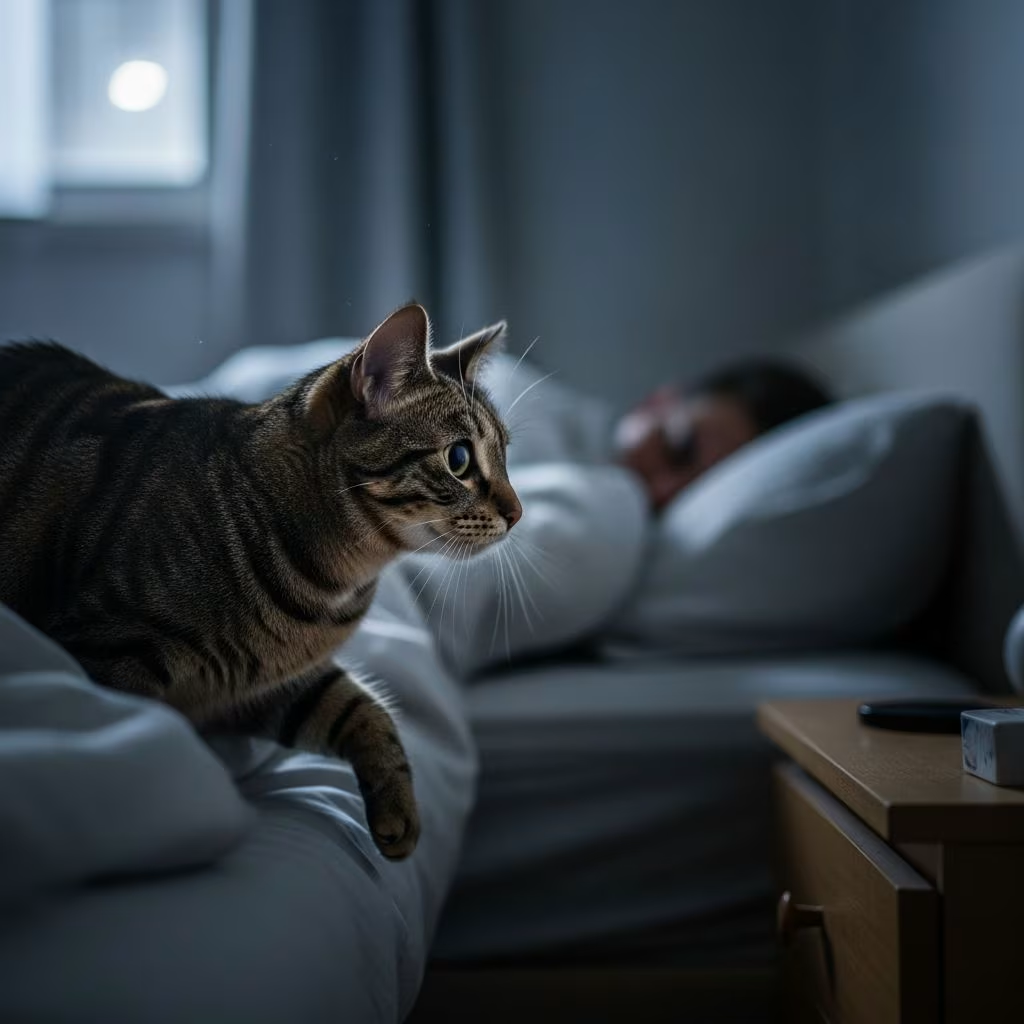
Your cat curling up nearby as you drift off might seem like simple affection, but it could signal something more profound: a watchful guardian role. Cats, with their sharp senses and ancestral instincts, often position themselves strategically during the night, monitoring for threats while you rest.
The Evolutionary Roots of Feline Vigilance
Cats descend from African wildcats, solitary hunters that adapted semi-social behaviors in resource-rich environments. This heritage influences modern domestic cats, prompting them to treat humans as part of their social group. When sleeping near you, they engage in “vigilance behavior,” scanning for dangers much like wild counterparts on lookout duty.
Predator-prey duality shapes this trait. Cats evolved hypervigilance for self-preservation, extending it to bonded humans. Their acute hearing, night vision, and silent movement make them ideal sentinels, processing sounds, scents, and movements without disturbing your sleep.
Strategic Sleeping Positions: Clues to Protection
A cat’s chosen spot reveals intent. Many align toward the bedroom door, keeping you in peripheral view while facing potential entry points. This tactical setup creates a defensive barrier, with activity near doors peaking between 2-4 a.m., when humans are most vulnerable.
- Head or Neck Proximity: Cats press against pulse points, tracking breathing and heartbeat for irregularities.
- Feet or Legs: They insulate extremities, providing warmth and a weighted blanket effect that boosts oxytocin for both.
- Elevated Perches: From dressers or bedsides, they gain vantage points for room surveillance.
These aren’t random; they’re calculated for dual monitoring of you and the environment.
Decoding Common Sleep Postures in Context
Sleep positions offer insights into a cat’s comfort and readiness. While resting, they balance relaxation with escape options.
| Position | Meaning | Protective Link |
|---|---|---|
| Curled Ball | Conserves heat, shields organs | Safe enough to fully relax near trusted human |
| On Back, Belly Exposed | Utmost trust and security | Indicates no perceived threats in shared space |
| Side Sleeping, Legs Extended | Comfortable but poised for action | Quick getaway if needed while guarding |
| Tucked Under Covers | Seeks warmth, scent familiarity | Enhanced security in enclosed, owner-scented area |
Such postures near owners suggest integrated protection within relaxation.
Signs Your Cat Is on Nighttime Duty
Subtle cues confirm protective intent beyond mere cuddling.
- Pre-Sleep Patrolling: Circling the room or bed before settling, as noted in feline studies, reassures territory safety including you.
- Door-Facing Alertness: Body angled outward, ears perked for hall sounds.
- Health Monitoring: Increased patrols (up to 35%) if detecting owner vulnerability.
- Silent Proximity: No pestering, just steady presence as reassurance.
- Purring Vigil: Rhythmic sound acts as safety signal, like white noise blocking disturbances.
These behaviors escalate with stronger bonds, showing cats prioritize familiar humans.
Bonding and Emotional Ties Fuel Guardianship
Cats select sleep mates based on safety and security provided. Favorite people receive this honor, fostering mutual trust. Neurotransmitters released during interactions reinforce proximity-seeking, turning vigilance into affectionate duty.
Indoor cats retain these instincts despite no real predators, applying survival strategies to human families. Play-hunting maintains reflexes for potential threats.
Health and Comfort Factors at Play
Warmth drives some choices—cats seek body heat, especially at extremities. Yet, protection overrides comfort; they forgo ideal spots for strategic ones. Noise sensitivity leads some under covers for muffled security.
If illness strikes, vigilance intensifies, with more frequent checks signaling concern. This active intervention underscores their role beyond pets.
Enhancing Your Cat’s Protective Role
Strengthen this bond safely:
- Provide elevated perches near bed for optimal views.
- Maintain consistent routines to build trust.
- Offer safe toys for skill practice without real hunts.
- Ensure quiet nights to reduce false alerts.
Respect their space—avoid belly rubs during exposed sleep, as instincts persist.
Common Myths About Cat Night Behavior
Not all staring means plotting; it’s often vigilant love. Cats aren’t aloof—they integrate owners into their world.
Frequently Asked Questions
Why does my cat stare at me while I sleep?
This monitors breathing and threats, rooted in protective instincts.
Is it safe to let my cat sleep on the bed?
Yes, for most; it signals trust and provides comfort, barring allergies or specific health issues.
Do all cats protect their owners at night?
No, but bonded ones do, choosing favorites based on security.
What if my cat sleeps far away?
Could indicate independence or discomfort; check environment and health.
Can cats sense nightmares or illness?
They detect changes in breathing or movement, increasing patrols.
Conclusion: Embrace the Silent Watch
Your cat’s nighttime habits blend evolution, affection, and instinct into quiet guardianship. Cherish this as a sign of deep connection.
References
- The Midnight Vigil of Cats: Unveiling Their Motivation to Observe Their Owners While Sleeping — Oreste AI Blog. 2024. https://www.oreateai.com/blog/the-midnight-vigil-of-cats-unveiling-their-motivation-to-observe-their-owners-while-sleeping/03528f442ded1b6656f9f4262c02f395
- The One Strange Thing Your Cat Does Every Night While You Sleep — YouTube (Transcript). 2023. https://www.youtube.com/watch?v=Erv2SlPLMmM
- 20 Cat Sleeping Positions and What They Mean — PetMD. 2024-10-15. https://www.petmd.com/cat/general-health/cat-sleeping-positions-and-what-they-mean
- 8 Signs Your Cat Is Watching Over You at Night — YouTube (Transcript). 2023. https://www.youtube.com/watch?v=Tc0Ii2Sn3SU
- How Do Cats Choose Who To Sleep With? — Cats.com. 2024. https://cats.com/how-do-cats-choose-who-to-sleep-with



