

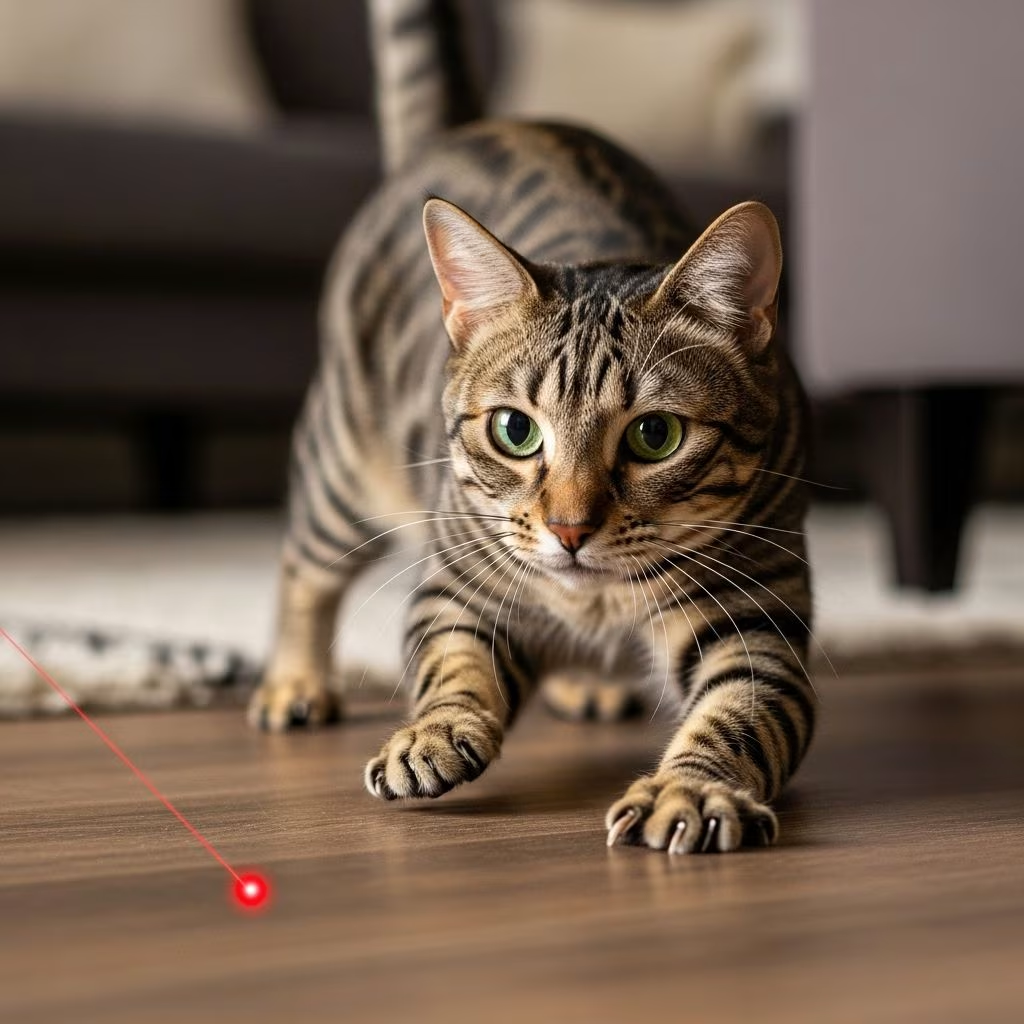
Cats often display intense fascination with laser pointers, chasing the elusive red dot with remarkable agility and focus. This behavior stems from their innate predatory instincts, where the light mimics quick-moving prey, but cats may not fully comprehend the intangible nature of the dot, leading to potential frustration without a satisfying conclusion to the hunt.
The Allure of the Red Dot: Tapping into Feline Predatory Drives
Felines are wired as hunters, with sharp senses tuned to detect rapid movements that signal potential meals like rodents or insects. A laser pointer’s beam, darting erratically across floors and walls, perfectly imitates these prey patterns—sudden stops, sharp turns, and unpredictable speeds. This triggers the cat’s prey drive, the instinctual urge to stalk, pounce, and capture.
Research highlights how such motion creates a perception of ‘animacy’ in the light, making it seem alive and responsive to the cat’s actions. The dot appears to ‘react’ by changing direction or speed, heightening the chase’s excitement. For indoor cats with limited outlets for this drive, laser play offers mental stimulation and physical exercise, burning calories and reducing boredom.
- Visual Appeal: Cats excel at tracking fast objects, with eyes optimized for motion detection.
- Mental Engagement: Strategizing pursuits keeps their minds sharp.
- Physical Benefits: Sessions promote activity, aiding weight management in sedentary pets.
Multiple sources confirm this appeal, noting that even automated lasers allow solo play, extending benefits when owners are away.
Decoding Feline Comprehension: What Cats Perceive
Do cats ‘understand’ they’re chasing light rather than tangible prey? Evidence suggests they treat the dot as legitimate quarry due to its lifelike movements. Studies on motion perception indicate frequent velocity shifts fool the brain into seeing intent, similar to how simple shapes in animations appear animated when pursuing a target.
However, cats lack the cognitive framework to distinguish light from substance fully. They pounce expecting contact, leading to repeated ‘failures’ that might build mild confusion over time. Observations show cats studying the spot post-pounce, sniffing or pawing the area, revealing their search for the ‘prey.’ This gap between expectation and reality underscores why incomplete hunts can unsettle them.
Hidden Pitfalls: Frustration and Compulsive Tendencies
While fun, laser play’s chief drawback is denying cats the ‘kill’ phase of hunting. Natural sequences involve catch, kill, and consumption; lasers halt at pursuit, potentially causing stress or frustration. A comprehensive study surveying cat owners linked frequent laser use to abnormal repetitive behaviors (ARBs) like shadow-chasing, obsessive staring at reflections, or fixating on toys.
The research, involving hundreds of respondents, found the more often lasers were used, the higher the ARB incidence—except overgrooming. Indoor cats aged 1-2 years showed elevated risks, lacking environmental outlets. Behaviors tied to lasers included:
| Behavior | Association Strength | Potential Impact |
|---|---|---|
| Chasing lights/shadows | Strong | High redirection challenge |
| Obsessive light staring | Strong | Quality of life effects |
| Toy fixation | Moderate | Bonding disruption |
| Post-play agitation | Moderate | Unlike other toys |
Correlational data urges caution: lasers might foster ‘laser pointer syndrome,’ an obsessive pursuit pattern spilling into daily life. Owners reported cats scanning walls post-session or seeming upset, contrasting calmer ends to toy play.
Safety First: Protecting Eyes and Well-Being
Beyond behavioral concerns, physical safety matters. Lasers, even Class II types, risk eye damage if aimed at faces. Permanent retinal harm can occur from direct exposure, so direct beams solely at floors or walls, maintaining distance.
Monitor for overexertion: unfit cats jumping excessively risk sprains. Limit sessions to 5-10 minutes, twice daily, watching for exhaustion signs like heavy panting.
- Avoid high wall spots to prevent falls.
- Never shine near eyes or windows reflecting toward the cat.
- Supervise automated devices closely.
Mastering Responsible Laser Play Techniques
To harness benefits minus risks, integrate completion rituals. End chases by landing the dot on a toy, treat, or kicker for a ‘catch.’ This fulfills the hunt cycle, curbing frustration.
- Initiate Gently: Start near the cat with slow, mouse-like wiggles to build interest.
- Build Intensity: Gradually quicken, incorporating pauses and hides behind furniture.
- Allow ‘Catches’: Let them ‘nab’ the dot periodically on physical objects.
- Conclude Positively: Finish with a tangible reward; observe if they settle calmly.
- Combine Toys: Pair with catnip or wand toys for variety.
For multi-cat homes, lasers foster bonding during introductions, distracting tensions. Tailor to fitness: couch potatoes begin slow, escalating gradually.
Signs Your Cat Might Be Overdoing It
Watch for red flags indicating excessive laser reliance:
- Persistent light-seeking after sessions.
- Irritability or sleep avoidance.
- Repetitive staring at blank surfaces.
- Reluctance to engage other toys.
- Heightened anxiety around lights/reflections.
If noted, pause lasers for weeks, introducing alternatives. Consult vets if ARBs persist, ruling out medical issues.
Enriching Alternatives to Lasers
Diversify play for holistic stimulation. Puzzle feeders mimic foraging; wand toys provide capture satisfaction; tunnels and climbers encourage exploration. Rotate items weekly to sustain novelty, combating habituation.
Outdoor enclosures or window perches offer natural prey views. Interactive apps or balls with bells engage solo hunters. These fulfill instincts comprehensively, minimizing compulsion risks.
Expert Insights on Long-Term Effects
Veterinary consensus praises moderated laser use for exercise, especially overweight cats, but stresses balance. Recent studies (2021 onward) reinforce ARB correlations, advocating ‘hunt-completion’ protocols. No causation proven, yet patterns warrant moderation, particularly indoors.
Frequently Asked Questions
Are laser pointers harmful to cats’ eyes?
Yes, direct exposure risks permanent damage. Always aim away from faces.
Can lasers help my lazy cat get fit?
Absolutely, when used briefly with diet; start slow to avoid injury.
What if my cat seems frustrated after play?
End with a toy catch next time; switch activities if agitation lingers.
Is laser play okay for kittens?
Young cats (1-2 years) show higher ARB risks; supervise closely.
How often should I use a laser pointer?
2-3 short sessions daily max, rotated with other toys.
Conclusion: Balanced Play for Thriving Cats
Laser pointers captivate through predatory mimicry but demand mindful use to prevent frustration or compulsions. By ensuring ‘victories,’ prioritizing safety, and blending with varied enrichments, owners unlock joy without jeopardy. Informed play nurtures healthier, happier felines.
References
- Laser Light Pointers for Use in Companion Cat Play — Animals (PMC). 2021-08-24. https://pmc.ncbi.nlm.nih.gov/articles/PMC8388446/
- Are Laser Pointers Bad for Cats? — PetMD. Accessed 2026. https://www.petmd.com/cat/general-health/are-laser-pointers-bad-cats
- Safe Laser Pointer Cat Play Tips — Laser Classroom. Accessed 2026. https://laserclassroom.com/blogs/light-and-optics-learning/safe-laser-pointer-cat-play-tips
- Understanding the Impact of Laser Point Syndrome in Cats — Zeze Life. Accessed 2026. https://www.zezelife.com/understanding-the-impact-of-laser-point-syndrome-in-cats/



