

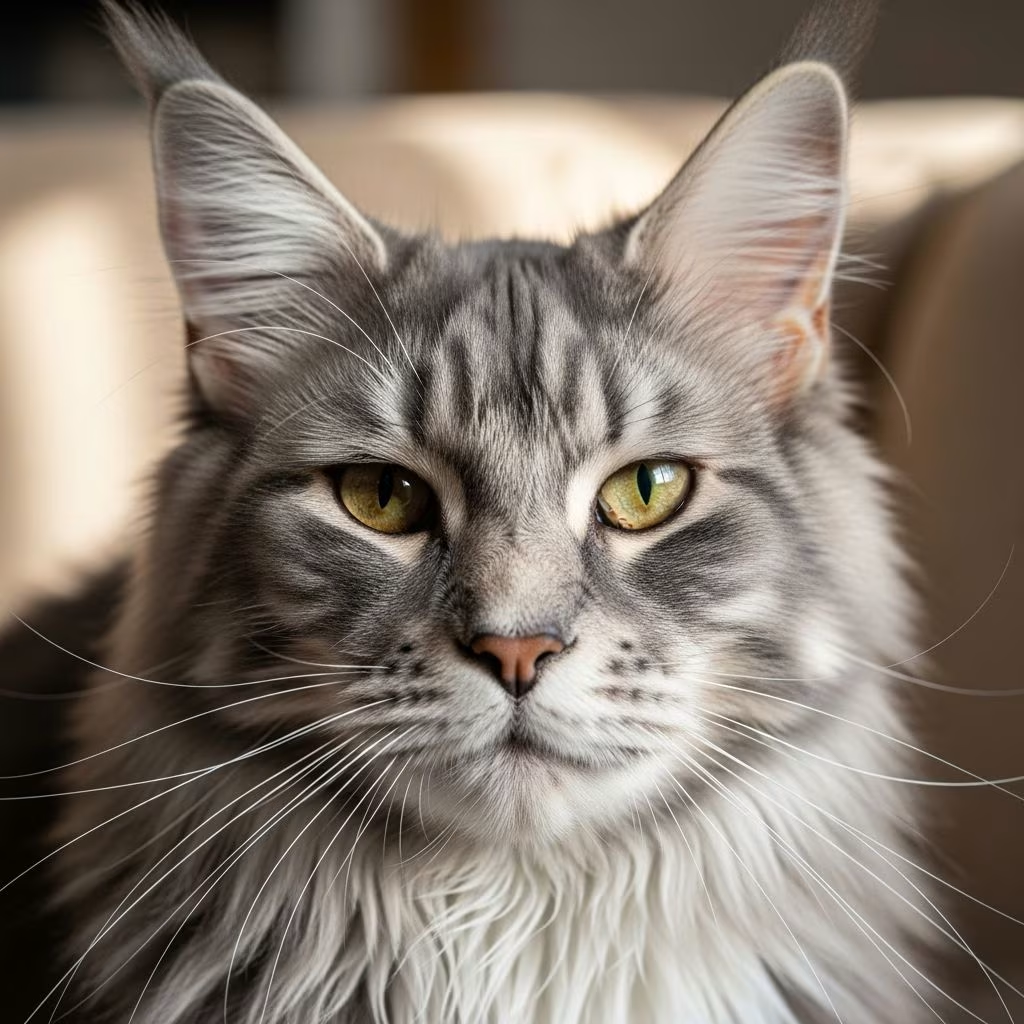
Do Cats Go Grey as They Age?
Some cats will go gray as they age, while others won’t change hair color at all. Both scenarios are completely normal. If you’re curious about the aging process in cats or already have a senior feline and wonder whether they’ll develop grey fur, understanding the science behind coat color changes can help you appreciate the natural transformation your cat may experience.
Understanding How Going Gray Works
To understand why some cats go grey and others don’t, it’s essential to know how coat color is determined at the cellular level. Melanocytes are the cells responsible for producing melanin, a pigment that influences hair color. As cats age, the production of melanin starts to slow down, leading to the appearance of white or grey hairs throughout their coat.
This biological process is similar to what happens in humans and dogs. However, the timing and extent of greying differ significantly among species. When comparing average life expectancy and aging stages across species, the differences become apparent:
| Life Stage | Human Age | Feline Age |
|---|---|---|
| Child | 0-12 years | 0-3 months |
| Teenager | 13-18 years | 4-9 months |
| Young Adult | 19-35 years | 10-24 months |
| Middle Age | 36-60 years | 2-8 years |
| Geriatric | >60 years | >9 years |
The average human starts to go grey around middle age, approximately 36 years old, which would correspond to a 2-year-old cat in feline terms. However, cats don’t typically show visible greying at such a young age. Some cats may begin showing grey hairs around 7-10 years old, which is considered middle age for felines, while others may not develop grey fur until much later in life or not at all.
Why Don’t Most Cats Go Grey?
One of the most interesting questions pet owners ask is why cats don’t seem to grey as noticeably as dogs or humans. There is no set time for when cats start to go grey—some might begin at age 5, while others could be 17 before showing any signs. Most remarkably, some cats never go grey at all.
The reasons behind this difference remain largely a mystery. Scientists have developed several theories, though limited research exists on the subject. The most widely accepted explanation is that cats may have more melanocytes than dogs or humans, allowing them to maintain pigment production throughout their lives. Additionally, it’s theorized that cats may not lose melanocytes at the same rate as dogs during the aging process.
Another consideration is that coat changes in cats during adulthood may be the feline equivalent of greying in other species, though this too lacks robust scientific support. For instance, black cats often develop a brownish tint to their coats as they age, which could represent this change.
Physical Signs of Aging in Senior Cats
While coat color changes may or may not be obvious, senior cats experience several other noticeable physical transformations as they grow older. Understanding these signs helps cat owners recognize when their pets are entering their geriatric years and may need specialized care.
Weight Loss and Changes in Body Composition
As cats enter their senior years, many experience weight loss and begin to look noticeably bonier and thinner. This change is usually due to a loss of muscle mass, which can result from several factors:
- Arthritis and reduced physical activity
- Kidney disease or other chronic conditions
- Changes in metabolism and lifestyle becoming more leisurely
- Dental disease, making eating uncomfortable or difficult
- Hyperthyroidism, a common condition in geriatric cats that causes rapid weight loss
The impact of arthritis extends beyond weight loss—it can also affect a cat’s grooming habits. Senior cats with arthritis may struggle to groom themselves properly, resulting in matted fur and an unkempt appearance. This makes maintaining their coat quality even more important for conscientious pet owners.
Coat Texture and Quality Changes
Beyond potential colour changes, a senior cat’s coat often undergoes texture modifications. The fur may become coarser, less glossy, or appear duller than it did in younger years. Hair density may decrease, making individual hairs more noticeable and creating a thinner appearance overall. These changes are generally cosmetic but warrant monitoring to rule out underlying health issues.
Other Common Signs of Feline Aging
Senior cats may display various other physical signs indicating they’re entering their geriatric years:
- Reduced mobility and increased difficulty jumping or climbing
- Changes in appetite or eating habits
- Increased or decreased grooming behaviors
- Dental issues and tooth loss
- Changes in eye appearance or cloudiness
- Behavioral changes such as increased vocalization or anxiety
Common Age-Related Fur Changes in Senior Cats
As cats progress through their senior years, their fur undergoes predictable transformations. These changes typically occur on a timeline that correlates with age:
| Age Range | Typical Fur Changes | Visibility |
|---|---|---|
| 7-10 Years | Mild greying and slight thinning | Often subtle, noticeable primarily around the face |
| 10-15 Years | Prominent grey or white hairs | More visible across the body; whiskers may whiten notably |
| 15+ Years | Significant whitening and coarseness | Widespread changes throughout the coat; fur may appear dull |
These changes are often purely cosmetic and don’t necessarily indicate health problems. However, they do warrant attention to ensure your senior cat receives appropriate care and that any underlying health conditions are identified and managed promptly.
Health Conditions Affecting Coat Appearance
While some coat changes are simply part of normal aging, certain health conditions can also cause or accelerate changes in your cat’s fur appearance. Being aware of these conditions helps you distinguish between normal aging and potential medical concerns.
Nutritional Deficiencies
Inadequate nutrition can significantly impact coat quality and color. Deficiencies in specific nutrients—particularly B vitamins, copper, and zinc—can reduce pigment production and result in premature greying or dull-looking fur.
Thyroid Disorders
Hyperthyroidism is extremely common in senior cats and can cause the coat to appear dull or grey. This condition affects metabolism and overall health, making proper diagnosis and treatment essential for your cat’s wellbeing.
Skin Infections
Fungal or bacterial skin infections can alter fur color, cause hair loss, or create an overall unhealthy appearance. These infections require veterinary attention to prevent spread and discomfort.
Chronic Diseases
Kidney disease, liver disease, and other chronic conditions can significantly affect coat quality. These diseases impact overall health and nutrient absorption, which directly influences how healthy your cat’s fur appears.
Environmental Factors Influencing Gray Fur
Beyond genetics and age, external environmental factors can contribute to coat color changes or create the appearance of greying in cats:
- Sun Exposure: Prolonged sunlight can bleach fur, creating a grayish hue, particularly noticeable in black or dark-coated cats
- Chronic Stress: Ongoing stress may disrupt melanocyte function, potentially leading to premature greying
- Grooming Habits: Poor grooming in older cats can make fur appear dull, discolored, or unkempt
- Chemical Exposure: Contact with household chemicals may temporarily lighten fur or affect its appearance
Breed-Specific Considerations
Some cat breeds naturally tend toward grey fur as part of their genetic heritage. Russian Blues, for example, are known for their grey coats. For these breeds, greying is a natural characteristic rather than a sign of aging. Understanding your cat’s breed standard can help you distinguish between normal breed traits and age-related changes.
Senior Cat Care and Coat Maintenance
Proper senior cat care plays an important role in maintaining coat health as your feline companion ages. Several strategies can support skin and fur vitality:
- Provide high-quality nutrition specifically formulated for senior cats
- Ensure adequate water intake to maintain skin hydration
- Establish regular grooming routines to prevent matting and keep the coat clean
- Schedule frequent veterinary check-ups to catch health issues early
- Maintain appropriate environmental temperatures for comfort
- Minimize stress through stable routines and enrichment activities
Frequently Asked Questions
Q: Is it normal for cats to go grey as they age?
A: Yes, some cats do develop grey or white fur as they age, particularly around the face, whiskers, and body. However, many cats never develop noticeable grey fur, and this is also completely normal. Whether a cat goes grey has no connection to their health status.
Q: At what age do cats typically start going grey?
A: There’s no set age when cats begin going grey. Some cats might show grey hairs as early as age 5, while others may not develop them until age 17 or later. Many cats never develop grey fur at all, and this variation is normal among felines.
Q: Why do dogs go grey but cats don’t seem to as much?
A: Cats can go grey but typically not to the same extent as dogs and humans. Scientists theorize that cats retain more melanocytes throughout their lives or don’t lose them at the same rate as dogs, allowing them to maintain pigment production longer.
Q: What other physical signs indicate my cat is becoming senior?
A: Beyond potential coat color changes, senior cats may experience weight loss, dental issues, reduced mobility, changes in appetite or behavior, and alterations in coat texture. Regular veterinary visits help distinguish normal aging from health concerns.
Q: Should I be concerned if my cat’s coat changes color?
A: Coat color changes due to aging are typically not a health concern. However, if the color change is accompanied by hair loss, skin irritation, or other symptoms, consult your veterinarian to rule out infections, nutritional deficiencies, or thyroid problems.
Q: How can I keep my senior cat’s coat healthy?
A: Provide quality senior cat food, ensure adequate hydration, maintain regular grooming, and schedule frequent veterinary check-ups. These practices support coat health and help identify any underlying health issues that might affect fur appearance.
Conclusion
Not all cats go grey, and in fact, most don’t develop noticeably grey fur even in their senior years. You might observe subtle greying and color changes in your cat as they age, but whether a cat develops grey fur has nothing to do with their overall health status. The coat changes visible in cats as they enter adulthood and middle age are likely comparable to greying in humans and dogs, though they’re simply less pronounced in felines. By understanding these natural processes and maintaining attentive senior cat care, you can ensure your aging feline companion remains comfortable, healthy, and as vibrant as possible throughout their golden years.
References
- Gray Fur in Cats: Understanding Feline Coat Color Changes — Vet Today. 2024. https://vettoday.com/blog/pet-health/gray-fur-in-cats/
- Why Do Dogs Go Grey But Cats Don’t? — BBC Science Focus Magazine. 2023. https://www.sciencefocus.com/nature/why-do-dogs-go-grey-but-cats-dont
- Why Does My Black Cat Have White Hairs — Bailey Brush. 2024. https://baileybrush.com/blogs/bailey-blog/black-cat-have-white-hairs
- Signs Your Cat is a Senior Cat — Exclusive Pet Food. 2024. https://www.exclusivepetfood.com/Insights/is-my-cat-senior



