

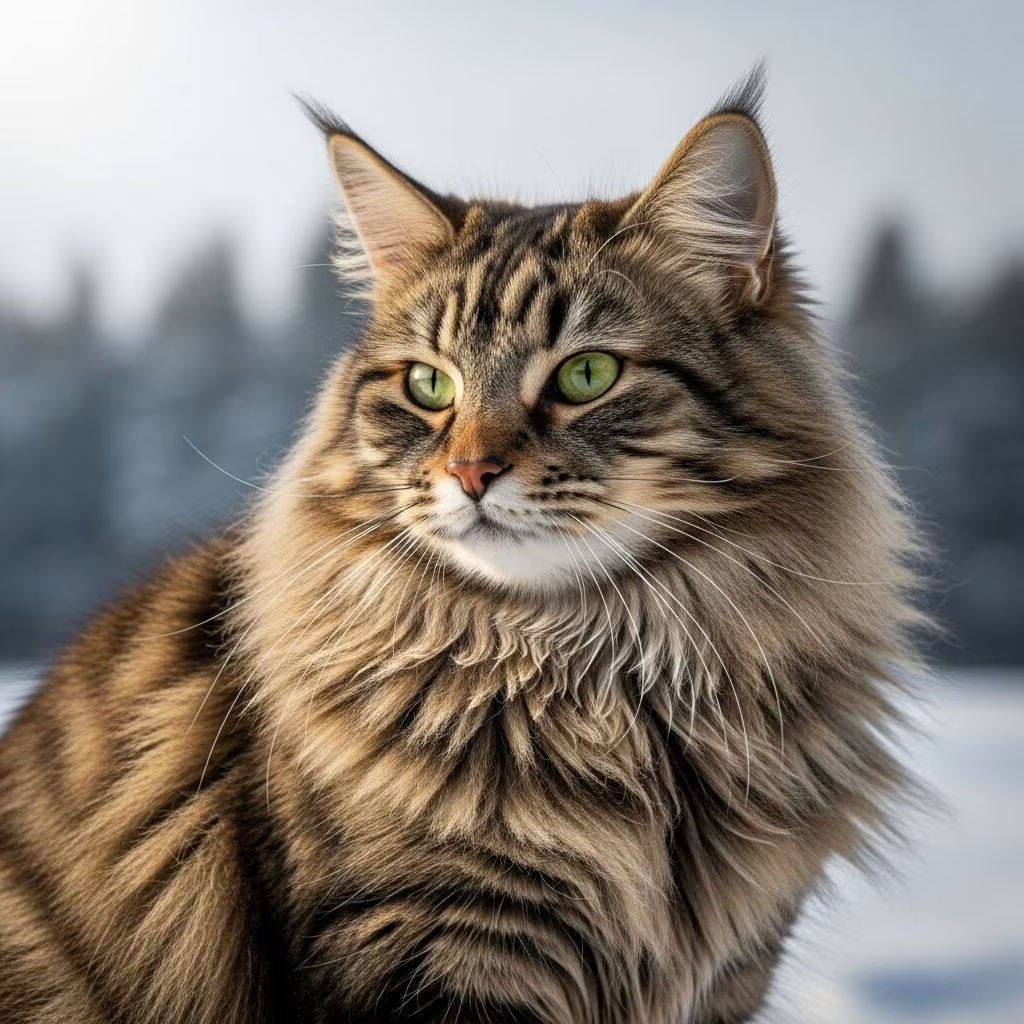
Do Cats Get Winter Coats? A Complete Guide
If you’ve noticed your cat’s fur becoming noticeably thicker and fluffier as the temperature drops, you’re witnessing one of nature’s most remarkable feline adaptations. Yes, cats do indeed get winter coats, and this seasonal transformation is far more sophisticated than a simple response to cold weather. Understanding how and why your cat’s coat changes throughout the year can help you provide better care and support your pet’s natural thermoregulation process.
What Is a Cat’s Winter Coat?
A cat’s winter coat is not simply a thicker version of their regular fur. Instead, it consists of a dense undercoat made up of millions of fine hairs, typically light-grayish in color. This undercoat works in conjunction with the outer guard hairs to provide superior insulation and protection.
The undercoat hairs are generally shorter, finer, and softer than the rest of your cat’s fur. These specialized hairs increase the surface area around your cat’s body, which helps trap warm air and maintain body heat during colder months. The winter coat serves as a built-in heating system that your cat naturally develops without any intervention from you.
How Does a Cat’s Winter Coat Work?
The mechanism behind a cat’s winter coat is rooted in their natural thermoregulation abilities. Cats use a sophisticated system of hair control to manage their body temperature. During winter, their hairs close together tightly to create an insulating barrier against the cold. In warmer months, these same hairs spread out to allow better ventilation and heat dissipation.
What’s particularly fascinating is that this seasonal transformation isn’t primarily triggered by temperature changes at all. Instead, daylight exposure serves as the primary trigger for coat development and shedding. As the days grow shorter in the fall, your cat’s body recognizes the changing light patterns and begins developing a thicker winter coat. Conversely, when daylight increases in spring, your cat’s body signals the shedding of the winter coat.
This light-based system is remarkably consistent across different climates and living situations. Even indoor cats who never venture outside will develop winter coats if exposed to sufficient natural light through windows. Their internal biological clock remains deeply attuned to the natural rhythms of the world, regardless of whether they experience actual temperature changes.
Winter Coat vs. Summer Coat: Understanding the Differences
Your cat’s summer and winter coats serve distinctly different purposes, and the differences are quite pronounced:
| Characteristic | Winter Coat | Summer Coat |
|---|---|---|
| Thickness | Dense and fluffy | Thinner and sleeker |
| Undercoat | Thick and prominent | Minimal or absent |
| Primary Function | Insulation and warmth retention | Cooling and UV protection |
| Texture | Soft and luxurious | Smooth and sleek |
| Shedding Amount | Moderate growth phase | Heavy shedding phase |
During winter, your cat’s fur becomes noticeably denser and fluffier, with a substantial undercoat providing excellent insulation against cold drafts. This is especially important for outdoor cats or those who love perching by windows on cold days. In summer, the coat thins out significantly, reducing the insulating properties while still protecting the sensitive skin from harmful UV rays.
Understanding the Shedding Cycle
One of the most noticeable aspects of your cat’s seasonal coat change is the shedding that accompanies it. For the winter coat to come in properly, the summer coat must shed out of the way. This molting period typically occurs twice a year and is triggered by the same daylight changes that initiate coat growth.
When Do Cats Shed?
Adult cats typically shed their coats twice yearly, with shedding usually occurring around April and October. These transition months correspond to the seasonal shifts when daylight hours change most dramatically. However, the exact timing can vary based on your specific geographic location and the amount of light your cat receives.
During shedding seasons, a particularly large amount of old hair is shed to make way for the new coat. Many cat owners report finding fur on virtually every surface during peak shedding periods. Some breeds experience what’s called a “blowout,” where fur seems to come out in handfuls.
Shedding in Different Cat Breeds
The intensity and duration of shedding varies significantly depending on your cat’s breed and coat length. Breeds with longer or denser fur, such as Maine Coons, Norwegian Forest Cats, Ragdolls, and Siberian cats, experience more dramatic seasonal shedding. Short-haired cats do shed during seasonal transitions, but the shedding is far less noticeable and manageable.
Outdoor cats typically shed their coats earlier and more intensively than their indoor counterparts, as they’re more directly exposed to temperature and daylight variations. Indoor cats experience less pronounced shedding and usually lose hair over a shorter, more concentrated period.
Shedding Expectations: What to Prepare For
Understanding what to expect during shedding season can help you plan and manage your home environment more effectively. The thickness of your cat’s undercoat may depend on their breed and climate, so expectations should be adjusted accordingly. A short-haired cat won’t produce the same rich, fluffy coat that a long-haired cat develops, but the undercoat will still be present and functional.
Because coat growth and shedding are based on daylight exposure rather than temperature, the cycle follows a predictable pattern: the coat grows in during mid-fall and sheds in late spring. This cycle applies consistently whether your cat is an indoor or outdoor pet, making it relatively easy to predict and prepare for shedding periods.
Grooming Your Cat During Seasonal Transitions
Proper grooming becomes especially important during seasonal shedding periods. Regular brushing does more than simply remove loose fur from your cat’s coat—it actively helps prevent matting, reduces the amount of hair shed around your home, and strengthens your bond with your pet.
Regular Grooming Benefits
- Removes loose undercoat hair before it ends up on furniture and clothing
- Prevents matting and tangling, especially in longer-haired breeds
- Improves circulation and promotes healthy skin
- Allows you to monitor your cat’s skin health for any issues
- Provides an excellent opportunity for bonding and physical affection
- Reduces the amount of hair your cat ingests during self-grooming, minimizing hairballs
For longer-haired felines, reach for the brush more frequently to prevent tangles and matting. Even though cats groom themselves extensively, longer fur can still become tangled, especially during periods of heavy shedding.
Nutrition and Your Cat’s Coat Health
Beyond regular grooming, nutrition plays a crucial role in maintaining a healthy winter coat. Cats need high-quality protein and essential fatty acids like omega-3s to support strong hair follicles and reduce excessive shedding. A diet lacking in proper nutrients can result in a dull, thin coat that fails to provide adequate insulation.
Hydration is equally important, as cats are notorious for not drinking enough water. Consider incorporating wet food into your cat’s diet, providing water fountains that encourage drinking, or adding a small amount of broth to meals to increase moisture intake. Proper hydration supports skin health and helps maintain a lustrous, healthy coat.
Additionally, increase the amount of food you give your cat by approximately 15% during the winter months. Your cat is expending significant energy growing its winter coat, and increased caloric needs support this natural process.
Winter Care Tips for Indoor and Outdoor Cats
For Outdoor Cats
If your cat spends time outdoors during winter, several precautions ensure their safety and comfort:
- Provide an “open-door” policy allowing easy access to the indoors whenever your cat feels uncomfortable
- Ensure your cat has a sheltered, insulated outdoor space for protection from extreme weather
- Keep outdoor shelter insulated with straw (not hay), which repels moisture and retains warmth
- Never leave cats outside when temperatures fall below 30 degrees Fahrenheit without proper shelter
- Refresh straw regularly, as cats compress it over time, reducing its insulating properties
For Indoor Cats
Indoor cats will develop winter coats if exposed to sufficient natural light, as the winter coat is a response to daylight hours rather than actual temperature. Even cozy house cats who’ve never felt a snowflake still react to shifting light through windows, maintaining their natural seasonal rhythms.
Frequently Asked Questions About Cat Winter Coats
Q: Why do cats develop winter coats if temperature isn’t the trigger?
A: Cats’ bodies use daylight exposure as a biological signal for seasonal changes. As days grow shorter, their internal clock triggers the development of a thicker undercoat. This system evolved to help cats survive seasonal variations in their natural environment.
Q: Will my indoor cat develop a winter coat?
A: Yes, indoor cats exposed to natural light through windows will develop winter coats in response to changing daylight hours, though the process may be milder than in outdoor cats.
Q: How much should I brush my cat during shedding season?
A: Increase brushing frequency during spring and fall shedding periods. For long-haired cats, daily brushing is ideal. Short-haired cats benefit from several times per week. Adjust based on the amount of loose fur your cat sheds.
Q: Is excessive shedding ever a sign of health problems?
A: While seasonal shedding is normal, excessive hair loss outside of typical shedding seasons, bald patches, or skin irritation may indicate allergies, parasites, or other health issues. Consult your veterinarian if you notice anything unusual.
Q: Can I shave my cat’s winter coat in spring?
A: It’s generally not recommended to shave cats with seasonal coats. Their natural shedding process is far preferable. Shaving can damage the hair follicles and interfere with their natural thermoregulation.
References
- Do Cats Have Winter Coats? — Everhart Vet. 2024. https://www.everhartvet.com/do-cats-have-winter-coats/
- Cat Winter Coat vs Summer Coat: How Fur Changes — Pretty Litter. 2024. https://www.prettylitter.com/blog/cat-winter-vs-summer-coat
- Your Cat’s Winter Coat | How it Helps Cats with Seasonal Changes — Catonsville Cat Clinic. 2024. https://www.catonsvillecatclinic.com/holmes-corner/your-cats-winter-coat/
- Winter Cat Care: Indoor and Outdoor Safety Tips — Taste of the Wild Pet Food. 2024. https://www.tasteofthewildpetfood.com/articles/grooming-care/do-cats-need-special-care-in-winter/
- Cats and Shedding – What to Expect — CatsLove.com. 2024. https://www.catslove.com/en/shedding-season-in-cats



