

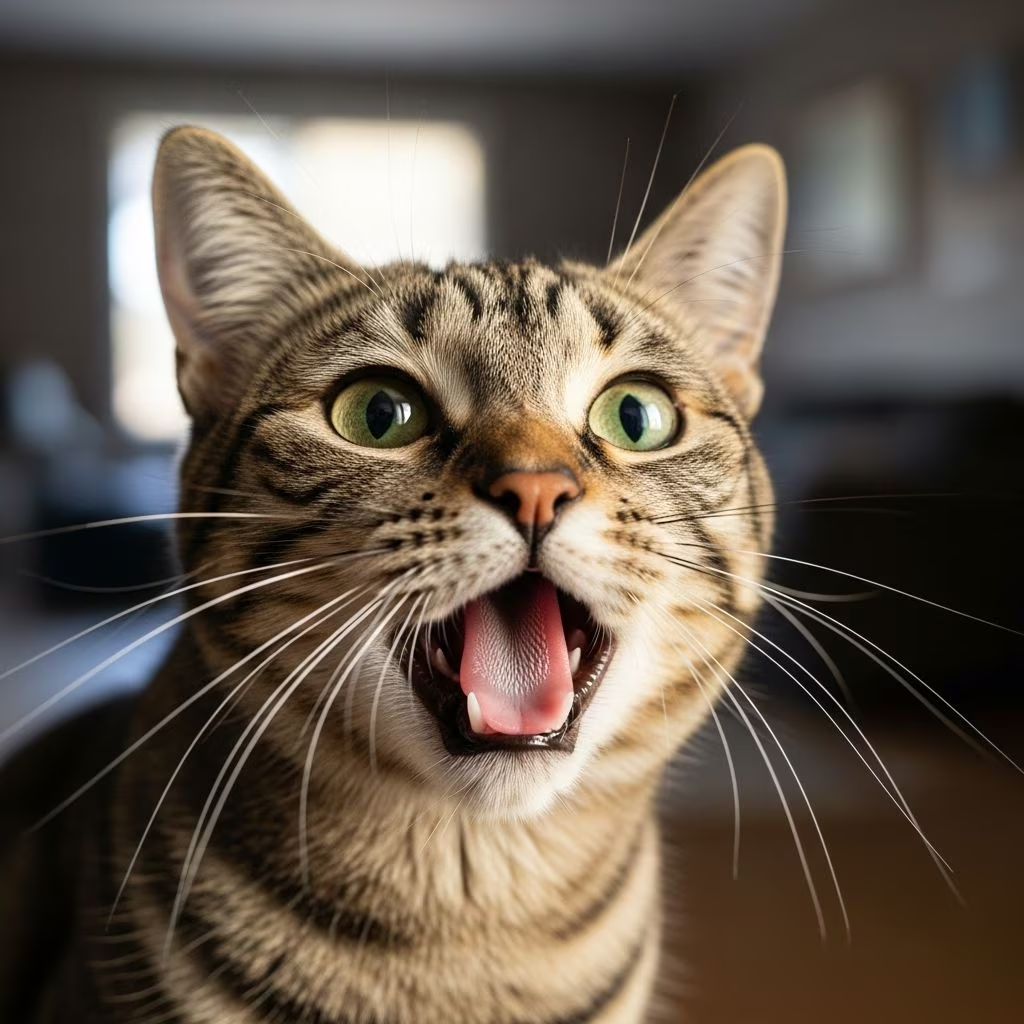
Cats communicate primarily through meowing, a vocalization directed mostly at humans rather than other cats. While occasional meows are normal, persistent or excessive meowing can leave owners wondering: do cats ever get tired of it? The answer is nuanced—cats don’t tire of meowing in the human sense but may reduce it when their needs are met or behaviors are modified. Understanding the root causes, from basic needs to health issues, is key to addressing it effectively.
This comprehensive guide covers why cats meow excessively, common triggers, and practical solutions backed by veterinary insights. Whether your cat yowls at night, begs for food, or seeks attention, these strategies can restore peace to your home.
Understanding Cat Meowing: Why Do Cats Meow at Humans?
Cats meow far more to people than to each other, a behavior kittens use to solicit care from mothers and one that persists into adulthood when interacting with owners. Adult cats among themselves rarely meow, preferring body language, scents, or other vocalizations like hissing.
Meowing serves multiple purposes: greeting, demanding food, expressing discomfort, or seeking play. The tone, volume, and persistence vary—short mews for greetings, drawn-out yowls for urgency. Excessive meowing often signals unmet needs or learned habits where cats realize vocalization gets results.
- Greeting and affection: A soft chirp upon your return.
- Requests: Insistent meows for food, door access, or attention.
- Distress signals: Loud, repetitive cries indicating pain, stress, or confusion.
Recognizing these patterns helps differentiate normal from problematic meowing.
Reasons Your Cat Might Meow Excessively
Multiple factors drive constant meowing. Identifying the cause requires observing context, such as timing, accompanying behaviors, and recent changes.
Hunger or Thirst
Hunger prompts insistent meows, often with pawing at bowls or staring at food storage areas. Cats may vocalize before mealtimes if schedules are inconsistent. Thirst elicits similar pleas, especially if water is inaccessible.
Solution: Establish fixed feeding times and ensure fresh water is always available. Avoid rewarding meows with immediate food; wait for quiet moments to reinforce silence.
Attention-Seeking
Bored or lonely cats meow to engage owners, escalating if responses are given. Behaviors include pawing arms, blocking paths, or vocalizing during work calls.
This learned behavior strengthens through reinforcement. Indoor cats, especially those alone often, amplify it due to understimulation.
Boredom and Loneliness
Solitary by nature but social with humans, cats left alone may meow excessively upon return or throughout the day from lack of engagement. Moving toys or puzzle feeders help, but interactive play is best.
Stress or Anxiety
Environmental shifts—like new pets, moves, or loud noises—trigger stress meowing, often with hiding, overgrooming, or appetite changes. Fireworks or thunderstorms exacerbate it.
Anxious cats vocalize to self-soothe or seek reassurance.
Pain or Medical Issues
Sudden increases in meowing warrant a vet visit, as conditions like urinary tract infections, dental pain, arthritis, hyperthyroidism, or cognitive dysfunction cause discomfort.
Signs include limping, aggression, appetite loss, or altered meow quality (hoarse or absent). Older cats may meow from disorientation.
Heat Cycles in Unspayed Cats
Female cats in heat yowl loudly and persistently to attract mates, becoming extra affectionate. Males also vocalize if unneutered. Spaying/neutering eliminates this.
Age-Related Confusion
Senior cats experience cognitive decline, leading to nighttime disorientation and meowing. A nightlight aids navigation.
Do Cats Get Tired of Meowing? The Science Behind Vocal Fatigue
Cats possess a larynx enabling sustained meowing without quick fatigue, unlike dogs’ barks. However, hoarseness can occur from laryngitis, tumors, or paralysis, altering or silencing meows—always vet-checked.
They don’t ‘tire’ psychologically but stop when goals are met or behaviors extinguished. Persistent meowing despite rest suggests ongoing issues.
| Cause | Symptoms | Solutions |
|---|---|---|
| Hunger | Pawing bowls, kitchen stares | Consistent schedule, ignore vocal demands |
| Attention | Path-blocking, pawing | Ignore meows, scheduled play |
| Medical | Limping, appetite change | Vet exam |
| Stress | Hiding, overgrooming | Enrich environment, pheromone diffusers |
| Heat | Yowling, rubbing | Spay/neuter |
How to Stop Excessive Meowing: Proven Strategies
Addressing meowing starts with ruling out health issues via vet check. Then, target behaviors systematically.
1. Veterinary Evaluation First
Examine for pain, thyroid issues, or infections. Bloodwork may be needed for seniors.
2. Ignore Attention-Seeking Meows
Don’t respond to vocal demands; reward quiet with attention or treats. Consistency is crucial—family-wide.
3. Enrich the Environment
Increase play before bed to tire cats physically/mentally. Use toys, scratching posts, window perches, and auto-movers for alone time.
- Interactive wands for 15-20 minutes daily.
- Puzzle feeders for mental stimulation.
- Vertical spaces like cat trees.
4. Consistent Routines
Fixed feeding, litter cleaning, and bedtime reduce anxiety. Leave dry food/water overnight.
5. Address Stressors
Slow new pet introductions, use calming pheromones. For noise, provide safe hiding spots.
6. Spay/Neuter
Eliminates heat-related yowling permanently.
7. Nighttime Meowing Specifics
Play vigorously pre-bed, ignore cries, ensure litter/food access. Supplements like L-theanine may help severe cases, vet-prescribed.
Frequently Asked Questions (FAQs)
Why does my cat meow at night?
Night meowing stems from energy surplus, hunger, boredom, or disorientation (seniors). Play before bed and ignore to retrain.
How do I get my cat to stop meowing for food?
Feed on schedule, ignore vocal begging, reward silence. Puzzle feeders prevent boredom eating.
Is excessive meowing always a health problem?
No, but sudden changes require vet checks. Behavioral causes like attention or stress are common after ruling out medical.
Will my cat stop meowing if I ignore it?
Yes, for learned behaviors, but not medical/stress/heat. Combine with enrichment.
Do older cats meow more?
Yes, due to cognitive dysfunction; nightlights and routines help.
Long-Term Prevention and Cat Well-Being
Preventive care includes annual vet visits, spaying/neutering by 6 months, and daily interaction. Monitor for changes in vocalization, appetite, or litter use.
A stimulated cat is a quiet one. Invest in quality time—your bond strengthens, meowing decreases. If issues persist post-interventions, consult specialists for behavioral therapy.
By addressing root causes proactively, you’ll enjoy a harmonious home with your feline companion.
References
- 5 Reasons Your Cat Won’t Stop Meowing At Night & How To Stop It — YouTube (Jackson Galaxy). Accessed 2026. https://www.youtube.com/watch?v=1gWWnz8IhHA
- Excessive Cat Meowing & Crying: Why It Happens & What to Do — Sploot Veterinary Care. Accessed 2026. https://www.splootvets.com/post/excessive-cat-meowing-crying-why-it-happens-what-to-do
- Why does my cat meow so much? 7 Causes and solutions — Riverwood Pet Food. Accessed 2026. https://www.riverwoodpetfood.com/en/blogs/why-does-my-cat-meow-so-much-7-causes-and-solutions
- Why Does My Cat Meow at Night? 6 Reasons & Ways to Prevent It — Purina. Accessed 2026. https://www.purina.com/articles/cat/behavior/training/cat-meowing-at-night
- Meowing and Yowling — Alley Cat Rescue. Accessed 2026. https://www.saveacat.org/meowing-and-yowling.html
- Why Is My Cat Meowing So Much? — PetMD. Accessed 2026. https://www.petmd.com/cat/behavior/cat-meowing
- Meowing and Yowling — ASPCA. Accessed 2026. https://www.aspca.org/pet-care/cat-care/common-cat-behavior-issues/meowing-and-yowling



