

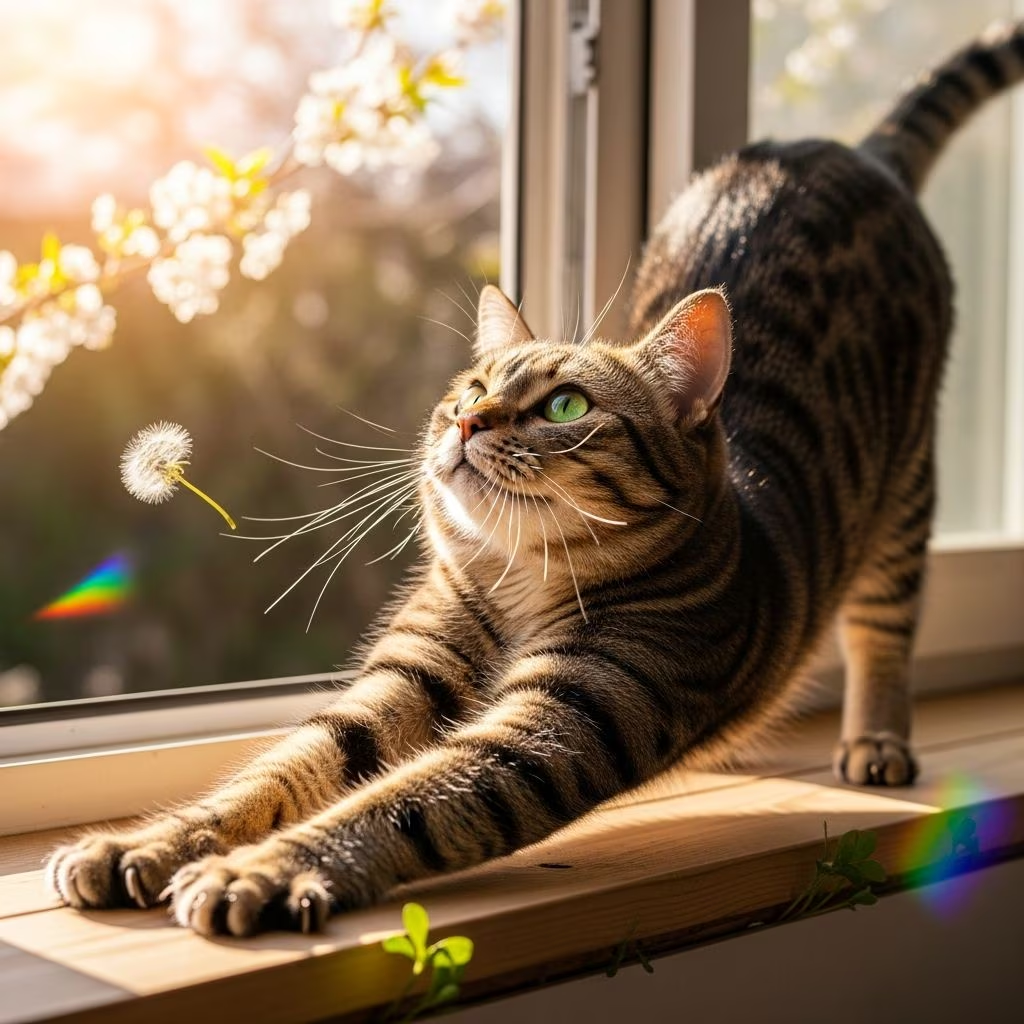
As winter fades and spring blooms, many cat owners notice their felines acting unusually energetic, restless, or even mischievous. This phenomenon, often called **spring fever in cats**, mirrors human experiences of renewed vigor with warmer weather and longer days. But do cats truly get spring fever? Yes, cats exhibit seasonal behavioral changes driven by environmental shifts, increased daylight, and biological instincts, leading to heightened activity and sometimes challenging behaviors.
This comprehensive guide covers what spring fever means for cats, its causes, telltale signs, and proven strategies to help your cat—and you—navigate this lively season smoothly. Drawing from veterinary insights and pet behavior experts, we’ll explore how to channel your cat’s energy positively while ensuring their health and happiness.
What Is Spring Fever in Cats?
**Spring fever in cats** refers to a surge in energy, restlessness, and altered behaviors as seasons transition from winter to spring. Often likened to a feline version of seasonal affective disorder (SAD) in reverse, it stems from cabin fever accumulated during colder months, culminating in explosive outdoor yearnings when warmth returns.
Unlike winter lethargy, spring brings overstimulation from buzzing wildlife, blooming nature, and extended daylight, prompting cats to shake off their winter coats—literally and figuratively. Indoor cats may pace near windows, while outdoor ones demand access to explore. This isn’t illness but a natural response to environmental cues, though unmanaged it can lead to stress, aggression, or litter box issues.
Experts note that all cats, regardless of age or breed, can experience it, but unspayed females and young kittens show amplified symptoms due to hormonal influences. Recognizing it early allows proactive management, preventing destructive habits and fostering a harmonious home.
Causes of Spring Fever in Cats
Several interconnected factors trigger spring fever, primarily tied to biological and environmental changes. Understanding these helps tailor effective responses.
- Increased Daylight Hours: Longer days disrupt cats’ circadian rhythms, mimicking their ancestral hunting cycles and boosting alertness. Cats are crepuscular (active at dawn/dusk), so extra light amplifies this.
- Warmer Temperatures: Rising heat prompts shedding of thick winter fur and revs metabolism, increasing energy and appetite.
- Wildlife Activity: Birds chirping, squirrels scampering, and insects emerging overstimulate cats’ predatory instincts, causing frustration if confined indoors.
- Hormonal Surges: Intact cats experience mating urges as breeding seasons align with spring fertility peaks.
- Post-Winter Boredom: Cabin fever from limited winter activity builds pent-up energy, released explosively in spring.
These causes compound, creating a perfect storm of feline frenzy. Veterinary sources emphasize that while natural, they can exacerbate allergies or anxiety if ignored.
Signs Your Cat Has Spring Fever
Spotting spring fever early prevents escalation. Cats display a mix of physical and behavioral cues, varying by individual but commonly including:
- Restlessness and Zoomies: Frenetic running, jumping, or ‘parkour’ off furniture, often at odd hours.
- Early Wake-Ups: Dawn meowing or pouncing to demand play, synced to sunrise.
- Increased Vocalization: Excessive meowing, howling, or yowling, especially from unspayed cats signaling mates.
- Excessive Shedding: Heavy fur loss as winter coats molt, leaving tufts everywhere.
- Heightened Appetite: Bigger meals devoured quickly due to ramped metabolism.
- Outdoor Yearning: Pawing at doors/windows, sunbathing obsessively, or escape attempts.
- Mating Behaviors: Rubbing, rolling, or spraying in intact cats.
- Aggression or Clinginess: Irritability toward others or sudden velcro-like attachment.
- Litter Box Forgetfulness: Accidents from distraction or stress.
- Growth Spurts in Kittens: Rapid development mimicking adulthood overnight.
These signs mimic allergies (itching, sneezing) or illness, so consult a vet to rule out issues like hyperthyroidism or parasites.
How to Help Your Cat Cope with Spring Fever
Managing spring fever focuses on channeling energy, meeting instincts safely, and maintaining health. Implement these vet-recommended strategies:
Increase Exercise and Playtime
Daily interactive sessions burn energy. Use wand toys, laser pointers, or DIY setups mimicking prey. Aim for 30-60 minutes split into sessions, incorporating cat trees and scratchers.
- Schedule dawn/dusk play to match natural peaks.
- Rotate toys to prevent boredom.
- Leash-train for safe outdoor walks.
Provide Outdoor Access Safely
Enclosed patios or harness walks satisfy exploration urges without risks like traffic or fights. Supervised sunbathing boosts vitamin D but limit to avoid sunburn.
Spay or Neuter Your Cat
Sterilization curbs hormonal drives, reducing roaming and aggression. Ideal for intact cats; post-op care includes wound sprays and rest.
Adjust Diet and Hydration
High-protein, low-carb meals support energy without crashes. Puzzle feeders slow eating; ensure fresh water to combat dehydration.
| Nutrient Focus | Benefits for Spring Fever | Examples |
|---|---|---|
| High Protein | Sustains energy, muscle health | Chicken, fish-based kibble |
| Low Carbs | Prevents hyperactivity spikes | Grain-free formulas |
| Omega-3s | Reduces inflammation, shedding | Fish oil supplements |
| Hydration Boosters | Aids coat transition | Fountains, wet food |
Grooming and Enrichment
Daily brushing reduces shedding and stress. Add hiding spots, window perches, and pheromone diffusers for calm.
Critical Takeaways for Cat Spring Fever
- Boost **mental and physical stimulation** with toys, walks, and play.
- Opt for **balanced, protein-rich diets** and ample hydration.
- Ensure **safe spaces** to explore and hide.
- Consider **spaying/neutering** to temper instincts.
- Monitor for **allergies or health issues** mimicking symptoms.
- Limit sun exposure to protect skin.
Frequently Asked Questions (FAQs)
What is cat spring fever?
Spring fever is a seasonal burst of energy in cats due to longer days, warmer weather, and instincts, causing restlessness and playfulness.
Do all cats get spring fever?
Most do, but intensity varies; kittens and intact cats show stronger signs.
How long does cat spring fever last?
Typically through peak spring (March-May), easing as cats adjust.
Is spring fever dangerous for cats?
Not usually, but unmanaged it leads to stress or injury; vet check if persistent.
Can indoor cats get spring fever?
Yes, window-gazing and zoomies are common as they sense changes.
Should I let my cat outside during spring fever?
Supervised only; use enclosures to avoid risks.
References
- How to Manage Your Cat’s Spring Fever: Expert Advice on What to Do — HICC Pet. 2023-2024. https://hiccpet.com/blogs/cats/how-to-manage-your-cats-spring-fever-expert-advice-on-what-to-do
- Does My Cat Have Spring Fever? Here Are 5 Ways to Help — Hilde Phil. 2023-2024. https://www.hilde-phil.com/blogs/news/does-your-cat-have-spring-fever
- From Naps to Zoomies: Spring Fever Symptoms That Change Your Cat’s Routine — Gou Gou Pets. 2023-2024. https://gougoupets.com/blogs/news/from-naps-to-zoomies-spring-fever-symptoms-that-change-your-cat-s-routine-1
- Cat Spring Fever: Why Your Cat Acts Wild When the Seasons Change — Neater Pets. 2023-2024. https://neaterpets.com/blogs/news/cat-spring-fever
- Spring Fever in Cats: When Your Feline Friend Loses Their Mind — Whisker Talk. 2023-2024. https://whiskertalk.com/spring-fever-in-cats-when-your-feline-friend-loses-their-mind-with-the-changing-seasons/
- SPRING BREAK! (for felines) — Cat Doctors. 2023-2024. https://www.catdoctors.com/blog/spring-break-for-felines



