

Do Cats Get Seasonal Allergies?
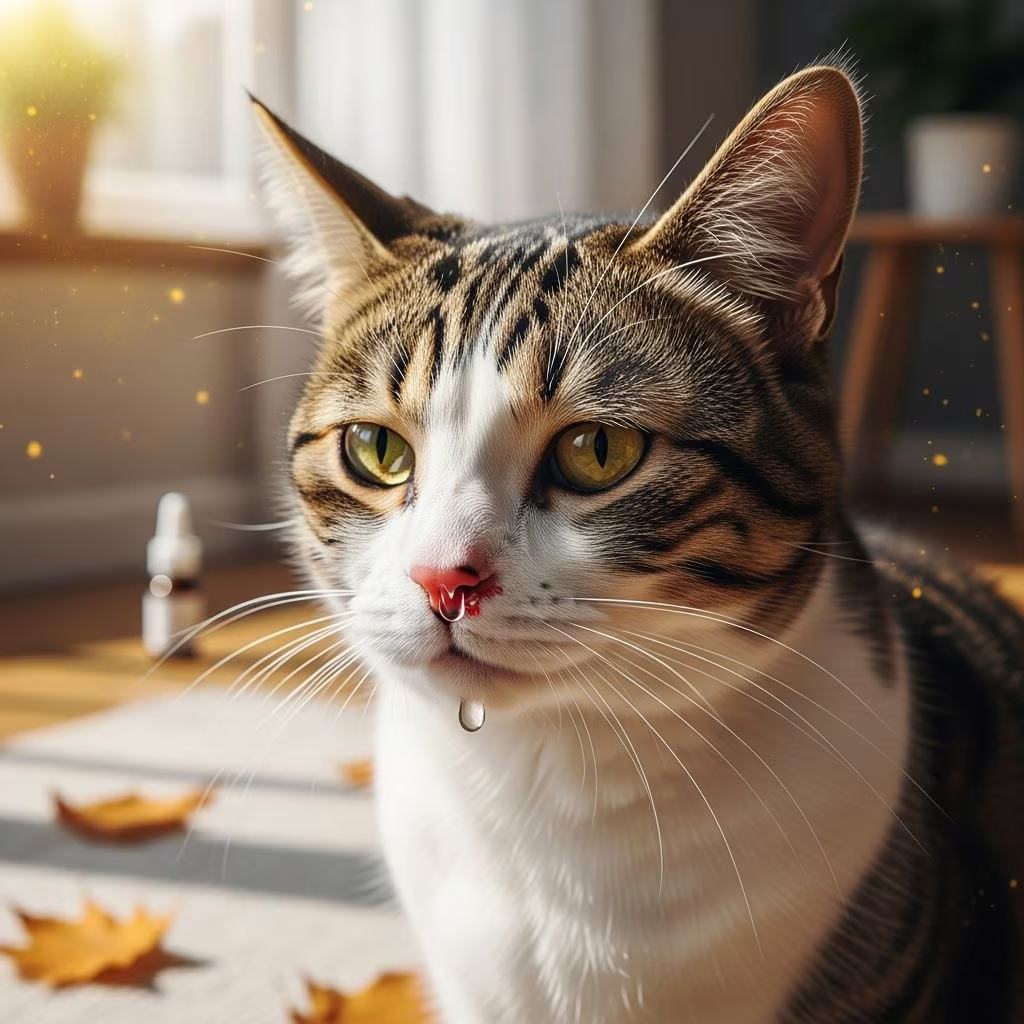
Yes, cats do experience seasonal allergies, though they manifest differently than in humans. Unlike people who typically develop watery noses and puffy eyes during allergy season, cats primarily suffer from itching and skin irritation. Seasonal allergies in cats, also known as atopic dermatitis, occur when a cat’s immune system overreacts to environmental allergens such as pollen, grass, mold spores, and dust mites. These conditions can significantly impact your cat’s comfort and quality of life, making it essential for cat owners to recognize the signs and seek appropriate veterinary care.
Common Symptoms of Cat Seasonal Allergies
Recognizing the symptoms of seasonal allergies in cats is crucial for early intervention. The signs of feline allergies can vary from cat to cat, but several symptoms are consistently observed:
- Excessive itching and scratching: This is the most prevalent symptom. Cats may scratch or groom themselves excessively, leading to visible discomfort and behavioral changes.
- Hair loss: Overgrooming and scratching often result in patchy hair loss, typically appearing on the neck, base of ears, base of tail, or groin area. The hair loss is usually symmetrical along the back.
- Frequent sneezing: Though less common than skin symptoms, cats may experience repeated sneezing episodes, sometimes accompanied by a runny nose.
- Watery or red eyes: Allergies can cause ocular irritation, resulting in redness and watery discharge from the eyes.
- Ear infections: Recurrent or persistent ear infections may indicate an underlying allergy, as allergies can predispose cats to secondary bacterial or yeast infections.
- Respiratory issues: While less frequent, some cats may exhibit wheezing or coughing as part of their allergic response.
- Skin inflammation: Red, inflamed skin patches may develop, particularly in areas where the cat has been scratching intensely.
What Causes Seasonal Allergies in Cats?
Seasonal allergies in cats are triggered by environmental allergens that vary depending on the time of year and geographic location. Common allergens include:
- Tree, grass, and weed pollen
- Mold and mildew spores
- Dust mites and their fecal matter
- Dust and household particles
- Feathers and pet dander
When cats inhale or come into contact with these allergens, their immune system may overreact, causing inflammation and triggering the characteristic allergy symptoms. Additionally, fleas can exacerbate allergic reactions, making year-round flea prevention essential for allergic cats.
How Veterinarians Diagnose Cat Allergies
Diagnosing seasonal allergies in cats typically involves a comprehensive veterinary evaluation. Your veterinarian will review your cat’s medical history, conduct a physical examination, and assess the seasonal pattern of symptoms. In some cases, more advanced diagnostics may be employed:
- Intradermal skin testing: A veterinary dermatologist may perform this test by injecting small amounts of potential allergens under the skin to identify specific allergic reactions.
- IgE blood tests: These tests measure immunoglobulin E levels in response to specific allergens, helping identify which substances trigger your cat’s allergies.
- Elimination diet: If food allergies are suspected alongside or instead of environmental allergies, an elimination diet may be recommended.
Proper diagnosis is critical because it allows veterinarians to develop a targeted treatment plan tailored to your specific cat’s needs.
Treatment Options for Cat Seasonal Allergies
Veterinarians employ a multifaceted approach to treat feline seasonal allergies, addressing both the underlying cause and secondary complications. Treatment strategies vary based on allergy severity, season length, and individual cat response.
Topical Treatments
Topical therapies are often the first line of defense for managing symptoms and improving skin health:
- Medicated shampoos: Prescription shampoos containing antibacterial or antifungal agents help cleanse the skin, remove allergens, and treat secondary infections. Many contain soothing ingredients like oatmeal.
- Prescription ear flushes: These help manage ear infections and remove allergens from the ear canal.
- Anti-inflammatory topicals: Creams, sprays, and lotions applied directly to affected areas reduce inflammation and provide localized relief.
- Leave-on conditioners: These products provide sustained relief and can reduce the need for frequent bathing.
Oral Medications
Systemic medications address allergic reactions from within the body:
- Corticosteroids: Medications like prednisolone or methylprednisolone rapidly block allergic reactions and improve clinical signs. However, long-term steroid use requires careful monitoring due to potential health complications.
- Antihistamines: Drugs such as diphenhydramine and chlorpheniramine help control itching, though effectiveness varies among individual cats. These are often used preventively before allergy season begins.
- Cyclosporine (Atopica): This immune-modulating drug is beneficial for long-term allergy management and may be preferable to steroids for chronic cases.
- Oral antibiotics: These are prescribed when secondary bacterial infections develop as a result of scratching and skin damage.
Injectable and Advanced Therapies
For more challenging cases, veterinarians may recommend advanced treatment options:
- Injectable monoclonal antibody therapy: These targeted therapies modulate the immune response to reduce allergic reactions.
- Allergen-specific immunotherapy (allergy shots): This is considered the most effective long-term therapy for seasonal allergies. After identifying specific allergens through testing, a custom serum is created containing small amounts of those allergens. Regular injections or sublingual drops gradually reprogram the immune system to tolerate these substances, significantly improving quality of life over time.
Over-the-Counter Options
For mild allergies without secondary infections, over-the-counter antihistamines may provide relief. Common options include Benadryl (diphenhydramine), Zyrtec (cetirizine), and Claritin (loratadine). However, you must always consult your veterinarian before administering any medication to ensure proper dosing and safety for your individual cat.
Home Management Strategies
Beyond veterinary treatments, several home-based interventions can help manage your cat’s seasonal allergies:
Environmental Control
- HEPA filtration: Installing air cleaners with HEPA filters removes airborne allergens from your home environment.
- Regular cleaning: Frequently vacuuming and dusting, especially in areas where your cat spends time, reduces allergen accumulation.
- Remove carpeting: When possible, replacing carpeted areas with hard flooring reduces allergen harboring surfaces.
- Uproot problematic plants: Removing indoor plants and weeds that trigger allergies can help reduce exposure.
Bathing and Skin Care
Regular bathing with medicated shampoos removes allergens from your cat’s skin and coat. Oatmeal-based shampoos are particularly beneficial for moisturizing and soothing irritated skin. If your cat is on topical flea prevention, consult your veterinarian to ensure bathing schedules don’t reduce medication effectiveness.
Dietary Supplements
- Omega-3 fatty acids and fish oil: These supplements improve skin barrier function, decrease inflammation, and reduce itching.
- Probiotics: These restore healthy bacteria balance in the gastrointestinal tract, supporting immune function and reducing skin allergy symptoms.
Physical Barriers
Using clothing such as t-shirts or recovery cones can cover itchy areas and reduce the urge to scratch, providing relief and preventing further skin damage.
Flea Prevention
Strict year-round flea control is essential, as fleas can dramatically exacerbate allergy flare-ups. Products like Revolution Plus and Comfortis should be used consistently, and all pets in the household should be included in flea prevention protocols.
Managing Allergy Flare-Ups and Secondary Infections
Secondary bacterial and yeast infections are common complications of seasonal allergies because scratching creates entry points for pathogens. These infections can significantly increase itching and discomfort. Treatment typically requires:
- Oral or topical antibiotics for bacterial infections
- Antifungal medications for yeast infections
- Anti-inflammatory medications to reduce swelling and itching
- Frequent monitoring to prevent infection recurrence
Long-Term Management Considerations
Seasonal allergies in cats are typically lifelong conditions requiring ongoing management. Successful treatment demands a comprehensive approach that combines multiple strategies tailored to your cat’s specific needs. Regular veterinary check-ups are essential to:
- Monitor treatment effectiveness
- Adjust medications as needed
- Screen for secondary infections
- Evaluate bloodwork if long-term medications are used
- Assess quality of life and comfort levels
Frequently Asked Questions
Q: Can indoor cats get seasonal allergies?
A: Yes, indoor cats can develop seasonal allergies. Outdoor allergens like pollen and mold spores can enter homes through windows, doors, and on clothing. Additionally, indoor environmental factors such as dust mites and mold can trigger allergic responses in susceptible cats.
Q: How long does it take for allergy shots to work in cats?
A: Allergen-specific immunotherapy (allergy shots) is a gradual process. While some cats may show improvement within a few months, it typically takes 6 to 12 months of consistent treatment to see significant results. The timeline varies based on individual cats and the specific allergens involved.
Q: Are there any side effects to long-term steroid use in cats?
A: Long-term corticosteroid use can lead to various health complications including increased appetite, weight gain, diabetes, and immunosuppression. This is why steroids are typically used for short-term relief during acute flare-ups rather than as long-term management, and regular veterinary monitoring is essential.
Q: Can diet affect my cat’s allergies?
A: While seasonal allergies are primarily environmental, overall nutrition plays a supportive role. Omega-3 supplements and probiotics can help improve skin health and reduce inflammation. Additionally, some cats may have concurrent food allergies that compound their symptoms, which your veterinarian can address.
Q: Is it safe to give my cat over-the-counter antihistamines?
A: Never give your cat any medication, including over-the-counter antihistamines, without veterinary approval. Dosages for cats differ significantly from humans, and some medications can be harmful. Always consult your veterinarian for safe options and appropriate dosing.
Q: How can I tell if my cat’s symptoms are from allergies versus other conditions?
A: Several conditions can mimic allergy symptoms, including parasitic infections, fungal infections, and behavioral issues. Your veterinarian can perform diagnostic tests to rule out these conditions and confirm allergies through history assessment and specialized testing when needed.
Q: What’s the difference between food allergies and seasonal allergies in cats?
A: Seasonal allergies follow a predictable pattern related to time of year and are triggered by environmental allergens. Food allergies persist year-round since cats are exposed to food continuously. If symptoms are constant rather than seasonal, food allergies may be involved, and an elimination diet may be recommended.
References
- Seasonal Allergies in Cats — PetMD. 2024. https://www.petmd.com/cat/conditions/skin/seasonal-allergies-cats
- Allergies of Cats – Cat Owners — Merck Veterinary Manual. https://www.merckvetmanual.com/cat-owners/skin-disorders-of-cats/allergies-of-cats
- Allergies in Cats — VCA Animal Hospitals. https://vcahospitals.com/know-your-pet/allergies-in-cats
- Seasonal Allergies in Cats and How to Handle Them — Michigan Animal Hospital. 2024. https://www.michigananimalhospital.com/site/blog/2024/07/15/cat-allergies
- What Can I Give My Cat For Their Allergies? — Greensboro Vets. 2022. https://www.greensboroncvet.com/site/friendly-animal-clinic-blog/2022/12/30/give-my-cat-for-allergies



