

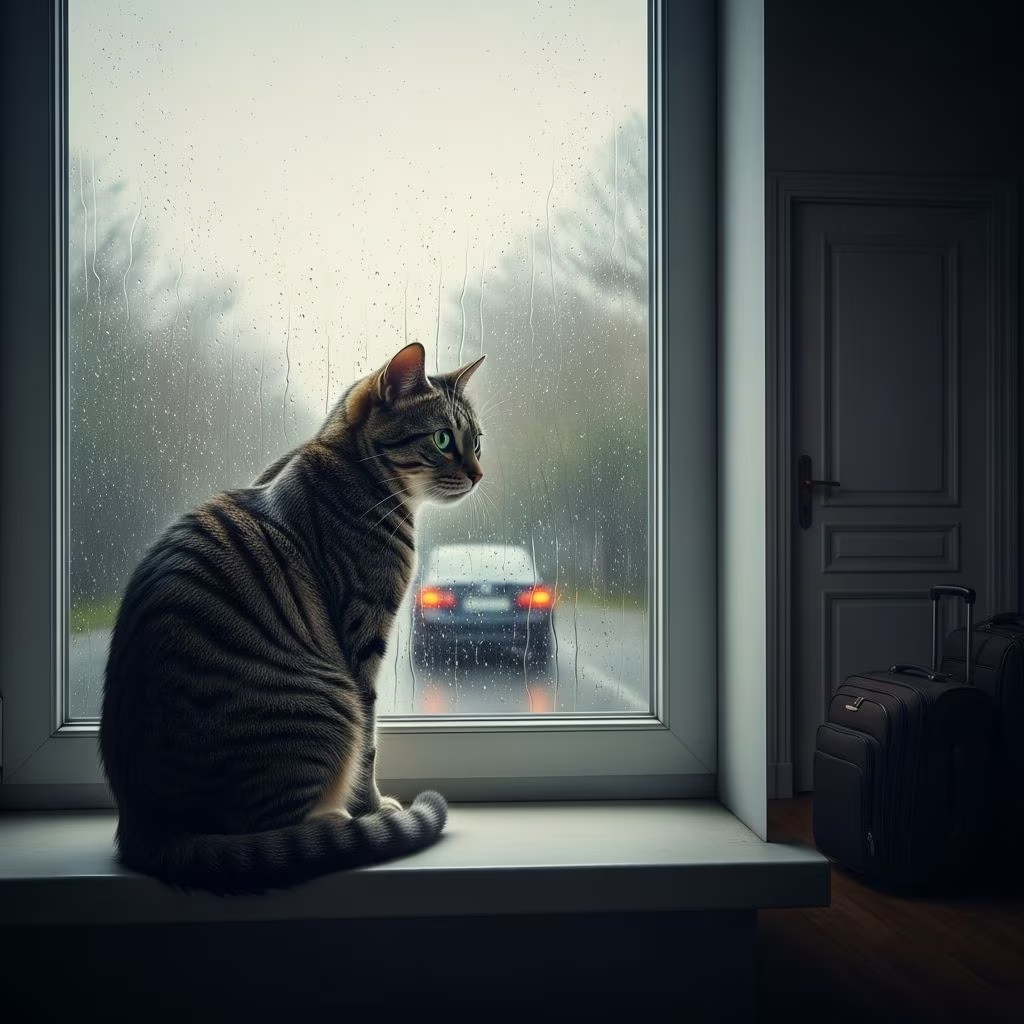
Cats are often perceived as independent creatures who don’t mind being left alone, but many cat owners wonder if their feline friends truly experience sadness or anxiety during extended absences like vacations. While cats may not express emotions in the same overt way as dogs, research and veterinary insights reveal that separation anxiety in cats is a real phenomenon, especially triggered by routine disruptions such as owners leaving for trips. Prolonged absences can lead to stress responses including excessive vocalization, litter box issues, and clingy behavior upon return. This article delves into the signs your cat might be unhappy when you’re away, how to prepare them for your departure, care options during your vacation, and strategies for a smooth homecoming.
Understanding Feline Emotions and Separation Anxiety
Cats form deep attachments to their primary caregivers, contrary to the myth of them being aloof. Dr. Carol Osborne, DVM, notes that “feline separation anxiety is very serious,” with cats experiencing it similarly to dogs, though it’s underrecognized. Separation anxiety manifests when a cat’s routine is disrupted, such as during vacations, leading to behaviors aimed at coping with the perceived loss of security. Key triggers include preparation cues like picking up keys or packing bags, which cats associate with abandonment.
Unlike human sadness, a cat’s response is instinctual—rooted in survival instincts where the absence of their ‘pack leader’ signals potential danger. Studies and vet observations show cats with secure attachments may show subtle signs, while those with pre-existing anxiety exhibit more pronounced distress. Observing patterns tied to your departures is crucial for identification.
Signs Your Cat Gets Sad or Anxious When You Leave
Recognizing cat separation anxiety symptoms early can prevent escalation. These behaviors often intensify right before you leave, during your absence (reported by sitters), or upon your return. Here are the most common indicators:
- Excessive Vocalization: Persistent meowing, crying, whining, or howling, especially when alone or hearing departure cues. Some cats vocalize while carrying toys, mimicking distress calls.
- Inappropriate Elimination: Urinating or defecating outside the litter box, often on your belongings like beds or shoes to reclaim scent and security.
- Attempts to Escape: Bolting from rooms, carriers, or the home when you prepare to leave, driven by panic.
- Over-Reactions to Return: Extreme excitement, clinginess, or aggression lasting minutes upon your homecoming, indicating built-up stress.
- Pervasive Over-Attachment: ‘Velcro cat’ behavior, refusing to be in separate rooms even when you’re home.
- Appetite and Sleep Changes: Eating less/more, digestive issues, restless naps, or excessive sleeping.
- Destructive Behavior: Scratching furniture or over-grooming linked to anxiety.
These signs correlate with your absence timing. For instance, nighttime howling may signal fear of overnight separation. Always rule out medical issues like urinary tract infections first, as they mimic anxiety behaviors.
How Cats Experience Vacations Differently Than Daily Absences
Short workdays differ from multi-day vacations due to duration and routine upheaval. Daily absences allow cats to maintain habits, but vacations mean no familiar interactions, amplifying stress. Cats thrive on predictability; sudden changes confuse them, leading to disrupted sleep, reduced eating, and vocal pleas. In familiar homes, anxiety stems from your scent fading; boarding adds environmental stress. Vacations heighten risks for anxious cats, making preparation essential.
Preventing Separation Anxiety Before Your Trip
Proactive steps build resilience. Start weeks ahead:
- Desensitize Departure Cues: Practice picking up keys, putting on shoes without leaving; reward calm behavior with treats (counter-conditioning).
- Encourage Independence: Ignore clingy demands; praise solo play or resting elsewhere.
- Enrich Environment: Provide puzzle feeders, toys, cat trees, and rotating items to mimic stimulation.
- Maintain Low-Key Routines: Keep arrivals/departures unceremonious—no dramatic goodbyes.
- Leave Comfort Items: Unwashed clothing with your scent, radio/TV on familiar stations.
- Pre-Trip Bonding: Extra play/cuddles to reinforce security before leaving.
For severe cases, consult a vet for pheromone diffusers or anti-anxiety aids.
Best Care Options for Your Cat During Vacation
Choosing the right care minimizes stress. Compare options:
| Option | Pros | Cons | Best For |
|---|---|---|---|
| In-Home Pet Sitter | Familiar environment; daily interaction/play; low stress | Cost; reliability | Anxious cats |
| Trusted Friend/Family | Personal touch; cost-effective | May lack cat expertise | Low-anxiety cats |
| Boarding Facility | Professional care; socialization | New environment stress; illness risk | Social, healthy cats |
| Automatic Feeders/Cameras | Convenience for short trips | No physical interaction | Independent cats, 1-2 days |
Professionals recommend 1-2 daily visits with play for extended trips over solo setups. Video calls or voice recordings provide reassurance.
Tips for Managing Cat Anxiety While You’re Away
While traveling, stay connected:
- Request sitter updates/photos/videos.
- Supply pheromone diffusers in hiding spots.
- Adjust visits: Frequent short ones for high-anxiety cats.
- Novel toys/puzzle feeders for mental engagement.
Monitor via cameras for early intervention.
Why Your Cat Acts Strange When You Return from Vacation
Post-vacation oddities like hiding, aggression, or aloofness arise from routine disruption and new scents on you. Dr. Taylor Truitt, DVM, explains cats get confused by changes, leading to temporary aggression or withdrawal. Over-excitement fades into stress relief.
How to Help Your Cat Readjust After Vacation
Ease reintegration:
- Stick to Sitter’s Routine: Maintain feeding/play schedules initially.
- Slow Reacquaintance: Let cat approach; avoid smothering.
- Preserve Safe Spaces: Keep new hideouts accessible with familiar items.
- Positive Reinforcement: Treats/play for interactions.
- Extra Enrichment: Gradual return to normalcy with bonding time.
Most readjust in days; persistent issues warrant vet checks.
Frequently Asked Questions (FAQs)
Do cats get sad when you leave for vacation?
Yes, many cats experience separation anxiety manifesting as stress rather than overt sadness, with signs like vocalizing and litter issues.
How long can you leave a cat alone during vacation?
24-48 hours max with auto-feeders; longer requires sitters for interaction.
What are signs of separation anxiety in cats at night?
Excessive howling/crying due to fear of prolonged separation; enrich evenings for independence.
Is boarding stressful for cats?
Often yes, due to new environments; in-home sitting is preferable.
How to stop cat meowing when leaving?
Desensitize cues, ignore demands, provide toys; use sitters for trips.
By understanding and addressing your cat’s needs, vacations can be enjoyable without guilt. Preparation ensures a happy, healthy feline upon return.
References
- Cat Separation Anxiety Symptoms? 8 Signs They Miss You — LadyNPet. 2023. https://ladynpet.com/us/blog/separation-anxiety-in-cats/
- Stressed Cat When You’re Away: Anxiety Signs and Solutions — Nomador. 2023. https://www.nomador.com/blog/pets/cat-stress-anxiety-away-from-home
- Why Is My Cat Acting Strange After I Come Home From Vacation? — Chewy. 2023. https://www.chewy.com/education/cat/training-and-behavior/why-is-my-cat-acting-strange-after-i-come-home-from-vacation
- 8 Signs of Separation Anxiety in Cats And What to Do About Them — Hickory Veterinary Hospital. 2023. https://www.hickoryvet.com/services/cats/blog/8-signs-separation-anxiety-cats-and-what-do-about-them
- Helping Your Cat with Being Left Alone & Separation Anxiety — Arm & Hammer. 2023. https://www.armandhammer.com/en/articles/tips-leaving-cat-alone-separation-anxiety



