

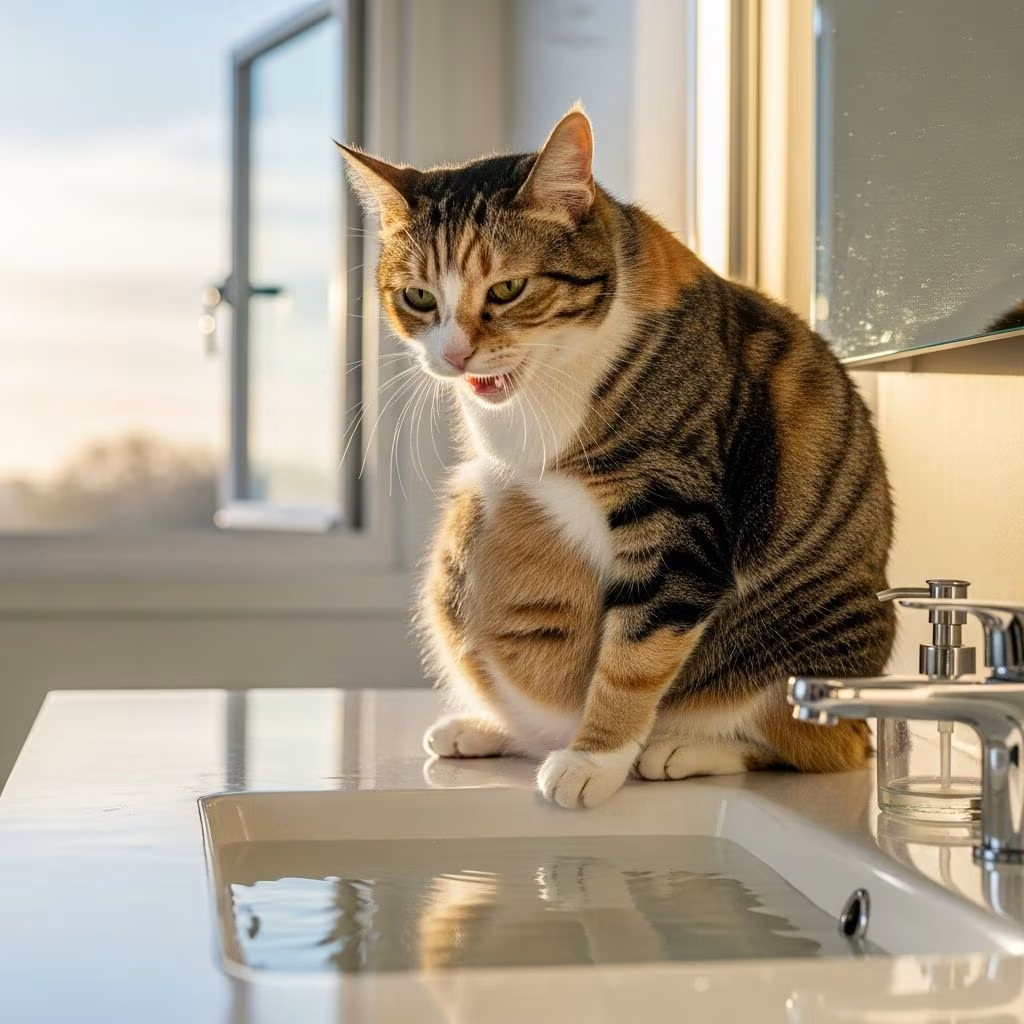
Morning sickness is a common experience for pregnant women, characterized by nausea and vomiting, especially in the first trimester. If you have a pregnant cat, you might wonder if she goes through something similar. The answer is yes—cats can experience morning sickness, typically in the early stages of their shorter gestation period.
Unlike humans, whose gestation lasts about nine months, cats carry kittens for around 63-65 days. Morning sickness in felines often appears around weeks 3-4, peaking with hormonal changes that affect digestion. Recognizing these signs early allows for better care, preventing dehydration or more serious issues like pregnancy toxemia.
Do Cats Get Morning Sickness?
Yes, cats do get morning sickness, primarily during the initial weeks of pregnancy. This condition arises from elevated levels of progesterone and estrogen, which slow gastrointestinal motility, leading to nausea and occasional vomiting.
Cat gestation is brief, so symptoms may emerge as early as the third or fourth week, coinciding with uterine expansion and fetal development. Not every pregnant cat shows signs; some breeze through pregnancy without noticeable discomfort. However, for those affected, it can manifest anytime during the day, not just mornings, differing from the human experience.
Understanding this helps cat owners differentiate normal pregnancy fluctuations from conditions requiring veterinary intervention, such as infections or dietary issues mimicking nausea. Early detection ensures the queen (pregnant cat) remains healthy for delivery.
What Are the Signs of Morning Sickness in Cats?
Signs of morning sickness in cats are subtler than in humans and can occur at any time. Cats are masters at hiding illness, so vigilance is key during early pregnancy.
- Frequent vomiting or retching: Unlike hairballs, this may happen multiple times, often without food content if the stomach is empty.
- Loss of appetite: Your cat may skip meals or show disinterest in food, a natural response to nausea.
- Increased drooling or lip licking: Hypersalivation signals an upset stomach, sometimes accompanied by smacking lips.
- Lethargy and behavioral changes: She might hide, become irritable, or sleep more due to discomfort.
- Overgrooming or vocalization: Excessive licking or meowing can indicate unease.
These symptoms typically last a few days and resolve as hormones stabilize. Monitor closely; persistent signs beyond 48 hours warrant a vet visit to rule out parasites, dietary intolerance, or inflammatory bowel disease.
Causes of Morning Sickness in Cats
The primary cause is hormonal surges—progesterone and estrogen levels rise sharply in early pregnancy, relaxing digestive muscles and causing nausea. Uterine stretching around weeks 3-4 exacerbates this as space for the stomach diminishes.
Secondary factors include:
- Stress or anxiety: Environmental changes can worsen digestive upset.
- Dietary shifts: Sudden food changes or intolerance to proteins like fish or dairy trigger vomiting.
- Underlying conditions: Parasites, hairballs, or infections like rotavirus can mimic or intensify symptoms.
- Overfeeding or toxins: Excess food or ingested hazards lead to stomach upset.
A table summarizing common causes:
| Cause | Description | Prevalence in Pregnancy |
|---|---|---|
| Hormonal Changes | Progesterone slows digestion | High (weeks 1-4) |
| Uterine Expansion | Compresses stomach | Moderate (weeks 3-4) |
| Diet Intolerance | Reaction to new foods | Variable |
| Parasites/Infections | Worms or viruses | Common in young cats |
Addressing root causes through vet-guided nutrition and deworming supports recovery.
Treatment and Care for Cats with Morning Sickness
Most cases resolve naturally within days with home care focused on comfort and nutrition. Always consult a vet for tailored advice.
- Dietary adjustments: Offer small, frequent meals of high-quality, pregnancy-formulated food—easily digestible with added taurine and calories. Bland options like boiled chicken can soothe temporarily.
- Hydration: Ensure fresh water access; add low-sodium broth if needed to encourage drinking.
- Quiet environment: Provide a stress-free nesting area away from noise and other pets.
- Regular check-ups: Monitor weight and ultrasound for fetal health.
Avoid over-the-counter meds; vets may prescribe anti-nausea drugs like Cerenia if severe. Transition foods gradually over 3-5 days to prevent further upset.
When to See a Vet for Morning Sickness in Cats
While mild symptoms are common, seek immediate care if:
- Vomiting persists >48 hours, risking dehydration.
- Blood appears in vomit/stool or diarrhea occurs.
- Complete refusal of food/water for >24 hours.
- Weakness, collapse, or severe lethargy.
These signal complications like malnutrition or infections needing IV fluids or diagnostics (bloodwork, ultrasounds). Early intervention boosts kitten survival rates.
Frequently Asked Questions (FAQs)
Q: Do all pregnant cats get morning sickness?
A: No, not all do; many show no signs, while others experience mild nausea around weeks 3-4.
Q: How long does morning sickness last in cats?
A: Typically a few days to a week, resolving as hormones stabilize.
Q: Is morning sickness dangerous for pregnant cats?
A: Mild cases aren’t, but prolonged vomiting can cause dehydration; vet care is essential if symptoms worsen.
Q: What foods help cats with morning sickness?
A: Small, frequent meals of pregnancy-specific kibble or wet food; avoid abrupt changes.
Q: Can stress cause morning sickness in cats?
A: Yes, it can exacerbate hormonal nausea; minimize disruptions.
Q: How can I tell if it’s morning sickness or something else?
A: Consult a vet for exams to rule out parasites, IBD, or diet issues.
Providing a calm, nutrient-rich environment during pregnancy ensures your cat delivers healthy kittens. Regular vet visits from confirmation of pregnancy track progress and address issues promptly.
References
- Can Cats Get Morning Sickness? — Zoorithm. 2023. https://www.zoorithm.com/cats/can-cats-get-morning-sickness
- Do Cats Get Morning Sickness? Vet-Approved Signs & Facts — Catster. 2023. https://www.catster.com/cat-health-care/do-cats-get-morning-sickness/
- Cat Vomiting: 10 Causes and How to Help — Veteris. 2023. https://veteris.co.uk/petcare-advice/cat-vomiting-ten-causes-and-how-to-help
- Cat Pregnancy: What To Expect When Your Cat Is Expecting — Litter-Robot. 2023. https://www.litter-robot.com/blog/cat-pregnancy-what-to-expect-when-your-cat-is-expecting/
- Nausea in Cats — PetMD. 2023. https://www.petmd.com/cat/symptoms/nausea



