

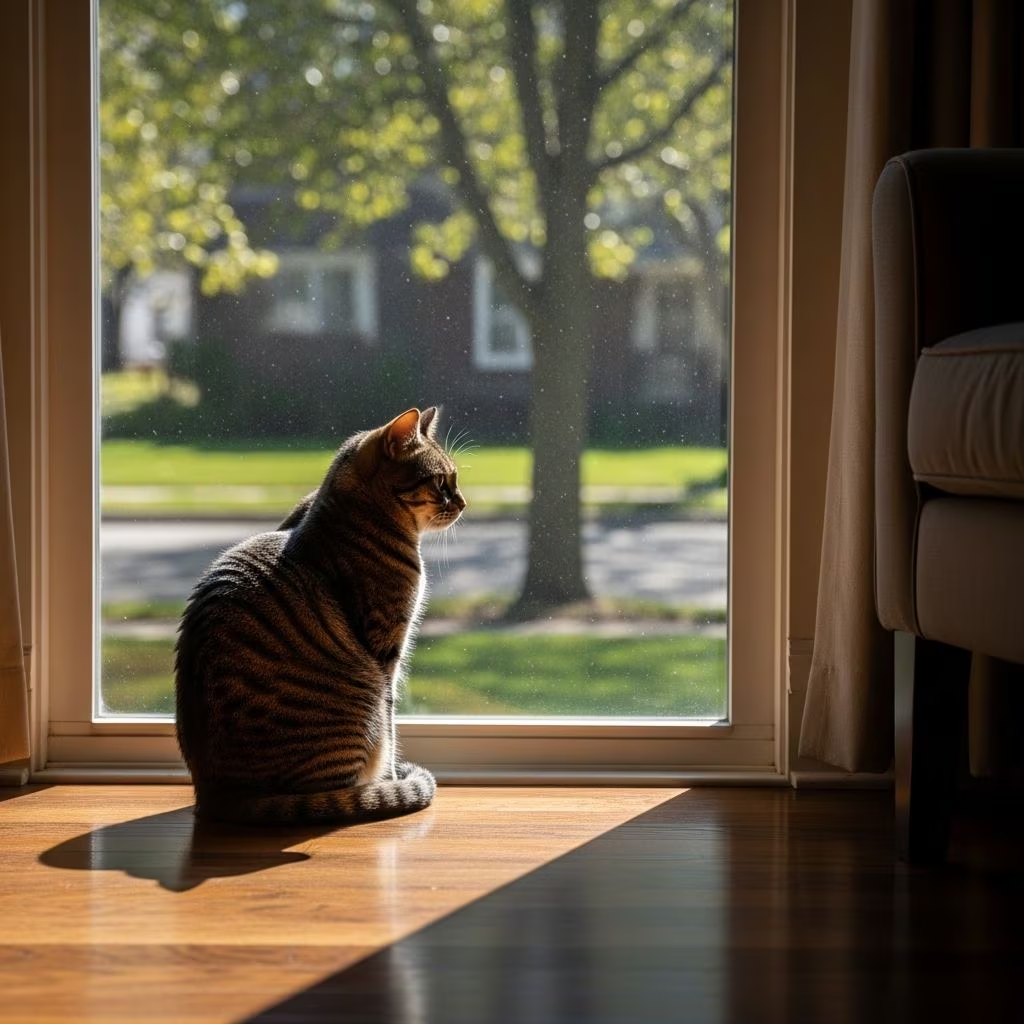
Do Cats Get Lonely Without Other Cats?
The question of whether cats experience loneliness is one that many cat owners grapple with, particularly those with single feline companions. The answer is nuanced: cats can feel lonely, though not necessarily in the same way humans do. Domestic cats are fundamentally a mix of social and solitary creatures, which means their loneliness levels depend heavily on their individual personalities, early experiences, and environmental circumstances.
Unlike dogs, which are pack animals by nature, cats have evolved as both independent hunters and capable social beings. This dual nature makes it challenging to predict whether a particular cat will thrive alone or benefit from feline companionship. Some cats are naturally social and seek out interaction, while others are perfectly content spending most of their time in solitude.
Understanding Cat Social Nature
To understand whether cats get lonely, it helps to examine their natural social structure. Domestic cats evolved from the African wildcat, a solitary species, which means independence is hardwired into their genetics. However, domestication and early socialization have introduced more complex social behaviors into cat communities.
In the wild, cats display fascinating social patterns. Female cats and kittens often form colonies where they cooperate in raising young, share resources, and participate in allogrooming—a bonding activity where cats groom each other. These matriarchal groups function best when the cats know each other well and have adequate food supplies. Kittens form especially strong bonds with their littermates and mothers, learning crucial social and hunting skills through play and interaction.
Male cats, by contrast, tend to be solitary. Their territories are significantly larger than those of females, and they rarely participate in colony structures. A male cat’s territory may overlap with that of a female colony, but males maintain their independence and typically hunt alone.
Signs Your Cat Might Be Lonely
Recognizing loneliness in cats can be challenging since cats are masters at hiding their emotions—a defense mechanism inherited from their wild ancestors. However, several behavioral indicators suggest your cat may be experiencing loneliness or boredom:
- Excessive vocalization: Constant meowing, yowling, or crying, particularly when you’re away from home
- Extreme attention-seeking: Following you from room to room, constantly rubbing against you, or demanding physical contact
- Destructive behavior: Scratching furniture, knocking items off shelves, or other disruptive actions that indicate frustration
- Hiding and withdrawal: Spending excessive time in hiding spots, avoiding interaction, or appearing withdrawn
- Changes in appetite: Loss of appetite or sudden overeating as a coping mechanism
- Litter box issues: Avoiding the litter box or inappropriate elimination, which can signal stress or anxiety
- Excessive grooming: Over-grooming to the point of hair loss or skin irritation
- Pacing and restlessness: Constant movement, inability to settle, or hyperactive behavior
It’s important to note that cats hide these signs effectively when you’re present. A webcam can reveal whether your cat paces, howls, or displays signs of distress when alone. In severe cases, separation anxiety may manifest through excessive self-grooming, hiding, or appetite changes, all of which warrant a veterinary consultation.
Which Cats Are More Prone to Loneliness?
Not all cats experience loneliness equally. Certain breeds and individual cats are more vulnerable to feelings of isolation. Understanding your cat’s risk factors can help you provide appropriate support and companionship.
Highly affectionate breeds such as Siamese, Burmese, and Ragdoll cats are naturally inclined toward human and feline companionship. These breeds often crave interaction and may struggle more when left alone for extended periods. Active and playful cats require substantial mental and physical stimulation to stay content. Without opportunities for play, climbing, and exploration, they quickly become bored and may display signs of loneliness.
Kittens have pronounced social needs. Young cats require playmates to develop proper social and hunting skills. Kittens benefit tremendously from littermates or other kitten companions who provide both physical and mental stimulation during this critical developmental stage. Early socialization with other cats shapes a kitten’s ability to bond with feline companions throughout life.
Formerly stray or feral cats may have developed strong social bonds with other cats for survival purposes. When transitioned to a solitary home environment, these cats may feel particularly isolated without feline companionship, as they’ve become accustomed to group living.
Elderly and senior cats often become more reliant on routine and companionship as they age. If they’ve lived with a long-term feline or human companion and lose that relationship, they may experience depression and loneliness more acutely than younger cats.
The Difference Between Loneliness and Boredom
It’s crucial to distinguish between loneliness and boredom, as they require different solutions. Boredom is often mistaken for loneliness, but these are distinct issues. A lonely cat lacks social connection and companionship, while a bored cat lacks mental and physical stimulation.
Many cats showing signs of behavioral problems—excessive vocalization, hyperactivity, or destructive behavior—are actually bored rather than lonely. A single cat with an enriched environment may be perfectly content, while a cat with a feline companion but limited enrichment might still exhibit signs of boredom.
Indoor cats are particularly prone to boredom-related issues. Without the natural stimulation of outdoor exploration, hunting, and territory patrolling, indoor cats need deliberate enrichment from their owners. This distinction is important because adding another cat won’t resolve boredom; only providing appropriate enrichment will.
Should You Get a Second Cat?
The decision to introduce a second cat into your household requires careful consideration. A second cat is not a universal fix for loneliness and may actually worsen the situation if not approached thoughtfully.
Cats most likely to benefit from a feline companion have these characteristics:
- Naturally playful or social temperament
- Positive experiences with other cats or kittens during early life
- Absence of stress or anxiety-related behaviors
- Regular solo time throughout the day (meaning they struggle when alone for extended periods)
- Separation anxiety or destructive behavior when isolated
Cats less suited to feline companionship include:
- Solitary adult cats who’ve lived alone most of their lives
- Cats separated early from their mother and littermates
- Older cats with established territorial behaviors
- Cats showing signs of stress such as hiding, litter box avoidance, excessive grooming, or appetite changes
- Cats with a history of aggression or territorial disputes
Age is a significant factor. The older your cat, and the fewer cat friends they’ve had throughout their life, the less likely they are to accept a new companion. Kittens generally integrate better with new felines than adult cats do, making early introductions ideal for cats who will eventually live in multi-cat households.
Making a Second Cat Work
If you determine that your cat could benefit from a feline companion, success depends on careful planning and gradual introduction. Rushing the process can result in territorial conflicts, stress, and ultimately, two unhappy cats instead of one.
The introduction process should occur over several weeks, allowing both cats time to adjust. Start by keeping the new cat in a separate room, letting the cats smell each other under doors and through barriers. Gradually increase supervised interactions before allowing free access to shared spaces. This patient approach reduces stress and increases the likelihood of a positive relationship.
It’s also essential to recognize that adding a second cat won’t resolve complex behavioral issues like separation anxiety or destructive behavior. These issues often require behavioral intervention, environmental enrichment, or consultation with a professional cat behaviorist. A new cat might temporarily distract from the problem but won’t address underlying anxiety.
Enrichment Strategies for Single Cats
If your cat isn’t suited for feline companionship, or if you’re not ready to add another pet, there are numerous ways to prevent loneliness and boredom. Environmental enrichment is crucial for indoor cats who lack natural outdoor stimulation.
Consistent routines help cats feel secure and less anxious. Establish predictable schedules for feeding, playtime, and attention. Cats dislike surprises and thrive on stability, so maintaining consistent patterns reduces anxiety and provides mental structure to their day.
Interactive toys and play sessions are essential. Spend at least 15-30 minutes daily engaged in active play using toys that mimic hunting behaviors—wand toys, laser pointers (with caution), or small toy mice. This physical activity prevents boredom, maintains healthy weight, and satisfies hunting instincts.
Environmental enrichment items keep cats mentally stimulated:
- Cat trees and climbing structures for vertical exploration
- Window perches for bird watching and visual stimulation
- Puzzle feeders and treat-dispensing toys
- Cardboard boxes and paper bags for exploration
- Rotating toys to maintain novelty and interest
- Catnip or silvervine-infused toys for sensory stimulation
Human companionship fulfills many of a cat’s social needs. Regular affection, petting, grooming, and conversation provide emotional connection. Many cats enjoy sitting near their owners while reading or watching television, offering companionship without demanding interaction.
Interestingly, giving your cat appropriate alone time can strengthen your relationship. Cats value independence and self-sufficiency; respecting their need for solitude actually increases their confidence and helps them appreciate time spent together more fully.
Can a Single Cat Be Happy?
Yes, absolutely—many cats thrive as solo pets. The key is understanding your individual cat’s personality and needs, then providing adequate stimulation, attention, and environmental enrichment. A single cat with an engaged owner and an enriched environment is far happier than a cat with a feline roommate it doesn’t get along with.
The fundamental requirement is meeting your cat’s needs for social interaction, mental stimulation, and physical activity. This can come from human companionship, environmental enrichment, or a combination of both. Each cat has unique preferences—some love interactive play, others prefer quiet companionship, and still others enjoy toys and climbing structures more than human interaction.
Frequently Asked Questions
Q: Is it OK to have just one cat?
A: Yes, cats can be happy as solitary pets. They need regular social interaction from their owners and environmental enrichment including toys, puzzle feeders, climbing trees, and window perches. The key is ensuring your cat receives adequate attention and stimulation daily.
Q: Do cats get bored without another cat?
A: Cats can experience boredom when left alone without sufficient mental or physical stimulation. However, boredom isn’t the same as loneliness—a single cat can avoid boredom through interactive play, enrichment toys, climbing structures, and human companionship. Ensure your solo cat has active playtime and mental engagement daily.
Q: How long can cats be left alone?
A: Most adult cats can be left alone for 24-48 hours with automatic feeders and clean litter boxes, though they may prefer daily human interaction. Cats left alone regularly for extended periods are more prone to separation anxiety and loneliness, so consider hiring a pet sitter for longer absences.
Q: What age is best to introduce a second cat?
A: Kittens, particularly those under 6 months old, integrate better with new feline companions than adult cats. If your resident cat had positive kitten experiences, they’re more likely to accept a young cat. Adult cats with no prior feline socialization rarely accept new companions easily.
Q: Can a cat die from loneliness?
A: While extreme isolation and depression can contribute to health decline, cats don’t typically die directly from loneliness. However, prolonged loneliness may lead to stress-related illness, appetite loss, or behavioral problems requiring veterinary attention. Preventing loneliness through proper care is essential for overall health.
References
- Do Cats Get Lonely Without Other Cats? — Cats.com. 2024. https://cats.com/do-cats-get-lonely-without-other-cats
- Do Cats Get Lonely? — ManyPets. 2024. https://manypets.com/us/blog/do-cats-get-lonely/
- Do Cats Get Lonely? | Lemonade Insurance — Lemonade Insurance. 2024. https://www.lemonade.com/pet/explained/do-cats-get-lonely/
- Is My Cat Lonely? 5 Signs Of Single Cat Syndrome — Whisker. 2024. https://www.whisker.com/blog/5-signs-your-single-cat-is-lonely
- Do Cats Get Lonely? 7 Tips for a Happy Home-Alone Kitty — Four Paws. 2024. https://www.fourpaws.com/pets-101/family-matters/do-cats-get-lonely
- Is My Cat Lonely Without Another Cat? — Cats Protection. 2024. https://www.cats.org.uk/cats-blog/is-my-cat-lonely-without-another-cat



