

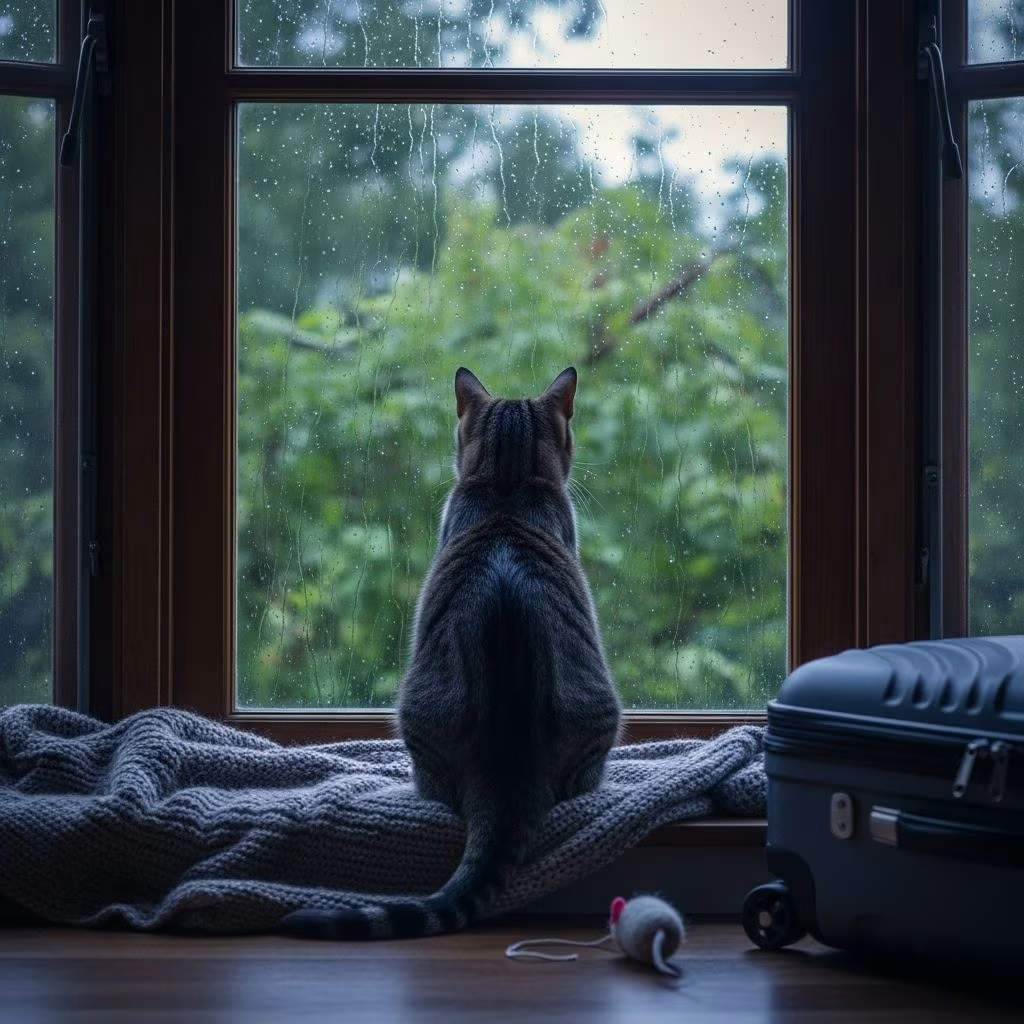
Cats are often seen as independent creatures, but many form deep bonds with their owners and can experience distress when left alone for extended periods like vacations. While not all cats suffer from loneliness, those with strong attachments may show signs of separation anxiety, especially single indoor cats unused to solitude.
Understanding this helps pet parents make informed choices for care during absences, preventing behavioral issues and promoting feline well-being. This article covers signs of loneliness, at-risk cats, solutions, and FAQs based on veterinary and behavioral research.
Do Cats Experience Loneliness or Separation Anxiety?
Yes, cats can feel stressed, agitated, or exhibit depression-like symptoms when separated from their primary caregiver, a condition known as separation anxiety. Unlike dogs, cats are more solitary by nature, but sudden routine changes—such as an owner returning to work or going on vacation—can trigger frustration or anxiety.
Single indoor-housed cats are particularly vulnerable, appearing unusually sensitive to their environment and overly attached to owners. They may not ‘miss’ humans in the human sense but become uncomfortable without familiar presence, leading to acting out.
Signs Your Cat Might Be Lonely or Anxious
Recognizing separation anxiety early is key. Cats won’t vocalize their feelings directly, but behavioral changes when alone reveal distress. Use a home camera to monitor them during short absences.
- Excessive vocalization: Crying, moaning, or meowing loudly when left alone or upon return expresses distress.
- Inappropriate elimination: Urinating outside the litter box, often a hallmark of anxiety in home-alone cats.
- Refusal to eat or drink: Ignoring food during absences, even with consistent care; prolonged changes warrant vet attention.
- Destructive behavior: Scratching furniture, knocking items over, or chewing—uncharacteristic and tied to stress.
- Excessive grooming or vomiting: Over-grooming or vomiting with food/hair indicates unease.
- Restlessness or hiding: Pacing, inability to settle, or retreating to closets/beds.
- Overly exuberant greetings: Extreme excitement or clinginess when owner returns.
- Aggression: Hostility when sensing departure, signaling desire for more interaction.
These signs mimic ‘single cat syndrome,’ where solo cats without companions show excessive vocalization, aggression, or depression from lack of stimulation.
Which Cats Are Most Likely to Get Lonely?
Not every cat minds solitude, but certain profiles heighten risk during vacations:
- Strongly bonded cats: Those preferring human company over others.
- Affectionate breeds: Ragdoll, Siamese, Burmese crave companionship and struggle alone.
- Recently more time together: Cats accustomed to constant presence (e.g., work-from-home shifts) face sudden changes.
- History of abandonment: Past trauma increases anxiety vulnerability.
- Single indoor cats: No companions mean reliance on one person; lack of experience alone amplifies issues.
- Inexperienced with solitude: Never left with sitters or boarded before.
- Active/playful types: Boredom leads to loneliness without stimulation.
| Risk Factor | Examples | Why It Matters |
|---|---|---|
| Indoor Solo Living | No other pets/humans | Limited social/enrichment sources |
| Breeds | Siamese, Ragdoll | High human attachment |
| Routine Change | Post-vacation work return | Triggers frustration |
| Past Trauma | Abandonment | Heightens fear response |
How to Tell If Your Cat Has Separation Anxiety
Observe patterns: Do issues occur only during absences? Video monitoring confirms behaviors like restlessness or litter avoidance. Differentiate from medical issues—consult vets for appetite loss or elimination changes.
Clinginess (constant following) or pre-departure agitation points to anxiety. Lonely cats may hide more, startle easily, or scratch excessively.
What to Do If Your Cat Gets Lonely on Vacation
Proactive steps minimize stress. Gradually build tolerance and provide security.
1. Gradual Desensitization
Start with short absences (5-10 minutes), rewarding calm returns with treats/affection. Extend time slowly to build confidence.
2. Enrichment and Routine
Interactive toys, puzzle feeders, and scheduled play before/after absences tire them mentally/physically, reducing anxiety.
3. Comfort Items
Leave worn clothing/blankets with your scent for reassurance.
4. Professional Care
Hire trusted pet sitters for multiple daily visits or use cat boarding. Avoid first-time trials during long trips.
5. Consider a Companion
A well-matched second cat or dog provides ongoing company, alleviating long-term loneliness.
6. Environmental Enhancements
Window perches, climbing trees, and background noise (TV/radio) simulate presence.
7. Vet Consultation
Severe cases may need anti-anxiety meds or behaviorists.
- Daily play sessions
- Scented bedding
- Automatic feeders/toys
- Companion pet introduction
- Professional sitting/boarding
FAQs
Q: Do cats get depressed when left alone on vacation?
A: Yes, some show stress or depression-like symptoms, especially bonded indoor cats unused to solitude.
Q: How long can I safely leave my cat alone?
A: 24-48 hours max with setups; longer needs sitters. Monitor for anxiety signs.
Q: Can another cat help my lonely one?
A: Often yes, for social breeds, but match personalities carefully.
Q: What if my cat stops eating while I’m away?
A: Serious red flag—arrange checks or vet eval; could indicate anxiety or illness.
Q: Are certain breeds more prone to separation anxiety?
A: Yes, Siamese, Ragdoll, Burmese due to affectionate natures.
Conclusion: Keep Your Cat Happy Away
With preparation, most cats handle vacations well. Prioritize gradual training, enrichment, and care to prevent loneliness.
References
- Separation Anxiety – Indoor Pet Initiative — The Ohio State University. Accessed 2026. https://indoorpet.osu.edu/cats/problem-solving/separation-anxiety
- Separation Anxiety in Cats – 7 Signs & 9 Ways to Help — Sploot Vets. Accessed 2026. https://www.splootvets.com/post/separation-anxiety-in-cats-signs-symptoms-ways-to-help
- Cats and separation anxiety — Cats Protection. Accessed 2026. https://www.cats.org.uk/cats-blog/does-my-cat-have-separation-anxiety
- Vet Talks: Cats, Loneliness and Separation Anxiety — YouTube (Veterinary source). Accessed 2026. https://www.youtube.com/watch?v=Mexn3KyWhzU
- 5 Signs Your Single Cat Is Lonely — Whisker. Accessed 2026. https://www.whisker.com/blog/5-signs-your-single-cat-is-lonely
- Helping Your Cat with Being Left Alone & Separation Anxiety — Arm & Hammer. Accessed 2026. https://www.armandhammer.com/en/articles/tips-leaving-cat-alone-separation-anxiety



