

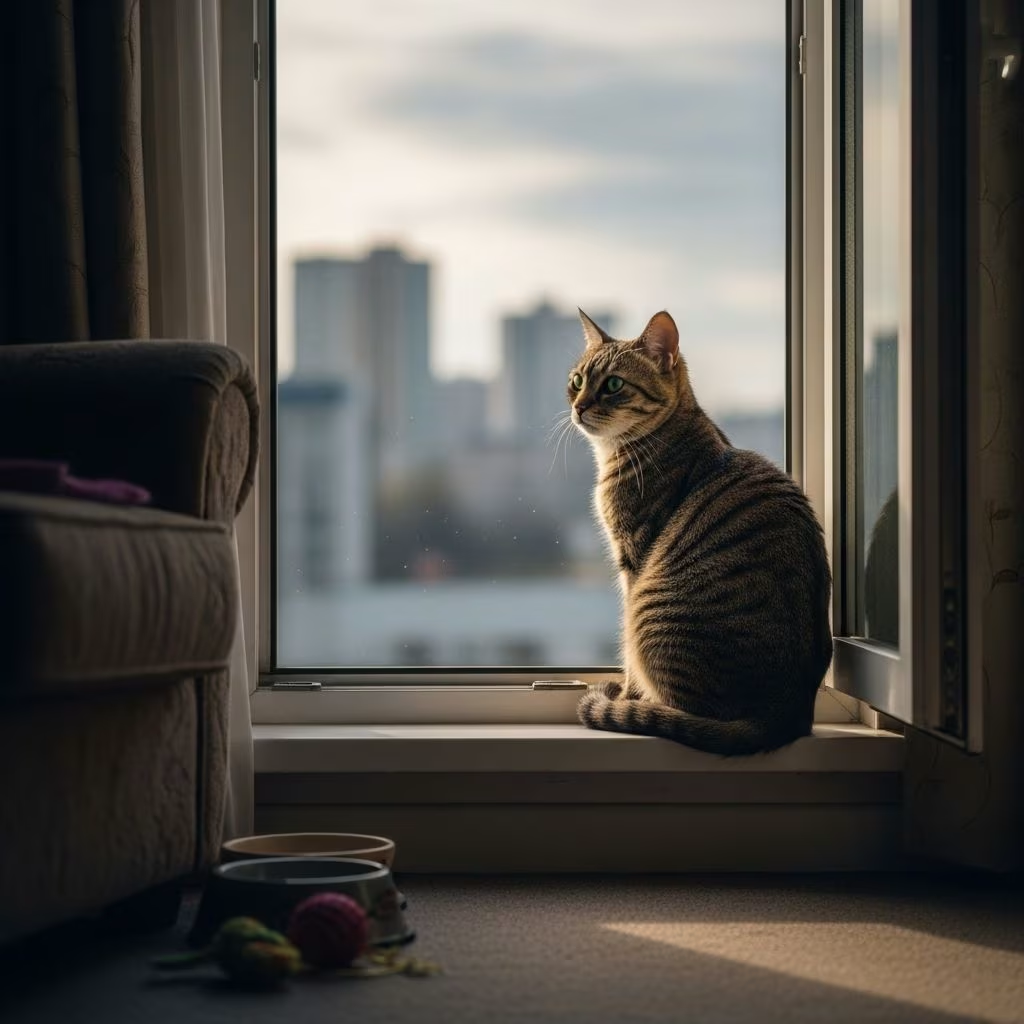
Do Cats Get Lonely If Left Home Alone All Day?
There is a common misconception that cats are independent creatures who thrive when left alone for extended periods. However, the reality is far more nuanced. Many cat owners assume their feline companions are content spending entire days in solitude, but this couldn’t be further from the truth. Pet cats require stimuli and interaction to maintain their physical and emotional well-being. It is not uncommon for cats to develop behavior challenges because they are left alone without companionship. Understanding whether cats experience loneliness is crucial for responsible pet ownership and ensuring your cat lives a fulfilling life.
The Truth About Cat Companionship Needs
Cats are often misunderstood as solitary, aloof creatures that prefer independence over human interaction. This stereotype has led many cat owners to believe their pets are content spending entire workdays alone. However, domesticated cats have evolved significantly from their wild ancestors. While their ancestors were indeed solitary hunters, modern house cats have developed a genuine need for companionship and social interaction. Cats form meaningful bonds with their human caregivers and other animals in their environment, making regular interaction essential for their mental and emotional health.
Research has demonstrated that cats are capable of deep emotional connections with their owners. They don’t simply tolerate human presence; they actively seek it out and derive comfort from it. The bond a cat forms with their owner can be as meaningful as the relationships they might have had with littermates in the wild. This fundamental need for connection means that leaving your cat alone all day without any stimulation or interaction can have serious consequences for their well-being.
How Cats Perceive Time and Routine
One important aspect of understanding cat loneliness is recognizing how cats experience time differently than humans. While it’s true that cats don’t wear watches or read clocks, they possess their own internal time-keeping mechanisms. Cats develop sophisticated internal clocks and maintain their own cat-concept of time, which allows them to anticipate regular events in their daily lives. This means your cat knows exactly when you typically wake up, when breakfast should be served, when dinner arrives, when the litter box gets cleaned, and when playtime occurs.
Consistency is exceptionally important to cats because it helps them feel secure and in control of their environment. Cats measure time through the predictable occurrence of daily activities and routines. When these routines are disrupted—such as when you suddenly work longer hours or skip regular play sessions—your cat experiences stress and anxiety. They begin to wonder if you’re ever coming home, and this uncertainty can trigger lonely and anxious behaviors. The longer your cat goes without the expected interaction and routine they’ve grown accustomed to, the more distressed they become.
Signs Your Cat Is Lonely and Stressed
Cats communicate their emotional distress through behavioral changes and body language signals. Recognizing these signs is essential for identifying when your cat is struggling with loneliness. While behavioral variations exist depending on individual personality and history, most cats are quite vocal about their needs when they’re not being met.
Common indicators that your cat may be experiencing loneliness include:
- Excessive vocalization – More frequent meowing or crying than usual, often signaling a desire for attention or expressing distress
- Destructive behavior – Scratching furniture, knocking items off counters, or tearing up household items due to boredom and frustration
- Changes in appetite – Eating significantly more or less than normal, which can indicate emotional distress
- Litter box issues – Avoiding the litter box, urinating outside it, or displaying other bathroom-related behavioral changes
- Excessive or minimal self-grooming – Over-grooming can lead to bald patches, while under-grooming results in a unkempt coat
- Lethargy and decreased activity – Showing little interest in play, toys, or activities they normally enjoy
- Clinginess – Becoming unusually attached to you when you are home, following you from room to room
- Sleeping more than usual – Retreating to hidden spots and sleeping excessively, especially in dark or secluded areas
- Aggression or irritability – Displaying uncharacteristic aggressive behavior toward people or objects
It’s important to note that these behavioral changes can also indicate underlying health problems. If you notice any of these signs persisting in your cat, consult your veterinarian to rule out medical issues before assuming the behavior is solely due to loneliness.
How Long Can You Leave Your Cat Alone?
The duration you can safely leave your cat alone depends largely on their age and individual needs. Adult cats generally can be left alone for a maximum of 24 hours, though this doesn’t mean it’s ideal. For cats to remain healthy and content, regular interaction and care are necessary. If you must leave your cat alone for extended periods, it’s crucial to arrange for someone to check in on them, whether that’s a neighbor, friend, family member, or professional cat sitter.
Young kittens have very different needs than adult cats. Kittens under six months of age should only be left alone for four to six-hour periods maximum. They require frequent feeding, bathroom breaks, and significant mental stimulation and playtime. Leaving kittens alone for extended periods can cause them to become stressed, anxious, and potentially engage in dangerous behaviors. Their developing brains need regular interaction and enrichment to develop properly.
Creating an Enriched Environment
One of the most effective ways to combat feline loneliness is to create an engaging and stimulating home environment. Providing your cat with things to do while you’re away can significantly reduce boredom and stress. Consider incorporating the following elements into your cat’s living space:
- Scratching posts and pads – Essential for natural scratching behavior and territorial marking
- Elevated perches and cat shelves – Allow cats to observe their territory from high vantage points, which they naturally prefer
- Window perches – Enable cats to watch birds, squirrels, and outside activity for hours of entertainment
- Hiding spots and cat caves – Provide safe spaces where cats can retreat and feel secure
- Interactive and puzzle toys – Stimulate mental engagement and reward problem-solving behavior
- Puzzle feeders – Combine feeding time with mental stimulation and slow down eating
- Automated toys – Keep cats entertained even when you’re not home
- Vertical spaces – Cat trees and wall-mounted shelves provide exercise and exploration opportunities
Creating an enriched environment helps prevent boredom and provides mental stimulation that can help alleviate loneliness. The goal is to make your home an interesting and engaging space where your cat can remain mentally and physically active throughout the day.
The Importance of Routine and Consistency
Establishing and maintaining a consistent daily routine is one of the most powerful tools for keeping your cat emotionally stable and content. Cats thrive on predictability and knowing what to expect from their day. Regular interaction with their human and animal companions is an important part of cats’ worlds. When you maintain consistent schedules for feeding, play, grooming, and litter box cleaning, your cat feels secure knowing these important events will happen as expected.
Try to maintain the same wake-up time, feeding schedule, and playtime each day. If you know you’ll be away during certain hours, try to adjust your schedule so you can spend quality time with your cat before leaving and immediately upon returning home. This consistency helps your cat feel valued and secure, reducing anxiety about separation.
Outdoor Environments and Environmental Changes
It’s worth noting that cats can also become stressed when taken to unfamiliar environments. Depending on the cat and the circumstances, cats can become stressed when taken to different environments. If you’re considering boarding your cat or taking them to a different location, be aware that many cats do not adjust well to new situations. Cats do best going into different places when they are acclimated to changing environments as kittens. If possible, familiarize your cat with travel carriers, car rides, and new spaces gradually during their younger years to reduce stress during unavoidable changes.
Addressing Single-Cat Syndrome
Some cats, particularly those with affectionate temperaments or active personalities, may benefit from the companionship of another cat. Highly affectionate breeds like Siamese, Burmese, or Ragdoll cats may crave more human or feline companionship. Active and playful cats may become bored and lonely if they lack stimulation and interaction. If your cat displays signs of significant loneliness despite your best efforts, you might consider introducing a second cat, though this should be done gradually and carefully. Elderly or senior cats may become more reliant on routine and companionship as they age, making them particularly vulnerable to loneliness if they lose a longtime companion.
Quality Time and Interactive Play
When you are home with your cat, dedicate regular, interactive play sessions using toys they enjoy. Engage in activities that stimulate their mind and body, such as feather wands, laser pointers, toy mice, or balls. These interactive play sessions strengthen your bond and provide essential physical exercise that helps prevent obesity and behavioral problems. Aim for at least two to three play sessions per day, each lasting 10-15 minutes or longer depending on your cat’s interest and energy level.
Frequently Asked Questions
Q: Can cats really feel lonely like humans do?
A: Yes. Cats are capable of deep emotional connections and can experience loneliness, depression, and separation anxiety similar to humans. They form meaningful bonds with their owners and experience genuine distress when separated from them for extended periods.
Q: What’s the maximum time I can leave my adult cat alone?
A: Adult cats can generally be left alone for a maximum of 24 hours, though regular daily interaction is essential for their well-being. It’s best to arrange for someone to check on your cat if you’ll be gone longer than 8-10 hours.
Q: How can I tell if my cat is lonely versus having a health problem?
A: Behavioral changes can indicate either loneliness or health issues. If you notice persistent changes in appetite, litter box habits, grooming, or activity levels, consult your veterinarian to rule out medical problems first.
Q: Is it cruel to leave a cat alone all day while I work?
A: Leaving a cat alone all day every day without enrichment or interaction can lead to loneliness, boredom, and behavioral problems. Consider arranging for pet sitting, asking friends or family to visit, or providing automated entertainment and puzzle toys to keep your cat engaged.
Q: Would getting a second cat help my lonely cat?
A: For some cats, particularly social and affectionate breeds, a second cat can provide valuable companionship. However, not all cats enjoy having roommates. Introduce any new cat gradually and monitor their interactions carefully to ensure compatibility.
References
- How long can you live a cat alone — Nomador. 2024. https://www.nomador.com/blog/pets/how-long-can-you-leave-a-cat-alone
- Do Cats Get Lonely If Left Home Alone All Day? — Chewy Education. 2024. https://www.chewy.com/education/cat/pet-parenting/do-cats-get-lonely-if-left-home-alone-all-day
- Do Cats Get Lonely? 7 Tips for a Happy Home-Alone Kitty — Four Paws. 2024. https://www.fourpaws.com/pets-101/family-matters/do-cats-get-lonely
- Is My Cat Lonely? 5 Signs Of Single Cat Syndrome — Whisker. 2024. https://www.whisker.com/blog/5-signs-your-single-cat-is-lonely
- Do Cats Get Lonely When You’re Gone? — PetMD. 2024. https://www.petmd.com/cat/general-health/do-cats-get-lonely
- How Long Can You Leave a Cat or Kitten Alone? — Purina UK. 2024. https://www.purina.co.uk/articles/cats/behaviour/travel/leave-cat-at-home



