

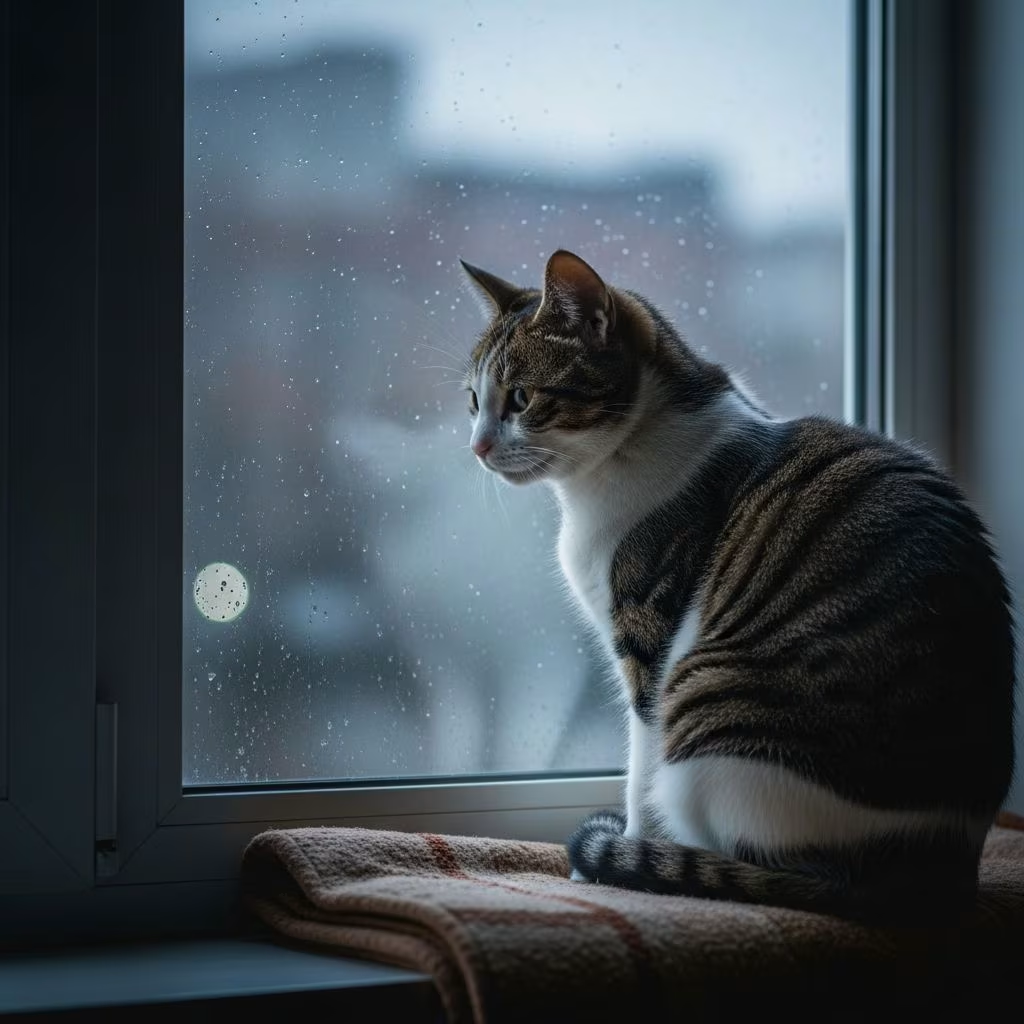
Cats are often perceived as independent creatures that thrive in solitude, but many cat owners wonder if their feline companions can truly experience loneliness. The answer is yes—cats can and do get lonely, particularly when left alone for extended periods or lacking social interaction. Veterinary experts note that while cats are solitary hunters by nature, they form strong bonds with humans and other animals, leading to emotional distress similar to separation anxiety in dogs when those bonds are disrupted.
This comprehensive guide, drawing from veterinary insights and behavioral studies, explores the science behind cat loneliness, identifies common signs, discusses risk factors, and provides practical solutions to ensure your cat remains emotionally healthy. Understanding these dynamics helps prevent behavioral issues and promotes a fulfilling life for your pet.
Signs Your Cat Is Lonely
Recognizing loneliness in cats requires observing subtle behavioral changes, as felines are adept at masking vulnerability—a survival instinct from their wild ancestors. Common indicators include shifts in daily routines, excessive vocalization, and attention-seeking behaviors. According to sources like Hill’s Pet Nutrition and PetMD, these signs often mimic depression or anxiety and warrant attention to rule out medical causes.
- Excessive Vocalization: Cats may meow excessively, howl, or cry, especially when alone or upon your return. This is a plea for attention, distinct from normal communication.
- Clinginess and Attention-Seeking: Lonely cats follow owners everywhere, rub against legs, or sprawl on keyboards, showing separation anxiety even when you’re home but distracted.
- Overgrooming or Excessive Grooming: Stress leads to compulsive licking, resulting in hair loss, bald patches, or increased hairballs. This can escalate to skin issues if unaddressed.
- Increased Sleeping or Lethargy: While cats sleep 12-16 hours daily, excessive napping, withdrawal, or disinterest in play signals boredom-induced blues.
- Destructive Behavior: Scratching furniture, knocking items over, or shredding items stems from boredom and frustration when unsupervised.
- Litter Box Issues: Urinating outside the box, particularly on bedding or clothes, marks distress. A National Library of Medicine study highlights this as a top sign of feline depression.
- Changes in Appetite or Hiding: Refusal to eat, trembling, or hiding indicates deeper anxiety.
If multiple signs appear, consult a vet to exclude health problems like hyperthyroidism or pain, which mimic loneliness. Webcam monitoring reveals hidden behaviors like pacing when you’re away.
Do Cats Get Lonely Without Another Cat?
Not all cats need feline companionship; many thrive as solo pets. However, single cats can develop ‘single cat syndrome,’ exhibiting loneliness if lacking stimulation. Highly social breeds like Siamese, Burmese, or Ragdolls crave interaction more than independent types like Persians. Formerly feral cats, accustomed to colony life, or seniors losing companions are especially vulnerable.
Research shows cats form attachments akin to infants with mothers, displaying distress when separated. While not pack animals, domesticated cats seek social bonds for comfort. Observing if your cat perks up with toys or play versus ignoring them helps gauge needs.
Causes of Loneliness in Cats
Several factors contribute to feline loneliness:
- Extended Absences: Owners working long hours leave cats isolated 8+ hours daily, triggering anxiety.
- Life Changes: Moving, new schedules, or loss of a companion disrupts routines.
- Lack of Enrichment: Boredom from insufficient play, toys, or vertical spaces leads to frustration.
- Personality Traits: Affectionate or young cats suffer more without interaction.
Cats hide emotions well, so subtle cues like reduced engagement during playtime signal issues.
How to Tell If Your Cat Is Lonely: A Quick Checklist
Use this table to assess your cat’s behavior:
| Sign | Normal Behavior | Lonely Indicator |
|---|---|---|
| Vocalization | Occasional meows | Constant howling/crying |
| Grooming | Regular licking | Bald spots/hairballs |
| Sleeping | 12-16 hrs/day | Excessive lethargy |
| Litter Use | Consistent | Accidents outside box |
| Interaction | Plays independently | Clingy/destructive |
Track changes over a week; persistent issues need professional evaluation.
What to Do If Your Cat Is Lonely
Addressing loneliness involves enrichment and routine:
- Interactive Play: Dedicate 15-30 minutes twice daily to toys like feather wands for hunting simulation.
- Enrichment Toys: Puzzle feeders, treat balls, and catnip toys combat boredom.
- Vertical Space: Cat trees, shelves provide territory and observation points.
- Comfort Products: Pheromone diffusers like Feliway reduce anxiety.
- Scheduled Routines: Consistent feeding/play times build security.
For severe cases, consider a companion cat after compatibility checks, but many solo cats flourish with human effort. Automatic feeders and litter boxes help, but pale against interaction.
Preventing Loneliness in Cats
Proactive steps keep cats content:
- Gradual alone-time training with positive reinforcement.
- Multiple resources (boxes, beds) reduce stress.
- Socialization from kittenhood builds resilience.
- Regular vet check-ups monitor emotional health.
Senior cats benefit from soft routines; active breeds need vigorous stimulation.
Frequently Asked Questions (FAQs)
Do cats get lonely when left alone all day?
Yes, prolonged isolation (8+ hours) can cause loneliness, shown by vocalizing or destructiveness. Enrichment mitigates this.
Is my cat lonely if it sleeps a lot?
Excessive sleeping beyond normal patterns, paired with withdrawal, indicates possible loneliness or boredom.
Should I get a second cat for my lonely cat?
Not always; assess personality first. Many prefer human interaction over another cat.
How long can cats be left alone?
24-48 hours max with setups; daily check-ins ideal for emotional health.
Can indoor cats get lonely?
Absolutely; lack of outdoor stimulation heightens reliance on owners.
References
- How to Tell If Your Cat Is Lonely — Hill’s Pet Nutrition. 2023. https://www.hillspet.com/cat-care/behavior-appearance/how-to-tell-if-your-cat-is-lonely
- 5 Signs Your Cat is Feeling Lonely — Dezi & Roo. 2023. https://deziroo.com/blogs/pawsitive-connections/5-signs-your-cat-is-feeling-lonely
- Is My Indoor Cat Lonely? A Kitty’s Point Of View! — FELIWAY USA. 2023. https://us.feliway.com/blogs/news/is-my-indoor-cat-lonely-a-kitty-s-point-of-view
- Do cats get lonely without another cat? — ManyPets. 2024-01-14. https://manypets.com/us/blog/do-cats-get-lonely/
- Is Your Cat Lonely? 7 Signs That Will Help You Find Out — Cats.com. 2023. https://cats.com/is-my-cat-lonely
- Is My Cat Lonely? 5 Signs Of Single Cat Syndrome — Whisker. 2023. https://www.whisker.com/blog/5-signs-your-single-cat-is-lonely
- Do Cats Get Lonely When You’re Gone? — PetMD. 2024. https://www.petmd.com/cat/general-health/do-cats-get-lonely



