

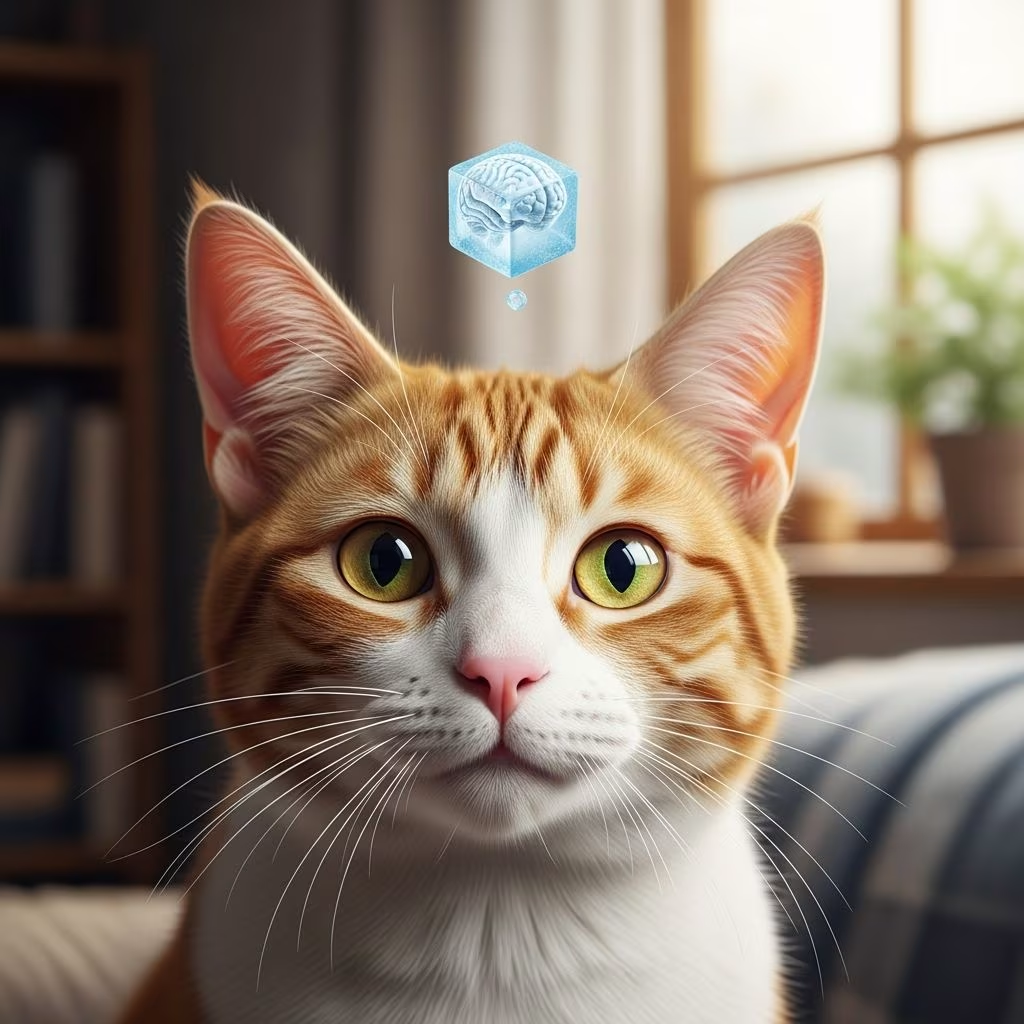
Cats may experience discomfort from cold foods similar to human brain freeze, though scientific confirmation is lacking due to their inability to communicate it directly. Their shared neuroanatomy with humans suggests a comparable reaction to rapid cold exposure in the mouth.
What Is Brain Freeze?
Brain freeze, scientifically known as **sphenopalatine ganglion neuralgia** or cold neuralgia, is a short-lived headache triggered by consuming very cold food or drinks. This occurs when cold substances contact the roof of the mouth or throat, causing blood vessels to constrict rapidly and then dilate to restore normal temperature. This vascular change activates pain-sensing nerves, referring pain to the head.
In humans, the sensation lasts seconds to minutes and is a common, harmless response. The trigeminal nerve plays a key role in transmitting these signals. Cats possess a similar trigeminal nerve structure, raising questions about whether they feel the same sharp pain when lapping up ice cream or frozen treats.
Can Cats Get Brain Freeze?
No direct scientific studies confirm brain freeze in cats, as they cannot verbalize the experience. However, experts infer it’s likely due to anatomical similarities between feline and human neuroanatomy. Cats’ smaller oral cavities and slower eating habits make rapid cold exposure less common than in humans, who gulp ice cream quickly.
- Cats instinctively avoid extreme cold, reducing risk.
- Their palate shape may prevent the intense cooling needed for full brain freeze.
- Some veterinarians note behavioral reactions resembling discomfort after cold treats.
While unlikely to suffer intense headaches, cats can feel oral sensitivity from cold, warranting caution with frozen items. Observing reactions helps tailor treats to your cat’s tolerance.
Signs Your Cat Might Be Experiencing Discomfort from Cold Foods
Even without confirmed brain freeze, cats show clear signs of cold-related distress. Prompt recognition prevents escalation and ensures comfort.
- Pawing at the mouth or face: Repeated rubbing indicates irritation from cold sensitivity.
- Head shaking: Sudden shakes post-cold treat suggest aversion to the sensation.
- Unusual vocalizations: Whining, meowing, or growling signals pain or surprise.
- Refusal of cold items: Dropping food or avoiding further bites shows dislike.
- Excessive drooling: May accompany oral discomfort or temperature shock.
If signs persist beyond a minute, consult a vet to rule out underlying issues. Cats hide pain well, so vigilance is key.
Why Do Cats React to Cold Foods? Another Possible Culprit: Dental Issues
Beyond potential brain freeze, cold sensitivity often stems from **dental disease**, prevalent in 70-90% of cats over age three. Unlike dogs, cats receive less routine dental care, leading to plaque buildup, gingivitis, and tooth resorption.
Cavities or inflamed gums amplify pain from cold, mimicking brain freeze symptoms. Hot or hard foods provoke similar reactions. Common culprits include:
- Periodontal disease: Bacterial infection eroding gums and bone.
- Tooth resorption: Feline-specific cavities dissolving enamel.
- Stomatitis: Severe inflammation causing chronic oral pain.
Regular brushing with cat-safe toothpaste, dental diets, and vet cleanings mitigate risks. If your cat reacts strongly to cold, schedule a dental exam.
How to Safely Give Your Cat Cold Treats
Many cats love icy textures from curiosity or cooling relief in summer. Offer safely to avoid discomfort or hazards.
- Use small ice cubes or shaved ice; supervise to prevent choking.
- Mix with wet food or broth for gradual cooling.
- Opt for cat-safe frozen treats like tuna ice cubes or commercial feline ice cream.
- Avoid human ice cream: high sugar, fat, and dairy cause digestive upset.
Introduce slowly, watching for rejection. Moderation prevents obesity and dental stress.
| Treat Type | Safe for Cats? | Tips |
|---|---|---|
| Ice Cubes (Plain Water) | Yes | Small pieces; no additives. |
| Commercial Cat Ice Cream | Yes | Dairy-free, low-calorie options. |
| Human Ice Cream | No | Lactose intolerance risk. |
| Frozen Broth Cubes | Yes | Low-sodium chicken/tuna broth. |
When to See a Vet for Cold Sensitivity or Related Issues
Occasional reactions are normal, but persistent signs merit professional evaluation. Differentiate brain freeze-like discomfort from serious conditions.
- Seek immediate care for seizures, drooling, or lethargy post-cold exposure.
- Annual dental checks catch issues early.
- Neurological symptoms like circling or blindness warrant urgent attention.
Vets may recommend X-rays, bloodwork, or cleanings. Early intervention prevents chronic pain.
Frequently Asked Questions (FAQs)
Can cats eat ice cubes safely?
Yes, small plain ice cubes are safe for most cats. Supervise to avoid choking and limit to prevent cold shock.
What causes brain freeze in humans?
Cold stimuli on the palate cause blood vessel dilation, activating the trigeminal nerve for referred head pain.
Do cats feel pain from cold temperatures?
Cats sense oral cold discomfort, potentially like mild brain freeze, but often amplified by dental problems.
How can I tell if my cat dislikes cold treats?
Watch for pawing, head shaking, vocalizing, or refusal—these indicate aversion or pain.
Is ice cream bad for cats?
Human ice cream is; it contains lactose and sugar causing diarrhea. Choose cat-specific alternatives.
Can cold treats cause seizures in cats?
Rarely; seizures link more to toxins, epilepsy, or metabolic issues, but extreme cold shock could mimic early signs.
References
- Do Cats Get Brain Freeze? Vet-Reviewed Facts & FAQ — Catster. 2023-10-15. https://www.catster.com/cat-health-care/do-cats-get-brain-freeze/
- Can Cats Get Brain Freeze? What You Should Know — Zoorithm. 2024-05-20. https://www.zoorithm.com/cats/can-cats-get-brain-freeze
- Can a Cat Get Brain Freeze? Facts & FAQ — Hepper Pet Resources. 2024-02-12. https://articles.hepper.com/can-cat-get-brain-freeze/
- Seizures in Cats — PetMD. 2025-01-10. https://www.petmd.com/cat/symptoms/seizures-cats
- Nervous System Disorders and Effects of Injuries in Cats — Merck Veterinary Manual. 2024-11-05. https://www.merckvetmanual.com/cat-owners/brain-spinal-cord-and-nerve-disorders-of-cats/nervous-system-disorders-and-effects-of-injuries-in-cats



