

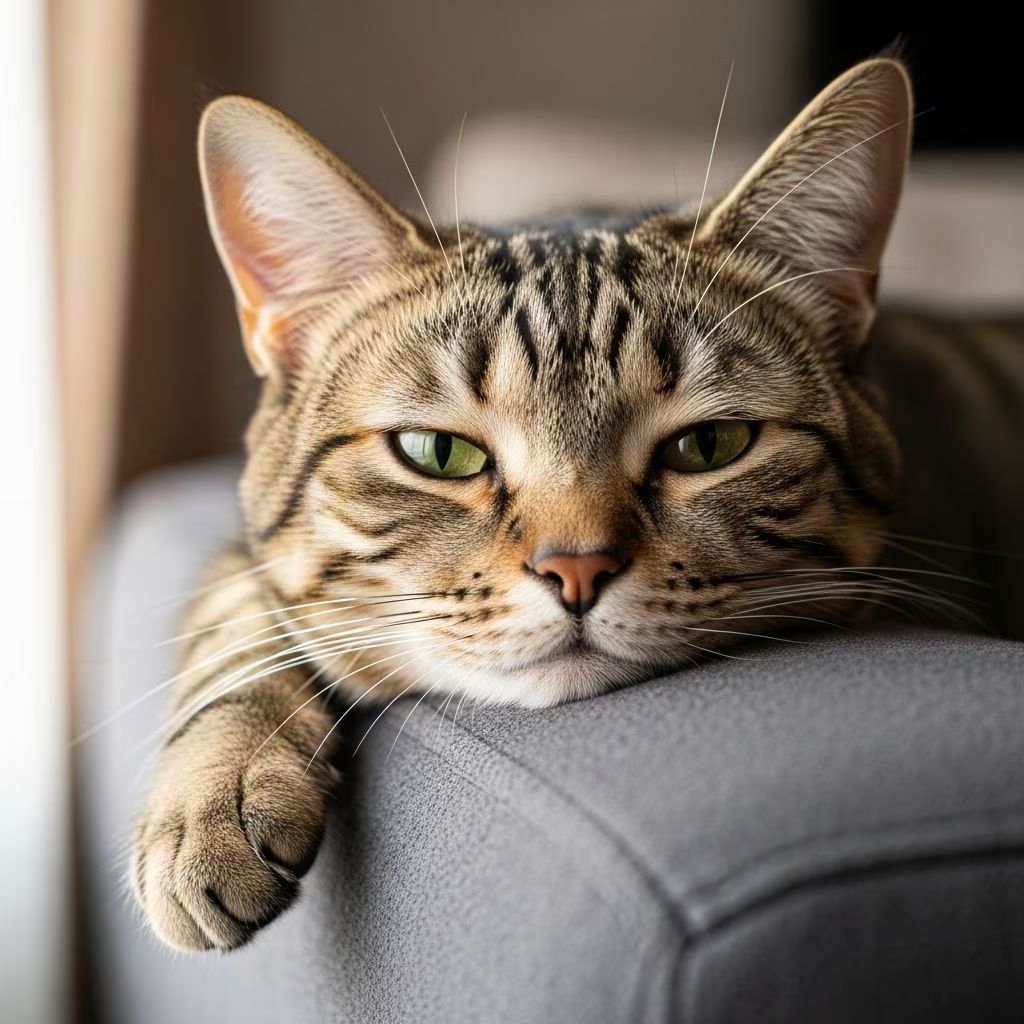
Do Cats Get Bored?
Yes, cats absolutely can get bored. Unlike the common misconception that cats are independent creatures content to lounge around all day, most healthy cats are naturally playful and wired to hunt and explore. When cats lack sufficient mental and physical stimulation, they can become understimulated, leading to a range of behavioral and emotional problems. Understanding cat boredom is essential for any cat owner who wants to maintain their feline friend’s happiness and wellbeing.
Cat boredom isn’t simply a matter of a grumpy pet—it can significantly impact your cat’s quality of life. Bored cats may develop destructive habits, show signs of stress, or experience changes in their eating and sleeping patterns. The good news is that boredom can be prevented and addressed with proper enrichment, playtime, and environmental stimulation.
How to Tell If Your Cat Is Bored
Recognizing the signs of boredom in your cat is the first step toward addressing the problem. According to feline behavior experts, there are several clear indicators that your cat may need more stimulation.
Repetitive Behaviors
When cats lack stimulation, they may show signs of distress through various repetitive behaviors. These can include:
- Abnormal meowing or excessive vocalization
- Pacing back and forth
- Excessive grooming that sometimes leads to bald patches
- Tail-chasing
- Inability to settle down or relax
These repetitive behaviors are your cat’s way of expressing their frustration and need for engagement. If you notice your cat engaging in these activities more frequently than usual, it’s a sign they need more mental and physical activity.
Destructive Behavior
One of the most obvious signs of a bored cat is destructive behavior. Bored cats may engage in activities such as scratching furniture, shredding curtains, or chewing on household items. While scratching is a natural behavior for cats, excessive destructive behavior—especially when directed at furniture and furnishings—is often a cry for attention and stimulation.
Increased Reactivity
Bored cats may become more reactive to their environment, showing heightened responses to stimuli that wouldn’t normally bother them. This increased reactivity can manifest as aggression toward other pets or overly enthusiastic pouncing on their owners.
Low Energy and Excessive Sleeping
While it’s normal for cats to sleep extensively—some cats sleep up to 12 to 18 hours per day—excessive lethargy can be a sign of boredom. If your cat is sleeping significantly more than their normal baseline, they may simply have nothing else to do due to limited opportunities for play or exploration.
Unusual Bathroom Habits
Stress and boredom can lead to unusual bathroom habits in cats. A stressed or bored cat is more likely to develop behaviors like house soiling or inappropriate elimination. Additionally, stress can cause inflammation that leads to urinary problems, including feline lower urinary tract disease (cystitis).
Attention-Seeking Behavior
Bored cats often resort to attention-seeking behaviors to get interaction with their owners. This might include:
- Pawing at you repeatedly
- Climbing on your lap incessantly
- Demanding constant petting
- Meowing excessively to get your attention
- Getting in your way
These behaviors are your cat’s way of communicating that they need stimulation and interaction from their human companions.
Changes in Appetite
Boredom can affect a cat’s eating habits in different ways. Some cats may overeat as a way to combat boredom and pass the time, while others may lose interest in food altogether. Weight gain in a cat that wasn’t previously overweight could be a sign of boredom-related overeating.
Why Is My Cat Bored?
Understanding the causes of cat boredom is essential for addressing the issue effectively. If your cat is acting out, zoning out, or giving you those “entertain me” eyes, they likely need more mental or physical activity—or both.
Lack of Enrichment or Exercise
The primary cause of cat boredom is insufficient enrichment and exercise. Most healthy cats are playful by nature and are biologically wired to hunt and explore. Without outlets for these natural instincts, cats become bored and may develop behavioral problems.
Insufficient Playtime
Play is crucial for cats because it mimics their natural hunting behavior. When cats lack adequate playtime or don’t have access to appropriate toys, they miss out on opportunities to fulfill their natural instincts, leading directly to boredom.
Lack of Social Interaction
Contrary to popular belief, cats are social animals that crave companionship. If they spend long periods alone without interaction with their owners or other pets, they can experience boredom and potentially develop behavioral problems. Quality time with you is often just as valuable as having a feline sibling, especially for calm, social cats.
Lack of Vertical Space
Cats are natural climbers and enjoy perching in high places, such as windows and cat trees. Without access to vertical spaces where they can climb, explore, and observe their surroundings, cats may become frustrated and bored.
Limited Environmental Variety
Cats need variety in their environment to stay mentally stimulated. A monotonous living space with few objects to explore or interact with can quickly lead to boredom.
Distinguishing Boredom from Other Issues
It’s important to note that not all behavioral changes indicate boredom. Some signs that appear to be boredom-related could actually indicate medical issues or other concerns. For example, decreased activity is a red flag for both poorly enriched cats and those who are sick. Cats are notoriously good at hiding signs of illness and discomfort, which is why a thorough evaluation by a veterinarian is so important if you notice unexplained behavioral changes.
When to See a Vet
If your cat seems off, don’t automatically assume it’s boredom. Any unexplained change in behavior warrants a medical exam, including:
- Reduced play activity
- Changes in sleep patterns
- Increased vocalization
- Increased hiding
- Changes in eating or bathroom habits
Your veterinarian can help rule out medical conditions and confirm whether boredom is the actual issue.
How to Combat Cat Boredom
The good news is that cat boredom can be effectively prevented and addressed through proper enrichment and stimulation. A stimulating environment and interactive play can go a long way in enriching your cat’s life and strengthening your bond.
Increase Interactive Playtime
Regular interactive play sessions are essential for keeping your cat mentally and physically engaged. Use toys that mimic prey animals, such as feather wands, laser pointers (used carefully), and balls. Aim for multiple short play sessions throughout the day to maintain your cat’s interest and energy levels.
Provide Environmental Enrichment
Create a stimulating environment by providing:
- Cat trees and climbing structures for vertical exploration
- Window perches for bird watching
- Puzzle feeders and treat-dispensing toys
- Scratching posts and pads
- Hiding spots and enclosed spaces
- Toys that rotate regularly to maintain novelty
Use Puzzle Feeders
Puzzle feeders combine feeding with mental stimulation, encouraging your cat to work for their food. This provides both physical and mental engagement while slowing down eating and potentially helping with weight management.
Consider a Feline Companion
While not all cats benefit from a feline sibling, some cats do enjoy having a companion. Calm, social cats are most likely to benefit from a buddy, though there’s no guarantee. Quality time with you is often just as valuable as having another cat in the house.
Rotate Toys Regularly
Prevent toy fatigue by rotating your cat’s toys regularly. Putting toys away for a few weeks and then reintroducing them makes them feel novel and interesting again.
Frequently Asked Questions
Q: Is my cat hungry or bored?
A: If your cat has just eaten but continues to beg, they’re likely seeking stimulation, not food. Try engaging them with a toy or puzzle feeder instead of offering more treats.
Q: Are single cats bored?
A: Not necessarily. Some cats enjoy the company of a feline sibling, but many solo cats thrive when given proper enrichment. Quality time with you can often be just as valuable. Calm, social cats are most likely to benefit from a buddy, but there is still no guarantee.
Q: How many hours per day should I play with my cat?
A: While there’s no one-size-fits-all answer, most experts recommend multiple short play sessions throughout the day that total at least 20-30 minutes of active play. The exact amount depends on your cat’s age, energy level, and preferences.
Q: What are the best toys for a bored cat?
A: The best toys are those that mimic natural hunting behaviors, such as feather wands, balls, mice toys, and interactive puzzle toys. Rotating toys regularly helps maintain your cat’s interest.
Q: Can boredom cause aggression in cats?
A: Yes, boredom can lead to aggression or irritability in cats. When cats lack sufficient stimulation and enrichment, they may exhibit aggressive behaviors as an outlet for their pent-up energy and frustration.
Q: How do I know if my cat’s behavior is boredom or a medical issue?
A: If you notice any unexplained change in behavior, it’s best to consult with your veterinarian. They can rule out medical conditions and help determine if boredom is the underlying cause. Never assume behavioral changes are simply due to boredom without professional evaluation.
The Bottom Line
Cat boredom is a real and serious concern that can negatively affect your feline friend’s wellbeing and lead to undesirable behaviors. By recognizing the signs of boredom and implementing appropriate enrichment strategies, you can ensure your cat remains happy, healthy, and mentally stimulated. A combination of interactive play, environmental enrichment, and quality time with you will go a long way in preventing boredom and strengthening the bond you share with your cat. Remember, if you’re ever unsure whether your cat’s behavior is related to boredom or a medical issue, always consult with your veterinarian.
References
- Is Your Cat Bored? 7 Signs & What You Can Do — Bay Path Humane Society. https://baypathhumane.org/is-your-cat-bored-7-signs-what-you-can-do/
- Do Cats Get Bored? — Chewy. https://www.chewy.com/education/cat/training-and-behavior/do-cats-get-bored
- Is my cat bored? Blog – Cats Protection — Cats Protection. https://www.cats.org.uk/cats-blog/cat-boredom-busters
- Signs Your Cat is Bored and You Can Fix It! — Jackson Galaxy, YouTube. 2020-09-12. https://www.youtube.com/watch?v=pnF-34dviSI
- Is Your Cat Bored? 5 Signs to Look Out For — Jolly Pets. https://jollypets.com/blogs/blog/is-your-cat-bored-5-signs-to-look-out-for
- Is Your Cat Bored? Signs, Dangers, and Fun Solutions — Live Oak Veterinary Center. 2023-07-15. https://liveoakvet.com/2023/07/15/is-your-cat-bored/



